


Winemaker Notes
A field blend of Marsanne, Viognier and Muscat grown in Millton's vineyards. Picked by hand, fermented and aged on skins in their cellars and bottled on the property.
Professional Ratings
-
Wine Enthusiast
This wine is in a slightly hazy pineapple juice shade. Wild, pithy aromas are lifted and just a touch acetone: a dewy springtime meadow, citrus rind, truffles and butter. Acidity shrieks across the tongue, causing an involuntary sucking of the insides of the cheeks, followed by some skinsy tannins. It’s a wild wine but would find a home beside salty fish like sardines or creamy goat cheese.

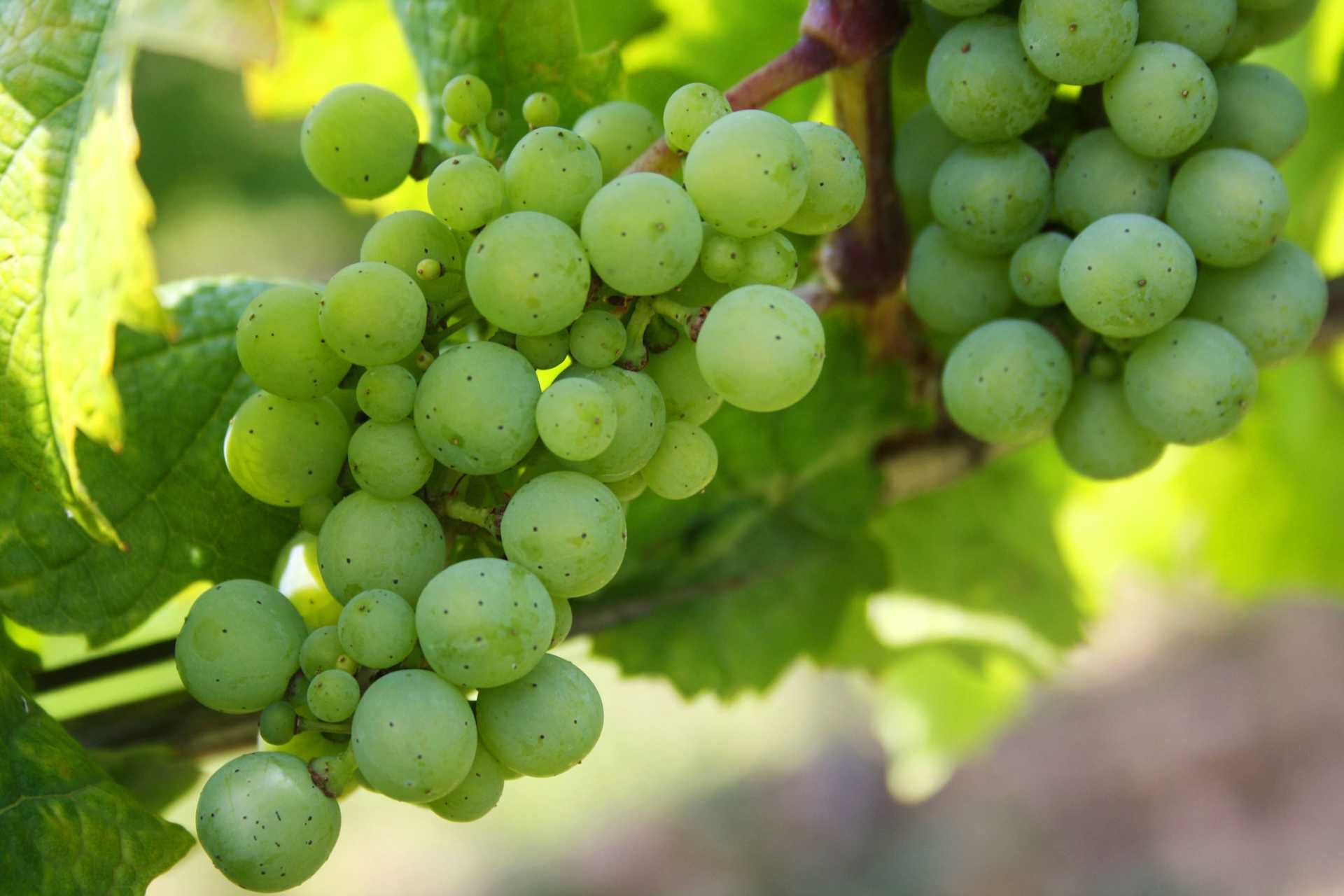
With hundreds of white grape varieties to choose from, winemakers have the freedom to create a virtually endless assortment of blended white wines. In many European regions, strict laws are in place determining the set of varieties that may be used in white wine blends, but in the New World, experimentation is permitted and encouraged. Blending can be utilized to enhance balance or create complexity, lending different layers of flavors and aromas. For example, a variety that creates a soft and full-bodied white wine blend, like Chardonnay, would do well combined with one that is more fragrant and naturally high in acidity. Sometimes small amounts of a particular variety are added to boost color or aromatics. Blending can take place before or after fermentation, with the latter, more popular option giving more control to the winemaker over the final qualities of the wine.

Occupying the North Island’s East Cape, Gisborne keeps The Bay of Plenty to its northwest and Hawkes Bay on its southwestern side. It is the country’s most distinctive producer of Chardonnay, with heavy investment here until Sauvignon blanc stole the country’s limelight. Gisborne produces soft and charming Chardonnay, boasting stone and tropical fruit flavors.
The region includes a good number of artisanal winemakers but many larger Auckland producers source from Gisborne for their own Chardonnay bottlings.