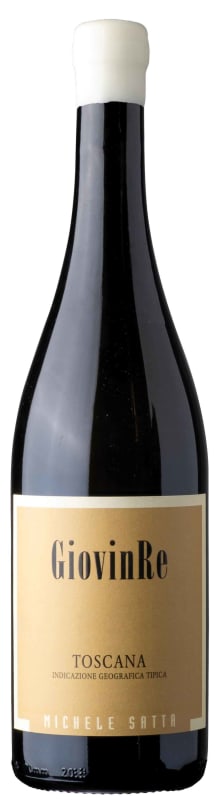


Winemaker Notes
Wine born from a sudden intuition (it was while tasting the grapes in harvest and finding its aromatic richness extraordinary that decided to vinify this Viognier in purity), the Giovin Re confirms its value year after year.
Professional Ratings
-
James Suckling
A pure viognier with a creamy texture and subtle apple and tropical fruit. Hints of stone and cement, almond and aniseed. Medium-bodied, subtle and thought-provoking. Complex. 50% made in amphora and the rest in cement and wood...
-
Jeb Dunnuck
Bright yellow/straw-colored, the 2023 GiovinRe is a blend of 60/40 and is fresh and pretty on the nose with aromas of white peach, white grapefruit, fresh flowers, and snappy, salty freshness. Medium-bodied, it has a delicate silky texture, with refreshing acidity that never veers into astringency. This beautiful blend is going to drink well over the next 6-8 or more years.
-
Wilfred Wong of Wine.com
The 2023 Michele Satta Giovin Re Toscana, crafted from 100% Viognier, shows a light straw hue with a subtle green tint. Aromas of fragrant blossoms, dried herbs, and delicate peach skin rise from the glass. On the palate, it is lively and precise, delivering flavors with a zesty, sprightly energy. A finish laced with peach skin makes it a perfect partner for Pollo al Limone, the trattoria favorite where lemon, white wine, and herbs enhance the dish’s rustic charm and mirror the wine’s brightness. (Tasted: August 4, 2025, San Francisco, CA)
-
Robert Parker's Wine Advocate
The Michele Satta 2023 Giovin Re is all Viognier from silty soils and high-density planting at 6,000 vines per hectare. The plants are 20 years old, and the wine ages in a combination of barrique, amphorae and concrete for six months. There is a sweet note on the bouquet with candied almond and apricot over a medium-bodied texture and some residual heaviness from the vintage.



In 1982 Michele started his own winery, one of the first in Bolgheri, withnewly acquired vines from his previous employer. In this famous region ofTuscany, Michele rapidly earned respect and became known quickly as a vigneron. Michele even worked as a consultant for other properties in the early 1990s, including Ornellaia at which time Michele planted many of their vineyards. Michele has always been the local expert on the great terroir of Bolgheri and this is why his wines have been so well regarded in Italy.
Michele is a father of six (an example of his traditional roots), a farmer and a winemaker. He is an uncomplicated, sincere and humble man with very clear priorities; family and vines. While he is a traditionalist, he is also a non-conformist. This deferential character, when combined with a deep dedication to perfection, balance in the vineyards and great attention to detail in the cellar, produces Bolgheri wines that communicate the amazing uniqueness of this man and his terroir. Walking with giants is no easy feat, unless you are Michele Satta.
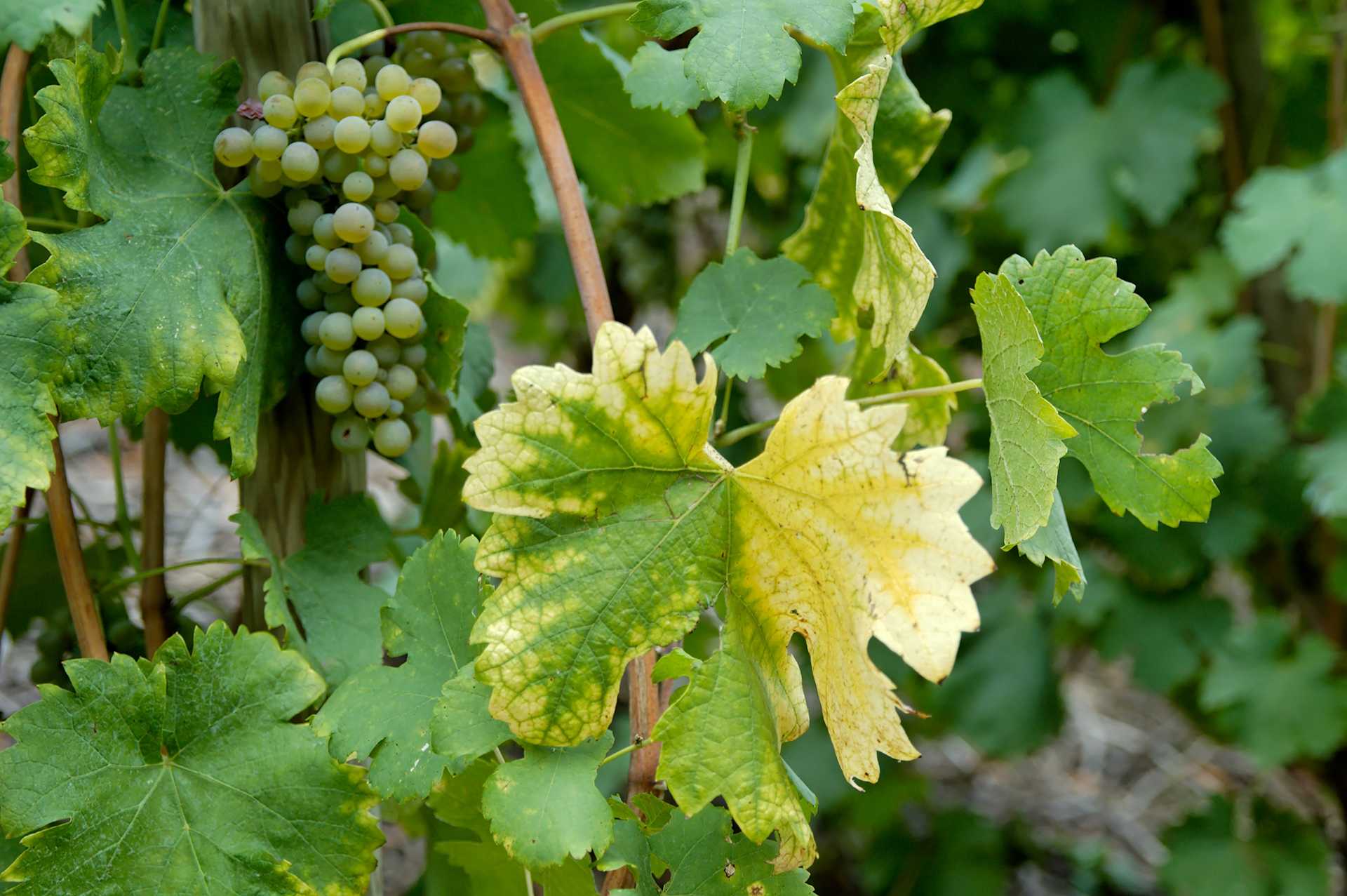
Full-figured and charmingly floral, Viognier is one of the most important white grapes of the northern Rhône where it is used both to produce single varietal wines and as an important blending grape. Look for great New World examples from California, Oregon, Washington and cooler parts of Australia. Somm Secret—Viognier plays a surprisingly important role in the red wines of Côte Rôtie in the northern Rhône. About 5% Viognier is typically co-fermented with the Syrah in order to stabilize the color, and as an added benefit, add a subtle perfume.

One of the most iconic Italian regions for wine, scenery and history, Tuscany is the world’s most important outpost for the Sangiovese grape. Tuscan wine ranges in style from fruity and simple to complex and age-worthy, Sangiovese makes up a significant percentage of plantings here, with the white Trebbiano Toscano coming in second.
Within Tuscany, many esteemed wines have their own respective sub-zones, including Chianti, Brunello di Montalcino and Vino Nobile di Montepulciano. The climate is Mediterranean and the topography consists mostly of picturesque rolling hills, scattered with vineyards.
Sangiovese at its simplest produces straightforward pizza-friendly Tuscan wines with bright and juicy red fruit, but at its best it shows remarkable complexity and ageability. Top-quality Sangiovese-based wines can be expressive of a range of characteristics such as sour cherry, balsamic, dried herbs, leather, fresh earth, dried flowers, anise and tobacco. Brunello, an exceptionally bold Tuscan wine, expresses well the particularities of vintage variations and is thus popular among collectors. Chianti is associated with tangy and food-friendly dry wines at various price points. A more recent phenomenon as of the 1970s is the “Super Tuscan”—a red wine made from international grape varieties like Cabernet Sauvignon, Merlot, Cabernet Franc and Syrah, with or without Sangiovese. These are common in Tuscany’s coastal regions like Bolgheri, Val di Cornia, Carmignano and the island of Elba.