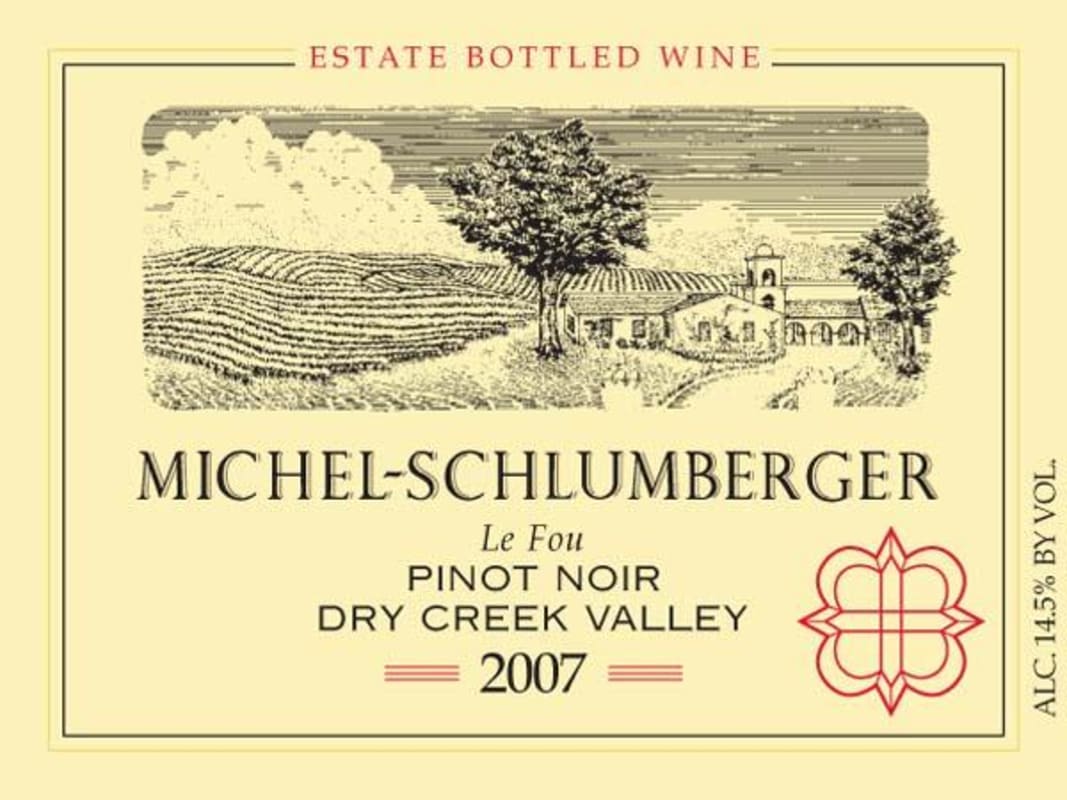

Winemaker Notes


Thin-skinned, finicky and temperamental, Pinot Noir is also one of the most rewarding grapes to grow and remains a labor of love for some of the greatest vignerons in Burgundy. Fairly adaptable but highly reflective of the environment in which it is grown, Pinot Noir prefers a cool climate and requires low yields to achieve high quality. Outside of France, outstanding examples come from in Oregon, California and throughout specific locations in wine-producing world. Somm Secret—André Tchelistcheff, California’s most influential post-Prohibition winemaker decidedly stayed away from the grape, claiming “God made Cabernet. The Devil made Pinot Noir.”

A multifaceted and highly reputable sub-region of Sonoma, Dry Creek Valley is responsible for a wide range of wine styles—both red and white. One of the smallest AVAs in California, Dry Creek Valley has a winning combination of ideal geography and climate. Fertile, well-drained soils create concentrated varietal character while long, warm days, bookended by cool nights, allow grapes to reach full phenolic ripeness and balance. The warm and welcoming appellation is home to a number of family-owned vineyards and wineries that place a strong emphasis on sustainable farming practices.
Zinfandel reigns supreme here and still produces in a great number of very old vineyards—often 100 years old or older. These old vines create a powerful, voluptuous and sultry wine unlike those of any other region. Sauvignon Blanc, the valley’s signature white grape, also performs exceptionally well. Many other varieties grow comfortably here, including Cabernet Sauvignon, Grenache and Syrah. Petite Sirah is often found in blends with Zinfandel.