


Winemaker Notes
Aromas of ripe cherries, red fruit and blood orange are intermingled with subtle notes of vanilla and butterscotch. The palate is supple and layered with vivid flavors of black cherry and raspberry. Silky and elegant, the balance of tannin, acidity and intense fruit truly captures the beauty of Pinot Noir.
Professional Ratings
-
Wine Enthusiast
This bottling from the Scheid family, one of the region's largest growers, shows aromas of baked red cherry in a vanilla pie crust as well as marjoram, bay leaf and cinnamon. The palate balances tart and ripe cranberry and pomegranate with both dried and fresh herbs.
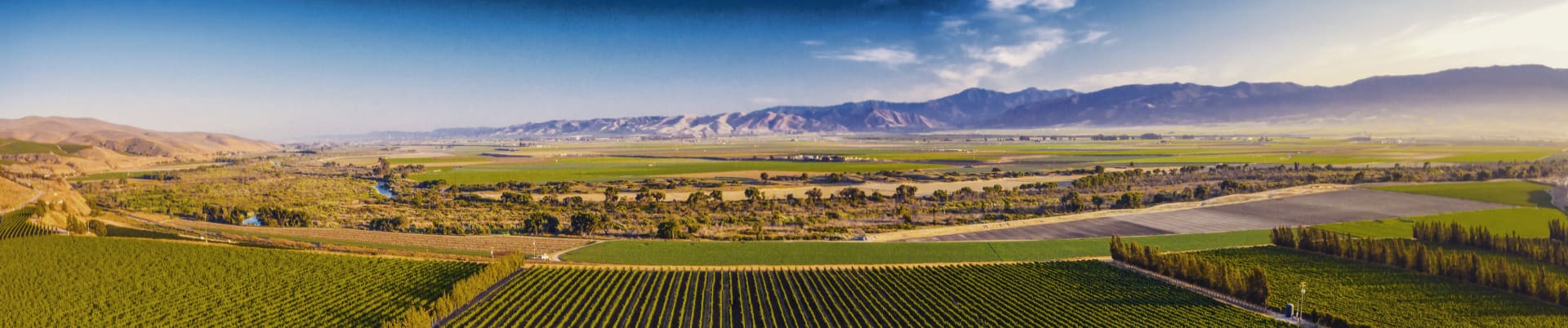



Metz Road specializes in small-lot, native yeast-fermented, single-vineyard Pinot Noir and Chardonnay from Riverview Vineyard. Set along an eastern benchland of the Salinas Valley, this cool-climate site owes its vinous personality to decomposed granite soils, morning fog and strong winds off Monterey Bay some 40 miles to the north. These unique conditions help distinguish the wines from their brethren in the Santa Lucia Highlands directly across the valley. Sustainable farming practices and innovative winemaking techniques including on-site fermentations with wild yeast, are utilized to preserve the intrinsic character and terroir of Riverview Vineyard.

Thin-skinned, finicky and temperamental, Pinot Noir is also one of the most rewarding grapes to grow and remains a labor of love for some of the greatest vignerons in Burgundy. Fairly adaptable but highly reflective of the environment in which it is grown, Pinot Noir prefers a cool climate and requires low yields to achieve high quality. Outside of France, outstanding examples come from in Oregon, California and throughout specific locations in wine-producing world. Somm Secret—André Tchelistcheff, California’s most influential post-Prohibition winemaker decidedly stayed away from the grape, claiming “God made Cabernet. The Devil made Pinot Noir.”

A geographic and climatic paradise for grape vines, Monterey is a part of the greater Central Coast AVA and contains within it five smaller sub-appellations, including Arroyo Seco, San Lucas, San Bernabe, Hames Valley and the famous Santa Lucia Highlands. The climate is relatively warm but tempered by cool, coastal winds, allowing the regions in Monterey County an exceptionally long growing season. Bud break often happens two weeks sooner and harvest tends to be two weeks later compared to other surrounding regions.
Monterey’s coastal side, where the cooling ocean fog allows grapes to develop a perfect sugar-acid balance, excels in the production of Chardonnay, Pinot Noir and Riesling. Warmer, inland subzones are home to fleshy, concentrated and full-bodied reds like Cabernet Sauvignon, Merlot and Zinfandel.
Chardonnay, covering about 40% of vineyard acreage, is the most widely planted grape in all of Monterey County.