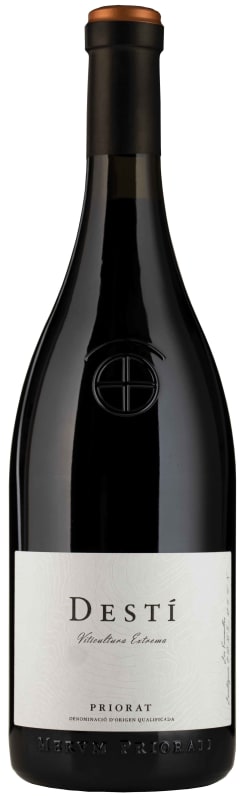


Winemaker Notes
#4 Wine Spectator Top 100 of 2021
Intense dark-cherry red in color with a garnet rim. Complex on the nose with aromatic notes of red fruit, especially raspberries and redcurrants, spicy tones and a backdrop of cassis. It gives a balsamic taste across the palate, with hints of sloe and pomegranate. Elegant and silky, it is well balanced with sweet, rounded tannins that lead to a smooth, lingering finish.
The perfect match for wood-fired roasted turbot with potato gratin, cured ham, also ideal for accompanying grilled red meats.
Blend: 60% Grenache, 30% Carignan, 10% Syrah
Professional Ratings
-
Wine Spectator
Refined and elegant, this concentrated red shows cherry, violet and anise notes, with expressive mineral undertones that give it finesse. Elements of mountain herb and spice echo through the finish. Grenache, Carignan and Syrah.
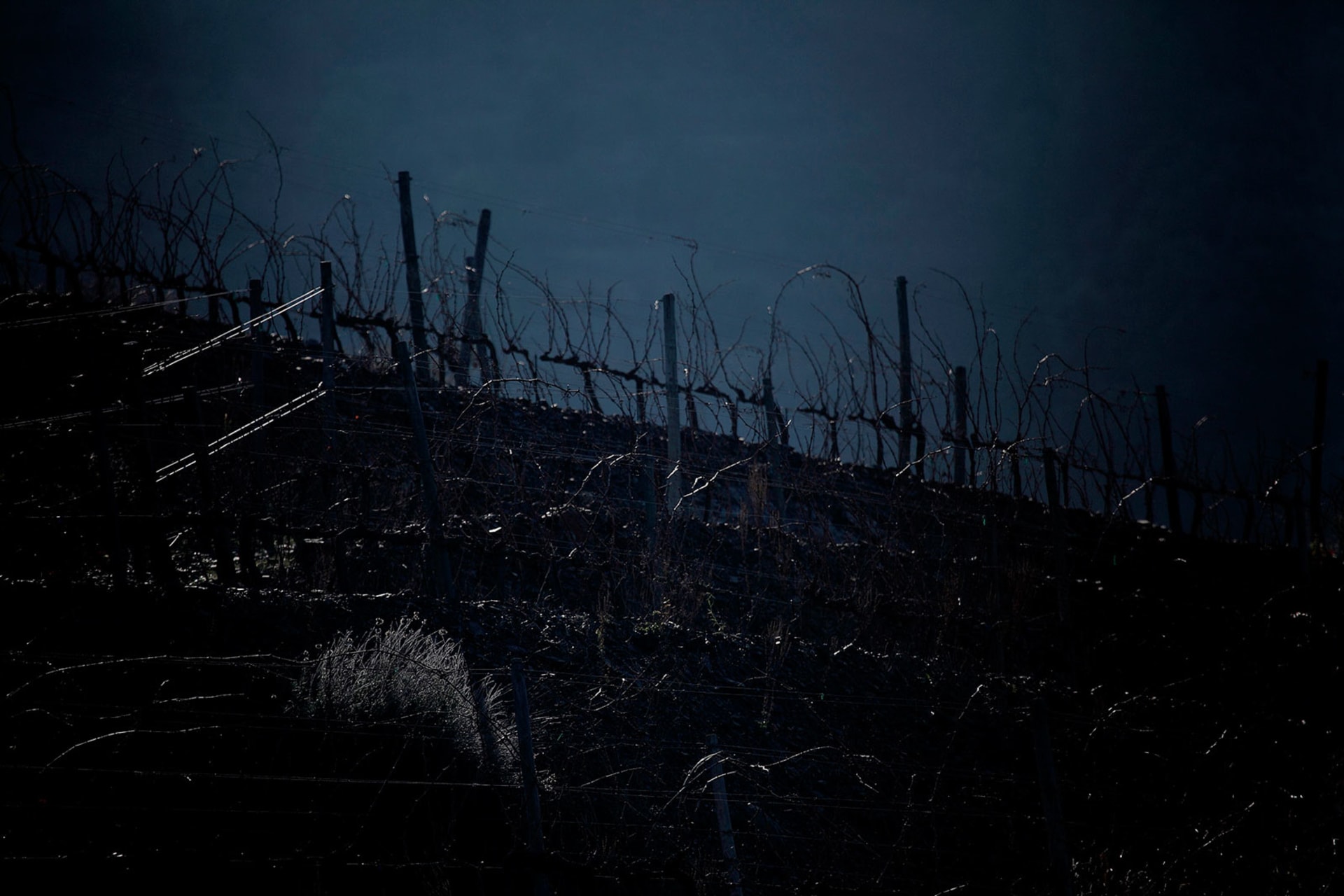


Merum Priorati is one of the most important wine estates in Priorat, founded in 2004 by two Catalan families, and located in the east of the appellation around the pretty village of Porrera. The three vineyard plots (Les Foreses, Plana Marjot and Les Escomelles) cover a total of 103 hectares, but just 29ha are given over to vines, as this is one of the wildest, most rugged terrains where few vines thrive and those that do produce less than 1 kg of grapes per vine (and as low as 250g per vine for the older Garnacha and Cariñena plants). Vineyards here are not measured in hectares, but by numbers of vines planted, due to extreme terracing and contours on these stunning mountainsides. There isn't what you'd call soil more just a carpet of broken black slate called Licorella. Five grape varieties still manage to thrive here on the estate: Garnacha, Cariñena, Syrah, Cabernet Sauvignon and Merlot. Impeccably made but not over polished, wines are truly hand-made: fermentation is in small, open top vats with long cuvasion, delivering wines which are intense and seriously complex against a backdrop of bright and vibrant modern fruit.

With bold fruit flavors and accents of sweet spice, Grenache, Syrah and Mourvèdre form the base of the classic Rhône Red Blend, while Carignan, Cinsault and Counoise often come in to play. Though they originated from France’s southern Rhône Valley, with some creative interpretation, Rhône blends have also become popular in other countries. Somm Secret—Putting their own local spin on the Rhône Red Blend, those from Priorat often include Merlot and Cabernet Sauvignon. In California, it is not uncommon to see Petite Sirah make an appearance.

Tiny and entirely composed of craggy, jagged and deeply terraced vineyards, Priorat is a Catalan wine-producing region that was virtually abandoned until the early 1990s. This Spanish wine's renaissance came with the arrival of one man, René Barbier, who recognized the region’s forgotten potential. He banded with five friends to create five “Clos” in the village of Gratallops. Their aim was to revive some of Priorat’s ancient Carignan vines, as well as plant new—mainly French—varieties. These winemakers were technically skilled, well-trained and locally inspired; not surprisingly their results were a far cry from the few rustic and overly fermented wines already produced.
This movement escalated Priorat’s popularity for a few reasons. Its new wines were modern and made with well-recognized varieties, namely old Carignan and Grenache blended with Syrah, Cabernet Sauvignon and Merlot. When the demand arrived, scarcity commanded higher prices and as the region discovered its new acclaim, investors came running from near and far. Within ten years, the area under vine practically doubled.
Priorat’s steep slopes of licorella (brown and black slate) and quartzite soils, protection from the cold winds of the Siera de Monstant and a lack of water, leading to incredibly low vine yields, all work together to make the region’s wines unique. While similar blends could and are produced elsewhere, the mineral essence and unprecedented concentration of a Priorat wine is unmistakable.