
Winemaker Notes
Professional Ratings
-
Robert Parker's Wine Advocate
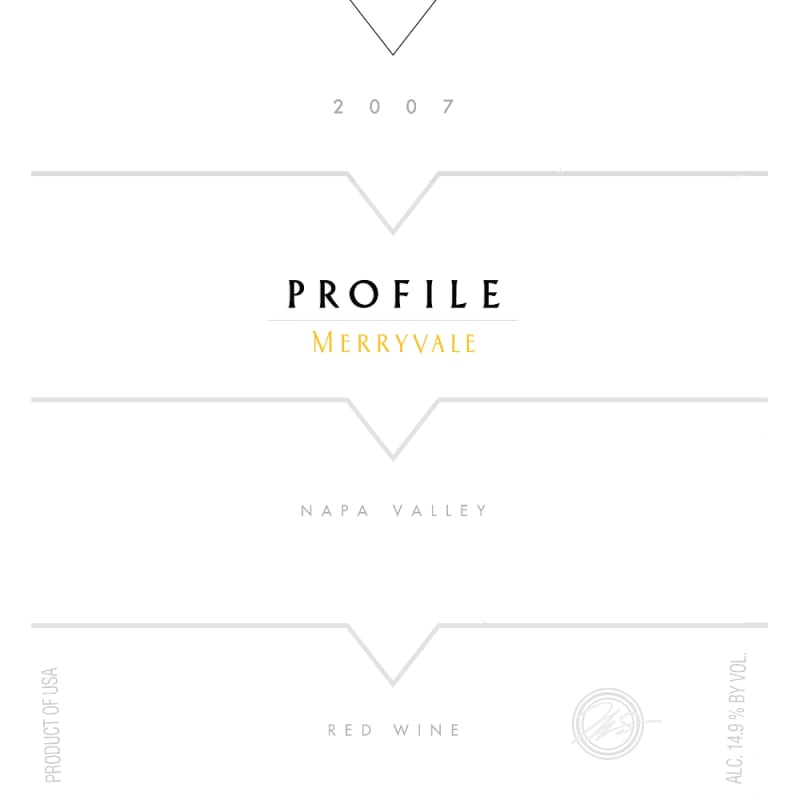
Another big-time winner, the 2007 Profile (60% Cabernet Sauvignon, 15% Merlot, 15% Cabernet Franc, 6% Petit Verdot, and 4% Malbec) may be the finest wine I have ever tasted from Merryvale. It exhibits an opaque purple color along with classic tobacco leaf, black currant, spicy oak, chocolate, licorice, and graphite characteristics, a big, full-bodied mouthfeel, and tremendous depth, persistence, and length. This proprietary red should continue to put on weight, and last for 15-20 or more years. Very impressive!
Rating: 94+ -
Wine Spectator
A classy wine that's firm, intense and complex, showing vivld, well-structured blackberry, wild berry and currant fruit, with touches of anise, loamy earth and black licorice. Ends with a lingering mix of berry, cedar and earth touches and tannins that give the flavors traction. Cabernet Sauvignon, Merlot, Cabernet Franc, Petit Verdot and Malbec. Best from 2011 through 2019. 2,500 cases made.
-
Wine Enthusiast
This Cabernet-based blend of all five Bordeaux varieties is the most inaccessible of Merryvale's '07 portfolio, and it consequently offers the least pleasure now. It's quite rich in blackberries and currants but the tannins are considerable, and 90% new oak buries the fruit uner a cloak of char and wood tannins. Feels rustic, but obviously pedigreed and extremely ageable. The score could soar over the next 6-9 years as the wine develops in the bottle.
Cellar Selection
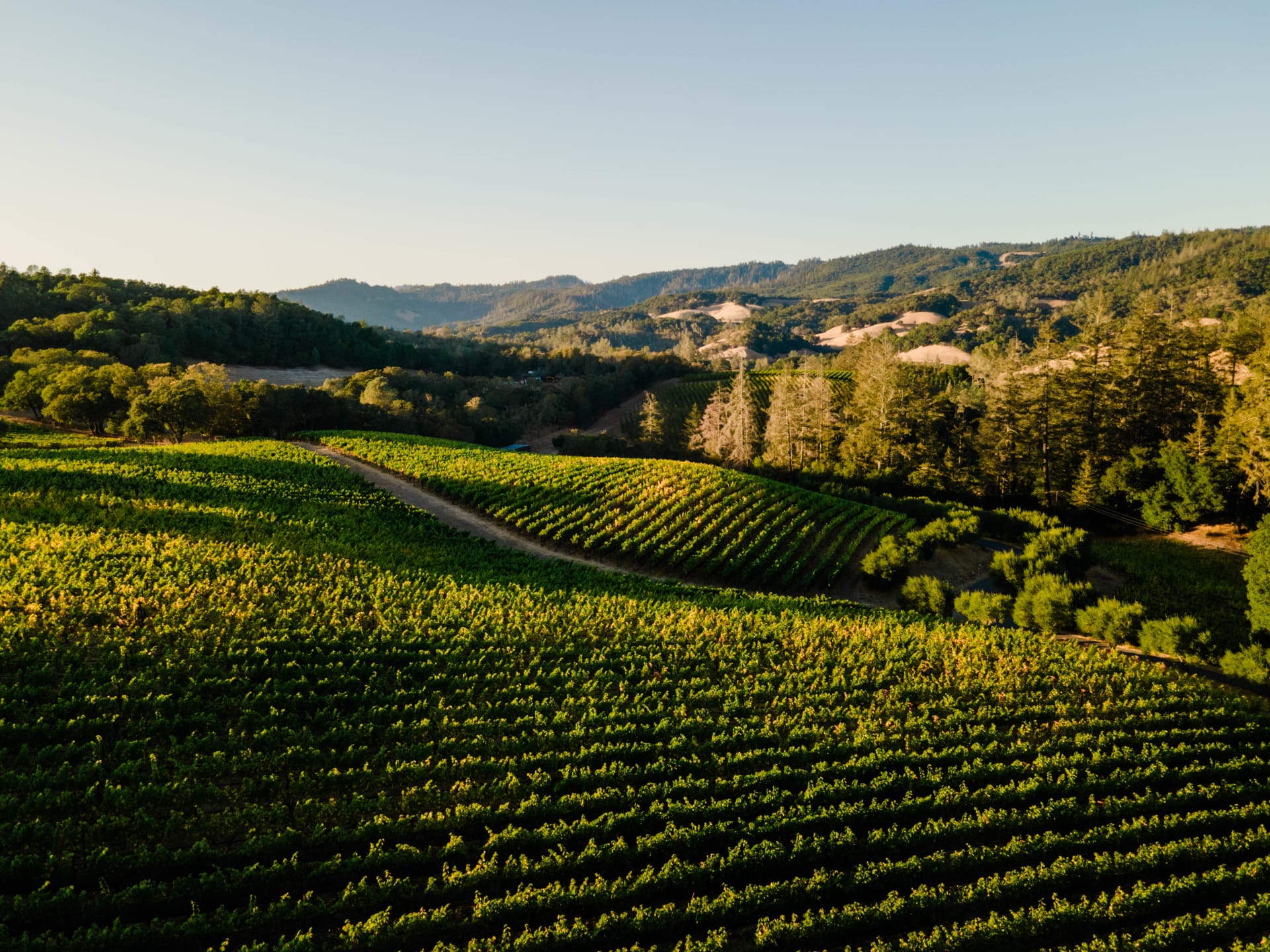




Merryvale Vineyards is a family-owned Napa Valley winery dedicated to passionate winemaking and the fine art of living well. For the past 25 years Merryvale has been turning exceptional Napa Valley grapes into world class wine. Merryvale is world renowned for rich, powerful Cabernet Sauvignon and Chardonnay, the iconic Bordeaux-style red blend, Profile, and our everyday drinking, fruit driven brand, Starmont. Merryvale's historic building was the first winery built in the Napa Valley after the repeal of Prohibition in 1933, and has become a must see attraction for visitors to the valley.
Merryvale is committed to protecting and preserving the environment through conservation, renewable energy and sustainable farming practices at our three estate vineyards. Merryvale has received Napa Green Vineyard, Napa Green Winery and Bay Area Green Business certifications.

Undoubtedly proving its merit over and over, Napa Valley is a now a leading force in the world of prestigious red wine regions. Though Cabernet Sauvignon dominates Napa Valley, other red varieties certainly thrive here. Important but often overlooked include Merlot and other Bordeaux varieties well-regarded on their own as well as for their blending capacities. Very old vine Zinfandel represents an important historical stronghold for the region and Pinot noir is produced in the cooler southern parts, close to the San Pablo Bay.
Perfectly situated running north to south, the valley acts as a corridor, pulling cool, moist air up from the San Pablo Bay in the evenings during the hot days of the growing season, which leads to even and slow grape ripening. Furthermore the valley claims over 100 soil variations including layers of volcanic, gravel, sand and silt—a combination excellent for world-class red wine production.