


Winemaker Notes
Profile is always capable of evolving for two decades and beyond. We believe the 2009 will be a wine that is approachable slightly earlier than recent vintages, and we do recommend decanting in its youth.
Blend: 87% Cabernet Sauvignon, 8% Petit Verdot, 3% Malbec, 2% Cabernet Franc
Professional Ratings
-
Robert Parker's Wine Advocate
The 2009 Profile is made up of 87% Cabernet Sauvignon, 8% Petit Verdot, 3% Malbec and 2% Cabernet Franc. Deep garnet colored, it features notions of baked blackberries, black cherry compote and crème de cassis with hints of cedar chest, pencil lead, spice box and fragrant soil. Medium to full-bodied, the palate has loads of relatively youthful, bright fruit with a refreshing line and grainy tannins to support, finishing with compelling purity.
-
Wine Enthusiast
This falls midway between the spectacular '08 and the elegant '07. Based on Cabernet Sauvignon, its grapes were grown in St. Helena. The wine shows softly lush tannins and deep, complex flavors of red fruit, berry, licorice, cocoa and mineral that easily stand up to 100% new French oak. Don't open it until at least 2018, and it should develop for many years afterward.
-
Wine Spectator
Exhibits a rich array of savory herb, dried dark berry, mocha, licorice, smoke and cedar flavors, gaining depth and richness and firming nicely on the finish. Cabernet Sauvignon, Petit Verdot, Malbec and Cabernet Franc.
-
Wine & Spirits
A luscious Napa Valley blend, with perfumed red cherry and fragrant, herb-scented fruit enriched by oak. Barrel age has brought the texture to a generous smoothness, adding walnut tones to contrast the bright fruit. Ready to decant for filet mignon.
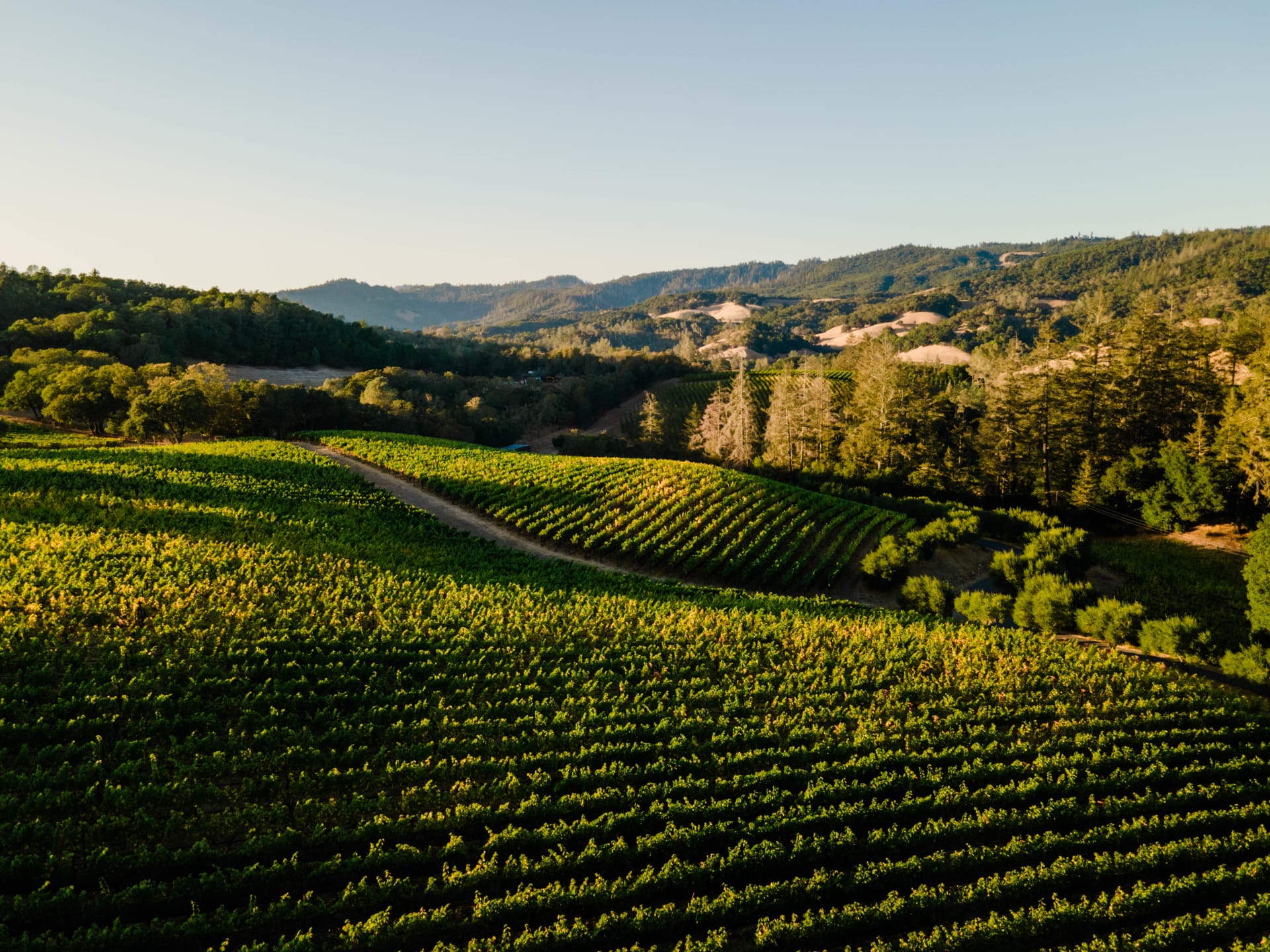




Merryvale Vineyards is a family-owned Napa Valley winery dedicated to passionate winemaking and the fine art of living well. For the past 25 years Merryvale has been turning exceptional Napa Valley grapes into world class wine. Merryvale is world renowned for rich, powerful Cabernet Sauvignon and Chardonnay, the iconic Bordeaux-style red blend, Profile, and our everyday drinking, fruit driven brand, Starmont. Merryvale's historic building was the first winery built in the Napa Valley after the repeal of Prohibition in 1933, and has become a must see attraction for visitors to the valley.
Merryvale is committed to protecting and preserving the environment through conservation, renewable energy and sustainable farming practices at our three estate vineyards. Merryvale has received Napa Green Vineyard, Napa Green Winery and Bay Area Green Business certifications.

Undoubtedly proving its merit over and over, Napa Valley is a now a leading force in the world of prestigious red wine regions. Though Cabernet Sauvignon dominates Napa Valley, other red varieties certainly thrive here. Important but often overlooked include Merlot and other Bordeaux varieties well-regarded on their own as well as for their blending capacities. Very old vine Zinfandel represents an important historical stronghold for the region and Pinot noir is produced in the cooler southern parts, close to the San Pablo Bay.
Perfectly situated running north to south, the valley acts as a corridor, pulling cool, moist air up from the San Pablo Bay in the evenings during the hot days of the growing season, which leads to even and slow grape ripening. Furthermore the valley claims over 100 soil variations including layers of volcanic, gravel, sand and silt—a combination excellent for world-class red wine production.