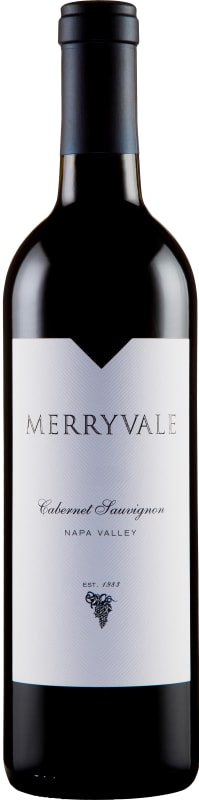


Winemaker Notes
Bright, fresh and vibrant while rooted with a savory core, this is pure Napa in a glass. Aromas of leather, tobacco, cassis, and dried herbs dance with savory spices and blue fruits. The wine unfolds in layers, showcasing a finesse that belies its power. Medium-bodied with bright acidity that perfectly complements the fine grain tannins. Long, complex, and extremely pleasurable, this wine is a crowd pleaser now, yet will continue to evolve and improve over the next 10 years.
Blend: 77% Cabernet Sauvignon, 17% Cabernet Franc, 4% Petit Verdor, 2% Malbec
Professional Ratings
-
Wine Enthusiast
Deep, dark fruit flavors, milk chocolate and mint join in to give this rich and full-bodied wine a mouthfilling presence. Velvety tannins coat the palate and support the delicious, almost-sweet fruit and spice flavors. It contains 17% Cabernet Franc and small amounts of Petit Verdot and Malbec. Best from 2026-2032.
-
Wine Spectator
This is textbook Napa Cabernet -- ripe, forthright and well-defined, with cassis, bitter plum and blackberry fruit driving through over a racy graphite hint and lively savory notes. Reveals an alder toast accent on the finish. Rock-solid. Drink now through 2034. 3,516 cases made.
-
James Suckling
Blackberry, walnut and bark on the nose with dried flowers and sandalwood. It’s full-bodied with lots of chewy tannins and flavorful fruit. Juicy, savory finish. Needs two or three years to come together. Better after 2023.
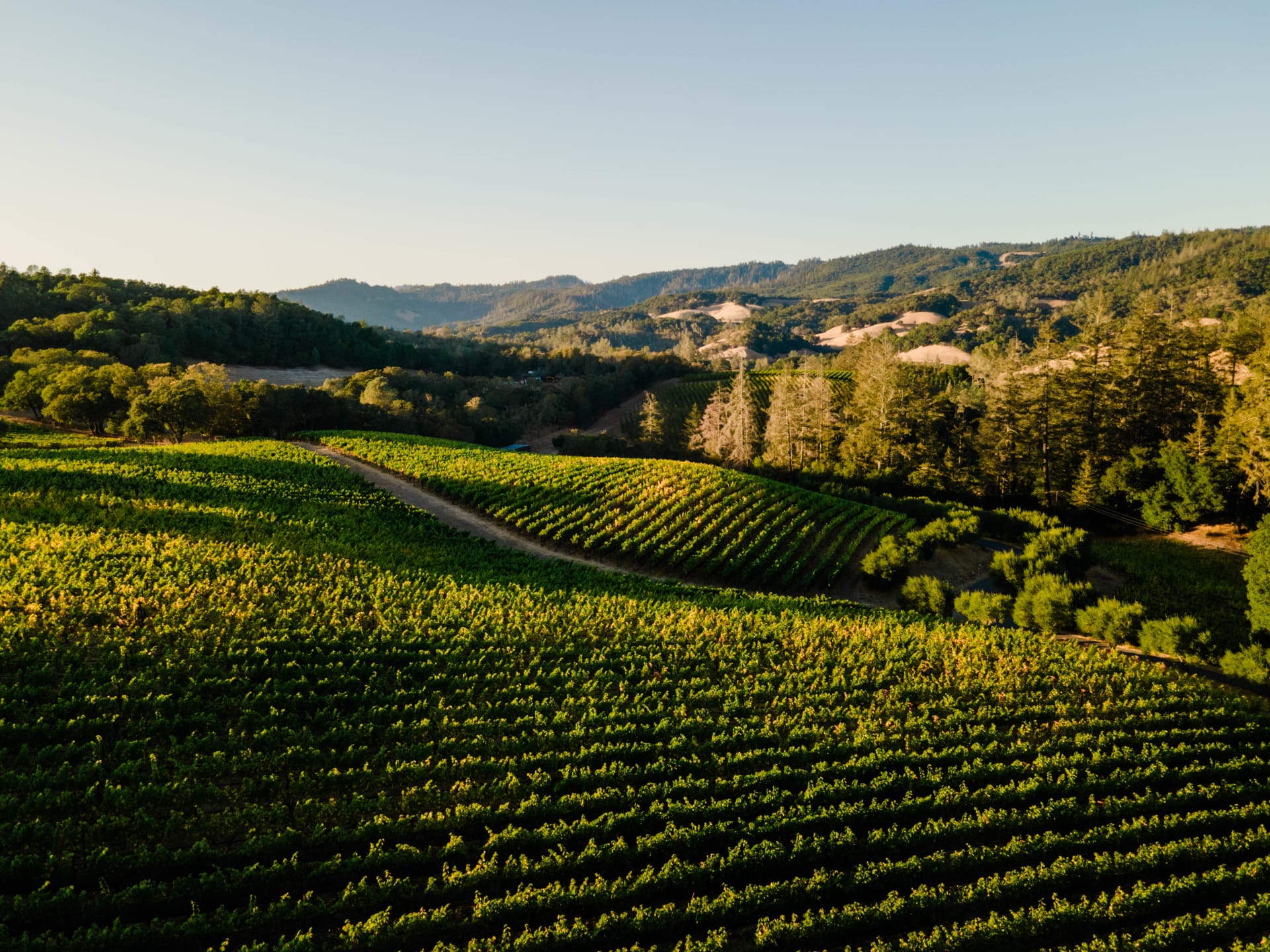




Merryvale Vineyards is a family-owned Napa Valley winery dedicated to passionate winemaking and the fine art of living well. For the past 25 years Merryvale has been turning exceptional Napa Valley grapes into world class wine. Merryvale is world renowned for rich, powerful Cabernet Sauvignon and Chardonnay, the iconic Bordeaux-style red blend, Profile, and our everyday drinking, fruit driven brand, Starmont. Merryvale's historic building was the first winery built in the Napa Valley after the repeal of Prohibition in 1933, and has become a must see attraction for visitors to the valley.
Merryvale is committed to protecting and preserving the environment through conservation, renewable energy and sustainable farming practices at our three estate vineyards. Merryvale has received Napa Green Vineyard, Napa Green Winery and Bay Area Green Business certifications.

One of the most prestigious wines of the world capable of great power and grace, Napa Valley Cabernet is a leading force in the world of fine, famous, collectible red wine. Today the Napa Valley and Cabernet Sauvignon are so intrinsically linked that it is difficult to discuss one without the other. But it wasn’t until the 1970s that this marriage came to light; sudden international recognition rained upon Napa with the victory of the Stag’s Leap Wine Cellars 1973 Cabernet Sauvignon in the 1976 Judgement of Paris.
Cabernet Sauvignon undoubtedly dominates Napa Valley today, covering half of the land under vine, commanding the highest prices per ton and earning the most critical acclaim. Cabernet Sauvignon’s structure, acidity, capacity to thrive in multiple environs and ability to express nuances of vintage make it perfect for Napa Valley where incredible soil and geographical diversity are found and the climate is perfect for grape growing. Within the Napa Valley lie many smaller sub-AVAs that express specific characteristics based on situation, slope and soil—as a perfect example, Rutherford’s famous dust or Stags Leap District's tart cherry flavors.