


Winemaker Notes
The wine possesses a deep ruby opaque color with a garnet red rim. On the nose, it offers aromas of bright Bing cherry with hints of licorice, subtle forest floor and open inviting notes of rose petal, vanilla and baking spices. Rich and lively upon entry, the mouth begins with fruit forward notes of crunchy raspberries and red cherries. Silky tannins are supported by well-balanced acidity and mocha notes throughout a long finish.
Pairs well with potato-crusted salmon, parmesan portobello risotto, chicken macadamia, spicy quinoa with asparagus and shiitake mushrooms.
Professional Ratings
-
Wine Enthusiast
Jammy plum, strawberry and dark cherry ooze from the core of this beautifully coastal wine, seasoned in dried herb, clove and black tea. Expressive and varietal, with a thick tannin structure, it has room to open further and unwind, its oak well integrated and its tannins structured.
-
Robert Parker's Wine Advocate
Pale to medium ruby, the 2018 Pinot Noir Sonoma Coast has slowly opening scents of black tea leaves, burnt orange peel, earth and bright red berry fruits. The palate is light to medium-bodied with restrained, earthy fruits, a soft frame and juicy finish.
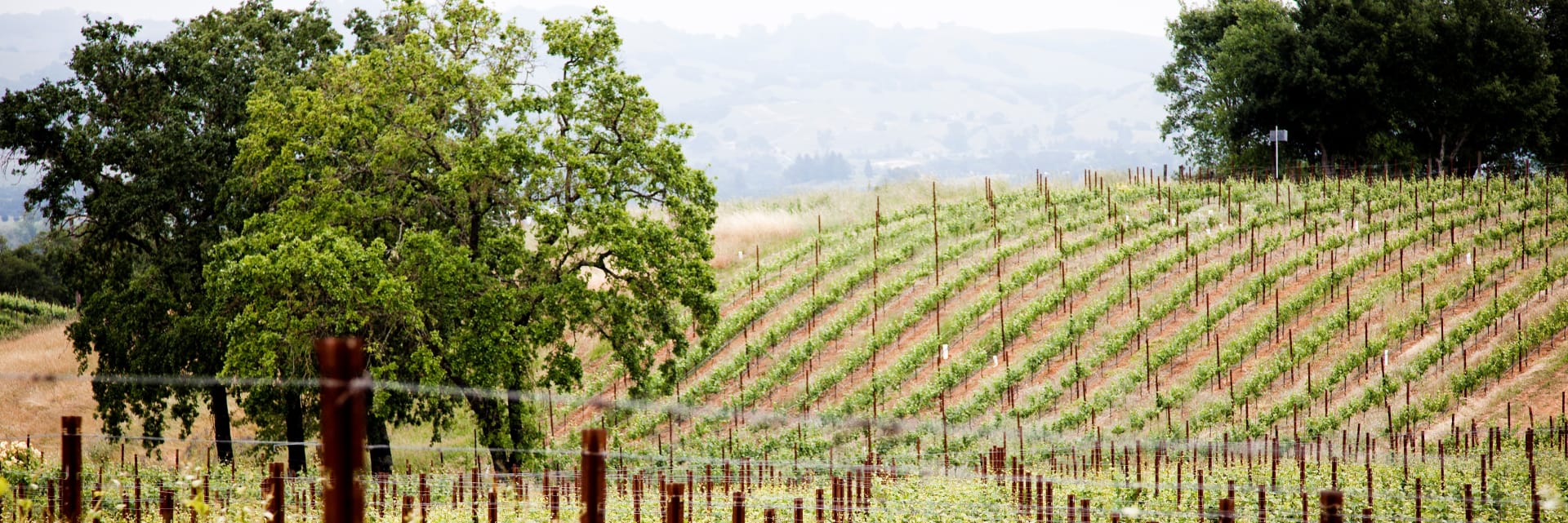



Merry Edwards Winery was founded in 1997 and produces critically acclaimed terroir-driven Pinot Noirs and Sauvignon Blanc using site-specific viticulture in the Russian River Valley and Sonoma Coast appellations. Over two decades, Merry assembled a stellar collection of vineyards and with her meticulous attention to detail crafted Pinot Noirs of immense depth, elegant structure and exceptional longevity. Her Sauvignon Blanc is among the most sought after in the world.
Now a Certified California Sustainable Winery, the brand entered a new chapter after Merry’s retirement. Merry’s handpicked successor, Winemaker Heidi von der Mehden, and Winery President Nicole Carter have taken up exactly where Merry left off and will continue to make wines treasured by legions of Merry Edwards’ fans well into the future.

The Sonoma Coast AVA is large in area but, not counting overlapping regions like Russian River Valley, only has a few thousand acres of grapevines—and it’s no wonder. Much of the region is rugged and not easily accessible. Its proximity to the Pacific Ocean’s fog and cool breezes limits the varieties that can be cultivated, but it proves to be an ideal environment for high quality Pinot Noir.
Since fog is a frequent fact of life here, as are heavy marine layers that sometimes bring rain, the best vineyards are wisely planted above the fog line, on picturesque ridges that capture enough sun to provide even ripening. That, with the overnight drop in temperature that reliably preserves acidity, results in fine expressions of Pinot Noir that often receive tremendous critic and consumer praise alike, and are often in high demand.