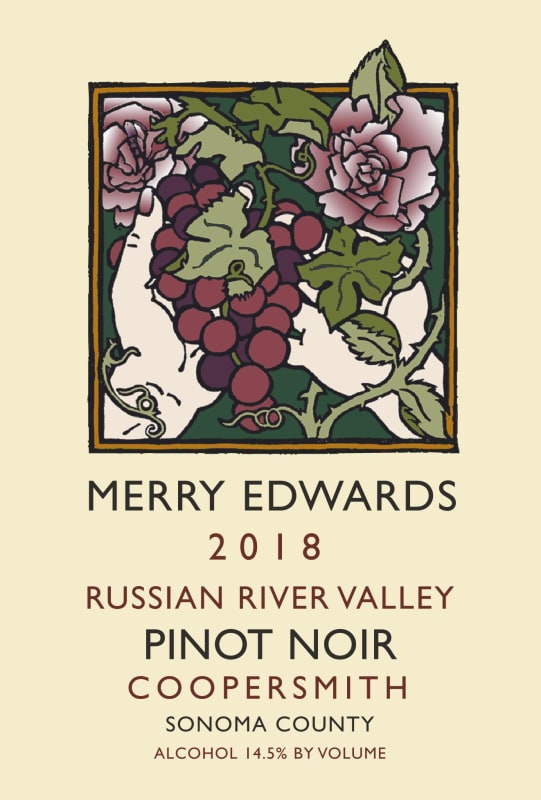

Winemaker Notes
The beautiful purple hue is most impressive, and the nose delivers with aromas of creamy milk chocolate, cherry cola, savory lavender and rose, as well as maple spice. The entry is juicy and mouth-filling. On the palate, there are notes of cherry, toasty oak and espresso bean. There is significant tannic structure, and the wine is aging beautifully and will continue to do so for a sustained period.
Professional Ratings
-
Wine Enthusiast
Creamy with high-toned, underlying acidity, this wine is well structured and weighty. Rich layers of strawberry and cranberry highlight a core of concentrated tannin and oak, with underlying complements of baking spice and cola.
-
Wine Spectator
Elegant and rich tasting, with a dense core of dark currant and plum tart flavors that are well-structured. Intense forest floor accents on a finish that is filled with cooking spice notes.


While the Russian River Valley is a large appellation with multiple climate zones and soil types, it is best known for cool-climate varieties, with Pinot Noir as the most celebrated. The grapes benefit from a reliable late afternoon flow of Pacific Ocean fog through the Petaluma Gap and along the Russian River Valley that ensures slow and steady ripening and the preservation of grape acidity. Today many of California’s most highly regarded Pinot Noir vineyards are in the Russian River Valley, along with its sub-appellation, Green Valley.
Historically Russian River Valley Pinot Noirs had bright red fruit and delicate earthy, mineral notes. But changes in viticultural and winemaking practices have led to stylistic changes in some of the region’s wines. Adjustments to canopy management, among other techniques, have resulted in riper fruit and bolder wines as well. These show flavors of black cherry, blackberry, cola, spice and darker, loamy earth tones, accenting traditional Pinot Noir notes of strawberry, raspberry and light cherry.