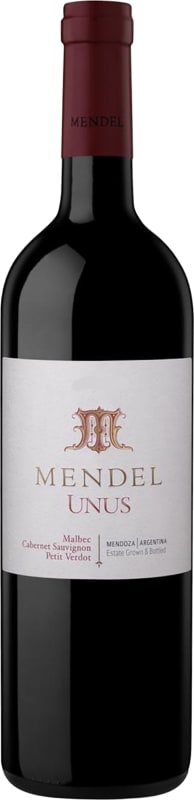


Winemaker Notes
The aromas of dark cherries, plums and roasted cocoa come leaping out of the glass. This is a big but very suave wine with layers of ripe cherry, berry fruits, white pepper, mint, chocolate, caramel, smoke, and toast. There are loads of ripe, soft tannins, so this wine will certainly age beautifully for a decade or longer, but the temptation to drink it right away may be too much to resist.
Try with smoked meats and charcuterie.
Professional Ratings
-
James Suckling
Cassis, baked black cherries, licorice, blueberries, chocolate, paprika and graphite on the nose. Quite ripe but very complex, with a structured, full-bodied palate and a long, vertical finish. Drink now or hold.
-
Wine Enthusiast
This delicious Malbec-Cabernet Sauvignon blend hails from selected vineyards in Luján de Cuyo and Uco Valley. It offers enticing aromas of blackberry jam, subtly introduced by a hint of aniseed. The palate is ripe and velvety, showing a balanced combination of well-defined dark fruit flavors and wood spices. Notes of clove and mocha extend through the finish. Drink now or hold through 2033.
Editors' Choice -
Wine Spectator
A gorgeous red, showing dried violet, chocolate and cordial notes that meld with polished layers of cassis-accented olallieberry and plum. There's also a pleasant chalky underpinning, while a twinge of fresh acidity drives the core flavors onto the finish around textured tannins. Malbec, Cabernet Sauvignon and Petit Verdot. Drink now through 2040.


One of the world’s most classic and popular styles of red wine, Bordeaux-inspired blends have spread from their homeland in France to nearly every corner of the New World. Typically based on either Cabernet Sauvignon or Merlot and supported by Cabernet Franc, Malbec and Petit Verdot, the best of these are densely hued, fragrant, full of fruit and boast a structure that begs for cellar time. Somm Secret—Blends from Bordeaux are generally earthier compared to those from the New World, which tend to be fruit-dominant.

By far the largest and best-known winemaking province in Argentina, Mendoza is responsible for over 70% of the country’s enological output. Set in the eastern foothills of the Andes Mountains, the climate is dry and continental, presenting relatively few challenges for viticulturists during the growing season. Mendoza, divided into several distinctive sub-regions, including Luján de Cuyo and the Uco Valley, is the source of some of the country’s finest wines.
For many wine lovers, Mendoza is practically synonymous with Malbec. Originally a Bordelaise variety brought to Argentina by the French in the mid-1800s, here it found success and renown that it never knew in its homeland where a finicky climate gives mixed results. Cabernet Sauvignon, Syrah, Merlot and Pinot Noir are all widely planted here as well (and sometimes even blended with each other or Malbec). Mendoza's main white varieties include Chardonnay, Torrontés, Sauvignon Blanc and Sémillon.