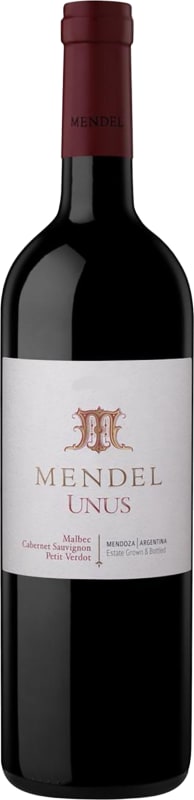


Winemaker Notes
Layers of ripe cherry, berry fruits, white pepper, mint, chocolate, caramel, smoke,
and toast. There are loads of ripe, soft tannins, so this wine will certainly age beautifully for a decade or longer.
Try with charcuterie, fajitas, and roasted cocoa.
Blend: 65% Malbec, 25% Cabernet Sauvignon, 10% Petit Verdot
Professional Ratings
-
Robert Parker's Wine Advocate
The 2021 Unus combines 65% Malbec (from Mayor Drummond and Altamira) with 25% Cabernet Sauvignon and 10% Petit Verdot (both from Perdriel). It opens with a distinctively Bordelais-influenced bouquet of pencil shavings, graphite, dried herbs and a powerful core of black and blue fruits. The palate is sleek, polished and compact, seamlessly transitioning to a lush, drying and savory finish with grippy but refined tannins. Rating: 94+
-
James Suckling
A full-bodied red with violets, plums, blueberries, chocolate orange and sweet tobacco on the nose, with vanilla pods. Firmly structured, with broad and dusty layers and a lengthy, spicy finish. Malbec, cabernet sauvignon and petit verdot. Better after 2024.
-
Wine Enthusiast
The nose of this smooth blend of 65% Malbec, 25% Cabernet Sauvignon and 10% Petit Verdot is rich in aromas of maraschino cherry and cinnamon, along with other baking spices. Oaky notes are integrated on the palate, where a fair amount of red and black berries contribute to the balance of flavors.


Mendel is the first name of the owner's father, a man who came to Argentina with nothing and ended up a successful businessman in different industries. He was also a man that loved the finest things that life had to offer, particularly wine. His daughter, Anabelle, honors her father by seeking perfection in her and Roberto's wines with his name on the label.

One of the world’s most classic and popular styles of red wine, Bordeaux-inspired blends have spread from their homeland in France to nearly every corner of the New World. Typically based on either Cabernet Sauvignon or Merlot and supported by Cabernet Franc, Malbec and Petit Verdot, the best of these are densely hued, fragrant, full of fruit and boast a structure that begs for cellar time. Somm Secret—Blends from Bordeaux are generally earthier compared to those from the New World, which tend to be fruit-dominant.

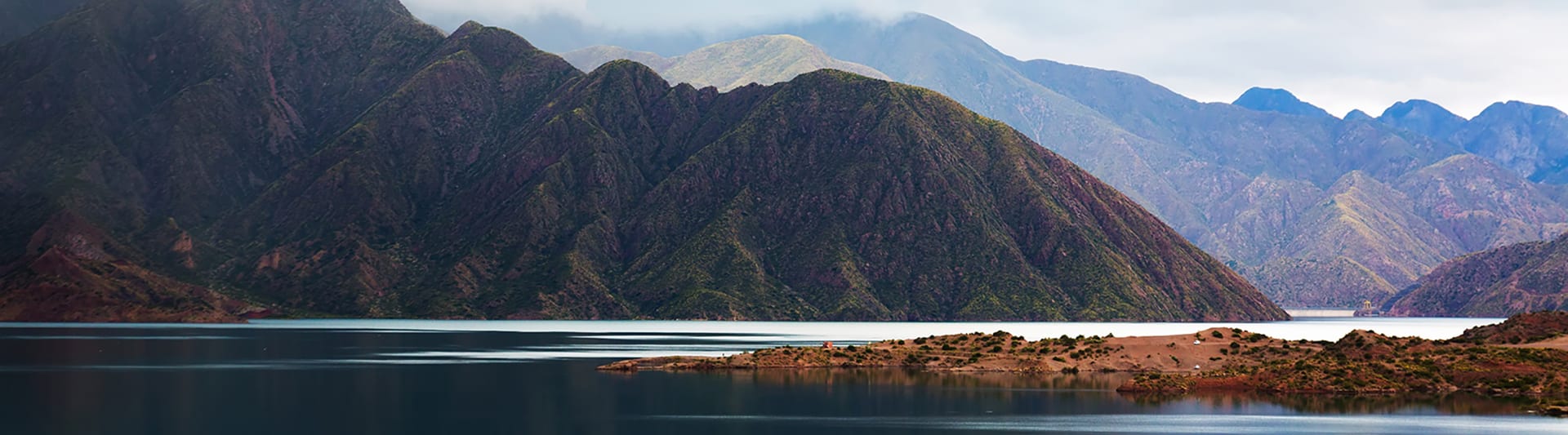
By far the largest and best-known winemaking province in Argentina, Mendoza is responsible for over 70% of the country’s enological output. Set in the eastern foothills of the Andes Mountains, the climate is dry and continental, presenting relatively few challenges for viticulturists during the growing season. Mendoza, divided into several distinctive sub-regions, including Luján de Cuyo and the Uco Valley, is the source of some of the country’s finest wines.
For many wine lovers, Mendoza is practically synonymous with Malbec. Originally a Bordelaise variety brought to Argentina by the French in the mid-1800s, here it found success and renown that it never knew in its homeland where a finicky climate gives mixed results. Cabernet Sauvignon, Syrah, Merlot and Pinot Noir are all widely planted here as well (and sometimes even blended with each other or Malbec). Mendoza's main white varieties include Chardonnay, Torrontés, Sauvignon Blanc and Sémillon.