

Winemaker Notes
#66 Wine Spectator Top 100 of 2025
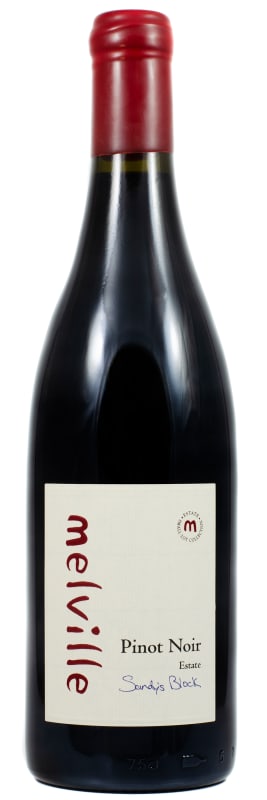
Sandy's consistently showcases a beautiful combination of dried flowers, salty minerals, fresh cracked white pepper, Bing cherry, blood orange rind, and wintergreen accents. The texture is concentrated fruit matched with bright, mouthwatering freshness. While this block’s sandy soil is reflected in the lighter style, Sandy's still delivers a rush of power.
Pair with lightly smoked fatty salmon with blood orange demi-glace.
Professional Ratings
-
Wine Spectator
This is coiled up, offering juicy energy that keeps the core of bitter cherry, raspberry and damson plum notes in reserve for now. When they unfurl, they'll have support from elements of black tea, singed sandalwood, rose petal and oyster shell minerality through the mouthwatering finish.
-
Robert Parker's Wine Advocate
From high-elevation plantings on sandy soils comes the 2023 Pinot Noir Sandy's Block, fermented with 50% whole bunches. Refined and measured on the nose, it opens with a fragrant, floral bouquet with a red-fruited core, gradually revealing lifted orange peel and stem-derived spice notes. The palate balances a broad, silky texture with racy energy, culminating in a gently saturated, saline finish that lingers with delicate, fine-grained tannins and bright, red-fruited overtones. This is a beautiful example of precision on display at Meville, and it's among the more accessible single-block offerings.
-
Vinous
The 2023 Pinot Noir Estate Sandy's Block is a blend of four clones planted in pure sand. Fresh, spiced and lifted, it boasts a delicate, effusive, floral-tinged aromatic profile with lots of tension and an air of seriousness. There's ample complexity under the hood here. The 2023 is a little reticent today, but time should help to unlock some of its charms and build some fruit weight. This is a very pretty, classically built wine with upside potential. Rating: 94+


Thin-skinned, finicky and temperamental, Pinot Noir is also one of the most rewarding grapes to grow and remains a labor of love for some of the greatest vignerons in Burgundy. Fairly adaptable but highly reflective of the environment in which it is grown, Pinot Noir prefers a cool climate and requires low yields to achieve high quality. Outside of France, outstanding examples come from in Oregon, California and throughout specific locations in wine-producing world. Somm Secret—André Tchelistcheff, California’s most influential post-Prohibition winemaker decidedly stayed away from the grape, claiming “God made Cabernet. The Devil made Pinot Noir.”
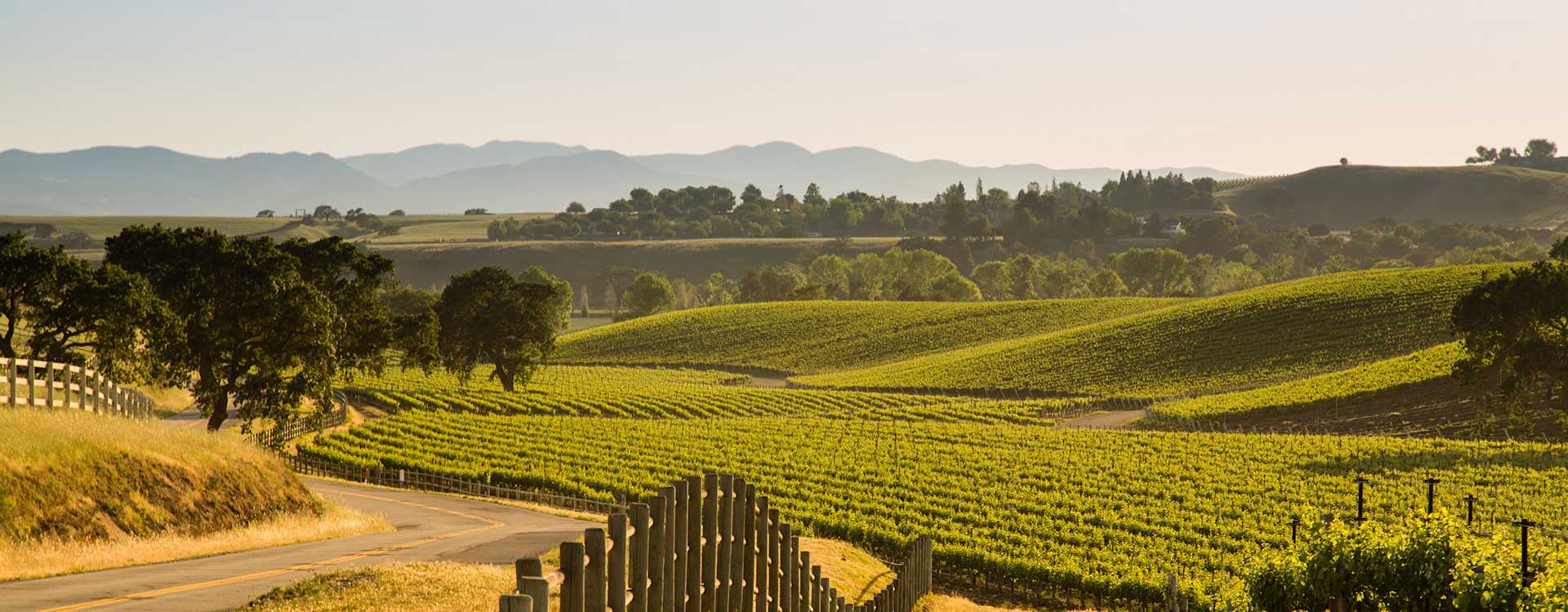
A superior source of California Chardonnay and Pinot Noir, Sta. Rita Hills is the coolest, westernmost sub-region of the larger Santa Ynez Valley appellation within Santa Barbara County. This relatively new AVA is unquestionably one to keep an eye on.
The climate of Sta. Rita Hills is a natural match for Chardonnay and Pinot noir, thanks to the crisp ocean breezes and well-drained, limestone-rich calcareous soil. Here, grapes ripen just enough, while retaining brisk acidity and harmonious balance.