


Winemaker Notes
Vibrant crimson, Sandy’s unfolds aromatic layers of rose petal, dried violet, incense resin and pink peppercorns. On the palate, concentrated red fruits like fresh Bing cherry, Japanese red plums and cranberry relish are lifted by elegant and showy rosewater, coriander seeds and ground clove. A pretty and perfumed front palate ends with mouth-coating acidity and a velvety dusting of dark cocoa bean powder.
Professional Ratings
-
Robert Parker's Wine Advocate
Vinified with 50% whole clusters, the 2020 Pinot Noir Sandy's Block is notably detailed and pure. Medium ruby, it has a deep core of cranberry, pomegranate and raspberry with touches of pepper, mossy bark and blood orange. The medium-bodied palate offers concentrated fruits, a pleasing, chalky frame and bursts of mouthwatering acidity that highlight bitters and earth accents on the long, detailed finish. Best After 2022.
-
Jeb Dunnuck
Starting with the Pinot Noirs, the 2020 Pinot Noir Sandy's showed well, with a tighter, focused, medium-bodied style that’s going to benefit from bottle age. Coming from pure sand soils just north of Donna’s Block (this cuvée is named after Chad’s aunt) and a mix of four different clones, fermented with 50% stems, it has a solid bouquet of black raspberry and mulberry fruits, fine yet present tannins, good acidity, and outstanding length. Give it a year or three, and it will unquestionably keep for a decade. Rating: 94+
-
Wine Enthusiast
Rich aromas of black cherry, dark strawberry, dank herb and dried tarragon show on the nose of this bottling. There’s a ripe boysenberry pie core to the palate, which is elevated by dewy and dried herb elements.


Thin-skinned, finicky and temperamental, Pinot Noir is also one of the most rewarding grapes to grow and remains a labor of love for some of the greatest vignerons in Burgundy. Fairly adaptable but highly reflective of the environment in which it is grown, Pinot Noir prefers a cool climate and requires low yields to achieve high quality. Outside of France, outstanding examples come from in Oregon, California and throughout specific locations in wine-producing world. Somm Secret—André Tchelistcheff, California’s most influential post-Prohibition winemaker decidedly stayed away from the grape, claiming “God made Cabernet. The Devil made Pinot Noir.”
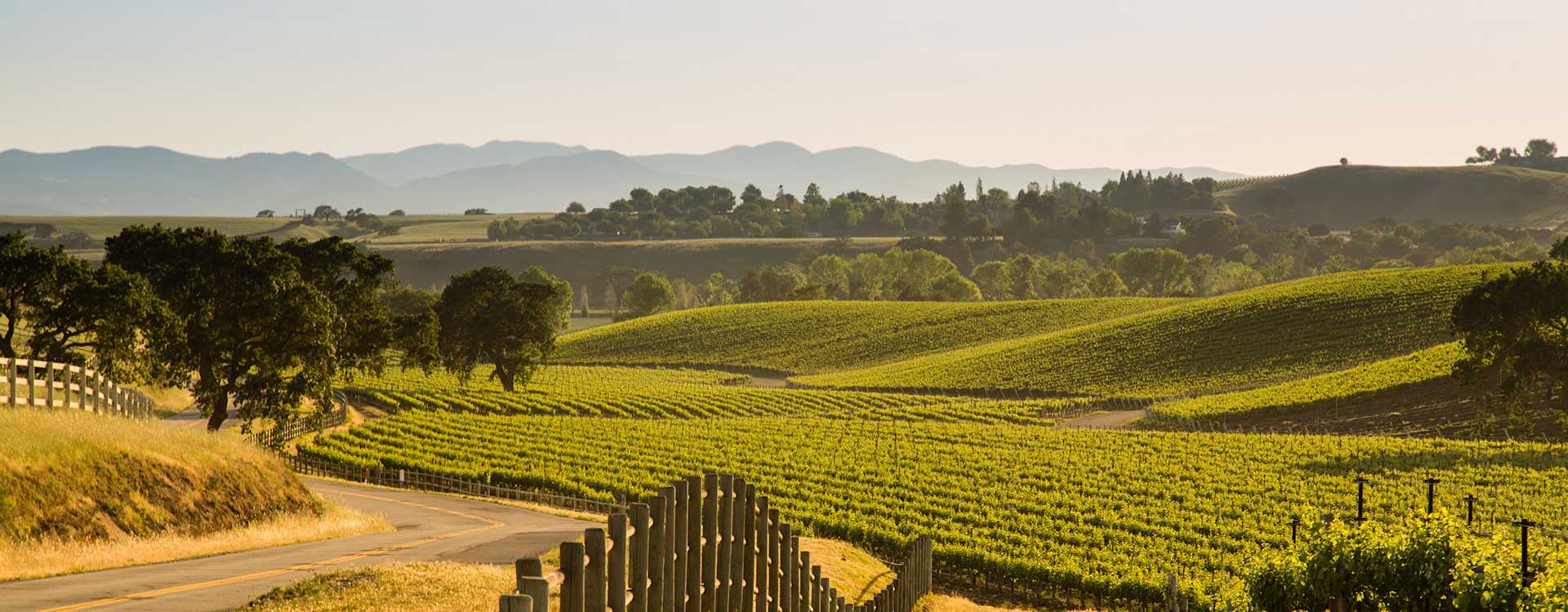
A superior source of California Chardonnay and Pinot Noir, Sta. Rita Hills is the coolest, westernmost sub-region of the larger Santa Ynez Valley appellation within Santa Barbara County. This relatively new AVA is unquestionably one to keep an eye on.
The climate of Sta. Rita Hills is a natural match for Chardonnay and Pinot noir, thanks to the crisp ocean breezes and well-drained, limestone-rich calcareous soil. Here, grapes ripen just enough, while retaining brisk acidity and harmonious balance.