


Winemaker Notes
Deep violet garnet in color, plum blossom, fresh cranberry, muddled strawberry and grilled orange peel come through initially while tender notes of fresh thyme, hibiscus tea and dried rosemary flower linger in the background. The wine possesses loads of vibrant acidity with fresh and nicely integrated tannins that provide structure and liveliness to a smooth and balanced finish.
Professional Ratings
-
Jeb Dunnuck
Seeing 50% stems, the 2018 Pinot Noir Estate Sandy's offers a more rounded, complex style as well as beautiful spiced cherry, incense, orange blossom, and foresty, almost pine tree-like nuances. It's medium to full-bodied, with a wonderful texture, present tannins, and a great finish. It's capable of evolving for over a decade.
-
Wine Enthusiast
Tangy aromas of raspberry and rose petal meet with dried sage and tarragon on the nose of this block-designated bottling. Brisk raspberry flavors are lifted by bay leaf and eucalyptus sap on the zesty palate.
-
Robert Parker's Wine Advocate
The 2018 Pinot Noir Sandy's has a medium ruby color and broody aromas of crushed blueberries, black cherries, dried violets and bergamot. The palate is medium-bodied with bright juiciness and Goldilocks ripeness, finishing long on a potpourri note.
-
Wine & Spirits
From a sandy site planted to four clones, this is macerated for 30 days, with half the fruit in whole bunches, then aged in neutral barrels. It smells like a spice box, clove, bergamot and violet scents girding dark strawberry fruit. The flavors are tart and transparent, the wine energetic and savory. For a smoked chicken.


Thin-skinned, finicky and temperamental, Pinot Noir is also one of the most rewarding grapes to grow and remains a labor of love for some of the greatest vignerons in Burgundy. Fairly adaptable but highly reflective of the environment in which it is grown, Pinot Noir prefers a cool climate and requires low yields to achieve high quality. Outside of France, outstanding examples come from in Oregon, California and throughout specific locations in wine-producing world. Somm Secret—André Tchelistcheff, California’s most influential post-Prohibition winemaker decidedly stayed away from the grape, claiming “God made Cabernet. The Devil made Pinot Noir.”
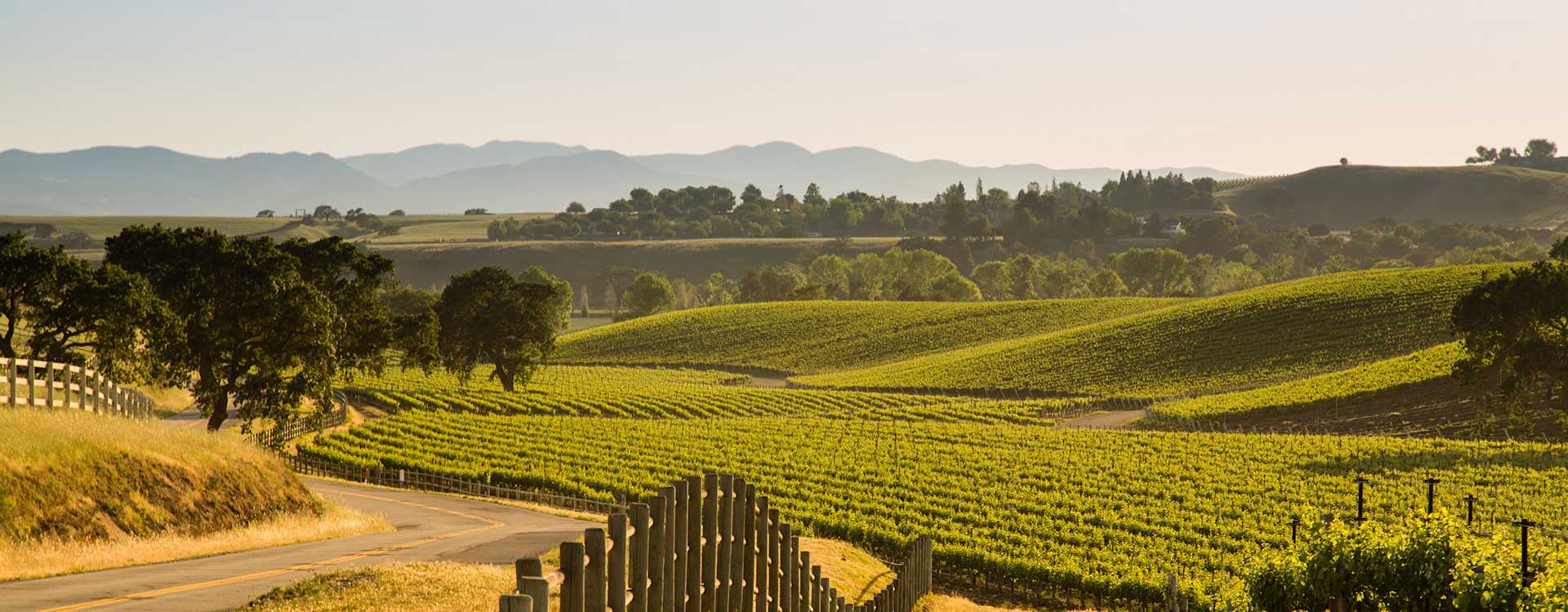
A superior source of California Chardonnay and Pinot Noir, Sta. Rita Hills is the coolest, westernmost sub-region of the larger Santa Ynez Valley appellation within Santa Barbara County. This relatively new AVA is unquestionably one to keep an eye on.
The climate of Sta. Rita Hills is a natural match for Chardonnay and Pinot noir, thanks to the crisp ocean breezes and well-drained, limestone-rich calcareous soil. Here, grapes ripen just enough, while retaining brisk acidity and harmonious balance.