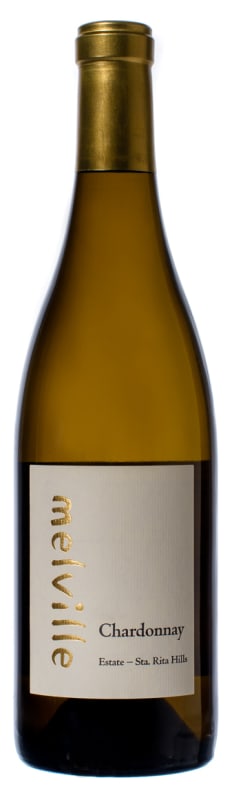


Winemaker Notes
Melville's Chardonnay continues to bring to light that a cold climate with sandy soil delivers another dimension that seems to be lost on the “typical” California chardonnay. The 2023 is austere and full of tension, energy, and depth of fruit. Aromas of citrus blossoms, minerals, oyster brine, salty ocean air, dried honey, and grilled pineapple make way to a palate that is bright, fresh, and electric with concentration that lingers.
This wine pairs beautifully alongside grilled swordfish tacos with fresh pineapple salsa and a drizzle of lime crema.
Professional Ratings
-
James Suckling
A vivid, bright and polished wine with fresh apples, a smooth texture and subtle, spicy complexity. Fermented in neutral barrels, the wine gives pineapple, lemon and golden apple fruit for a generous palate backed by good acidity and hints of minerality.
-
Wine Spectator
Energetic, sleek and vibrant, with pineapple, lemon curd and pomelo notes up front. Touches of fresh ginger, crunchy sea salt and orange blossoms linger on the finish alongside details of matcha and white peppper. Drink now. 2,380 cases made.
-
Robert Parker's Wine Advocate
The 2023 Chardonnay Estate spent 10 months in barrique without malolactic fermentation. It opens with clay, green apple, jasmine and citrus rind aromas framed with a touch of reduction. The palate is linear, focused and acid-driven, pleasantly bolstered by a touch of phenolic richness through the saline finish.


One of the most popular and versatile white wine grapes, Chardonnay offers a wide range of flavors and styles depending on where it is grown and how it is made. While it tends to flourish in most environments, Chardonnay from its Burgundian homeland produces some of the most remarkable and longest lived examples. California produces both oaky, buttery styles and leaner, European-inspired wines. Somm Secret—The Burgundian subregion of Chablis, while typically using older oak barrels, produces a bright style similar to the unoaked style. Anyone who doesn't like oaky Chardonnay would likely enjoy Chablis.
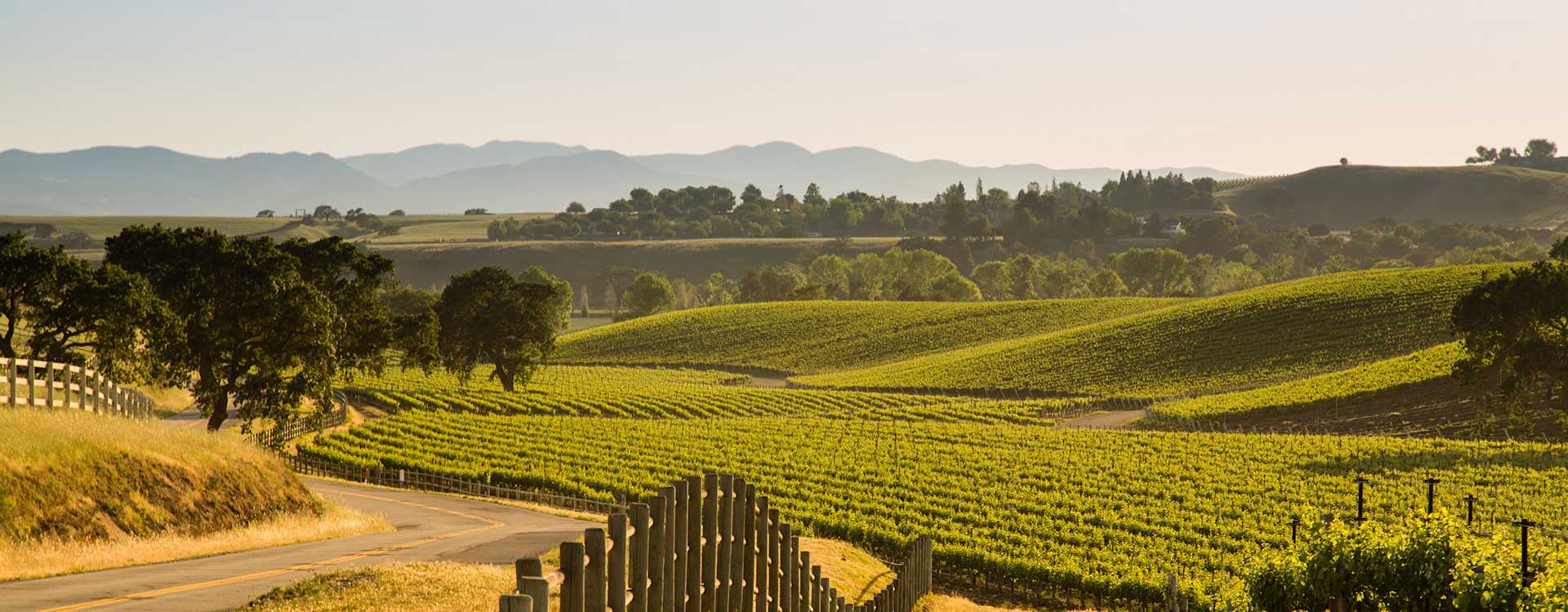
A superior source of California Chardonnay and Pinot Noir, Sta. Rita Hills is the coolest, westernmost sub-region of the larger Santa Ynez Valley appellation within Santa Barbara County. This relatively new AVA is unquestionably one to keep an eye on.
The climate of Sta. Rita Hills is a natural match for Chardonnay and Pinot noir, thanks to the crisp ocean breezes and well-drained, limestone-rich calcareous soil. Here, grapes ripen just enough, while retaining brisk acidity and harmonious balance.