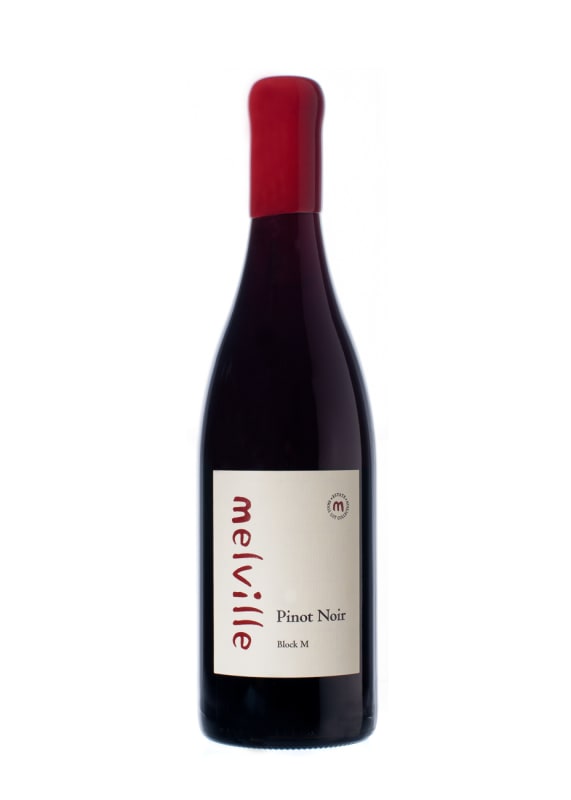


Winemaker Notes
Boasting a shimmering red sea glass hue, notes of sesame braised cantaloupe, and wild lupins come through initially. Voluptuous umami flavors abound, notes of buttery trumpet mushrooms, hoisin and Chinese five spice anchor a polished finish along with hints of black cherry, dragon fruit and key lime in this vivid and bright expression of clay soil grown Pinot Noir.
Professional Ratings
-
Robert Parker's Wine Advocate
Medium ruby, the 2019 Pinot Noir Block M has beautiful scents of strawberry and raspberry jam, tangerine peel, tea and tobacco leaves with touches of iodine. The medium-bodied palate is broody and layered, with earthy bass tones and sweet berry perfume, and it finishes very long and fragrant.
-
Wine Enthusiast
Brick-black-raspberry-jam aromas are cut by pine needle, damp herbs and wet cement on the nose of this bottling. The palate packs fresh cranberry with seared orange-rind flavors, as hints of sage and pine linger into the finish.
-
Australian Wine Companion
The 2019 Pinot Noir Block M was 33% destemmed and saw the usual élevage all in very old barrels. Coming from clone 114 and 115, it reveals a medium-bodied, supple, lightly textured style as well classic Melville salinity and marine-like influences in its dark cherry and raspberry fruits as well as notes of iron, decayed flowers, stems, and baking spices. I love its overall balance, the purity of fruit is spot on, it has ripe tannins, and it’s going to keep for at least a decade.


Thin-skinned, finicky and temperamental, Pinot Noir is also one of the most rewarding grapes to grow and remains a labor of love for some of the greatest vignerons in Burgundy. Fairly adaptable but highly reflective of the environment in which it is grown, Pinot Noir prefers a cool climate and requires low yields to achieve high quality. Outside of France, outstanding examples come from in Oregon, California and throughout specific locations in wine-producing world. Somm Secret—André Tchelistcheff, California’s most influential post-Prohibition winemaker decidedly stayed away from the grape, claiming “God made Cabernet. The Devil made Pinot Noir.”
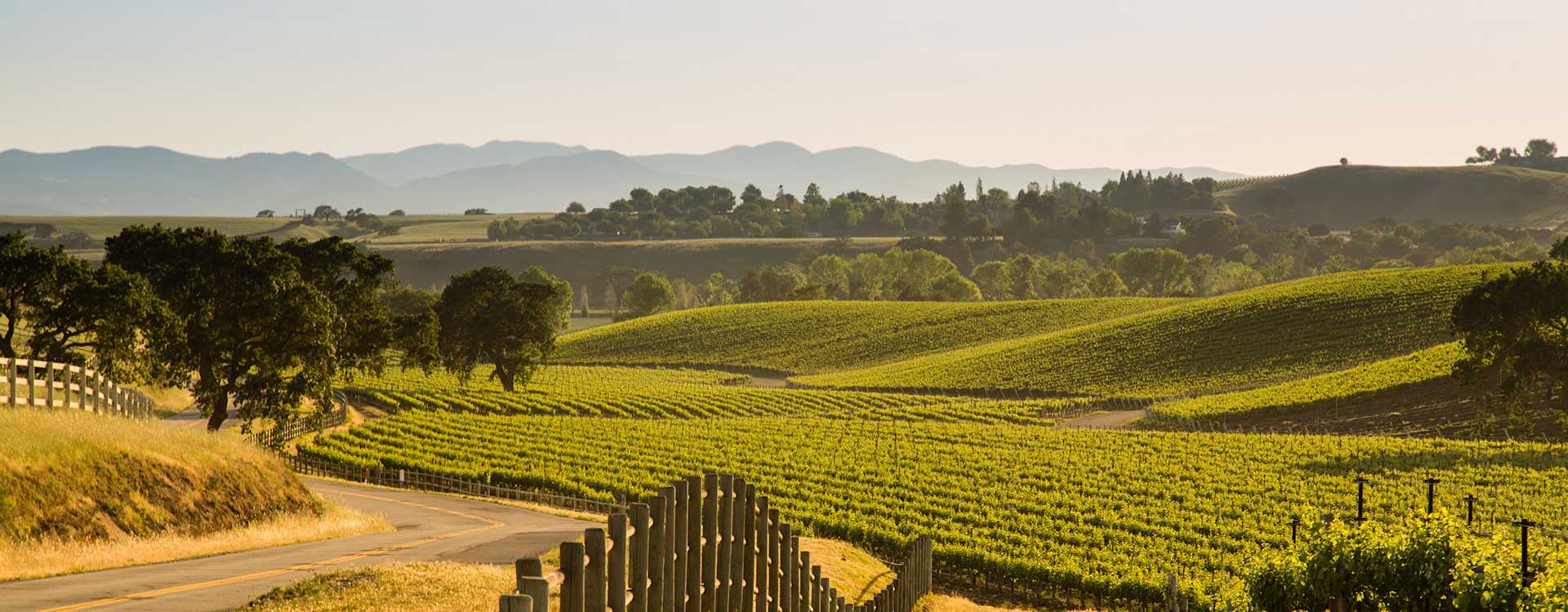
A superior source of California Chardonnay and Pinot Noir, Sta. Rita Hills is the coolest, westernmost sub-region of the larger Santa Ynez Valley appellation within Santa Barbara County. This relatively new AVA is unquestionably one to keep an eye on.
The climate of Sta. Rita Hills is a natural match for Chardonnay and Pinot noir, thanks to the crisp ocean breezes and well-drained, limestone-rich calcareous soil. Here, grapes ripen just enough, while retaining brisk acidity and harmonious balance.