

Winemaker Notes
Professional Ratings
-
Wine Enthusiast
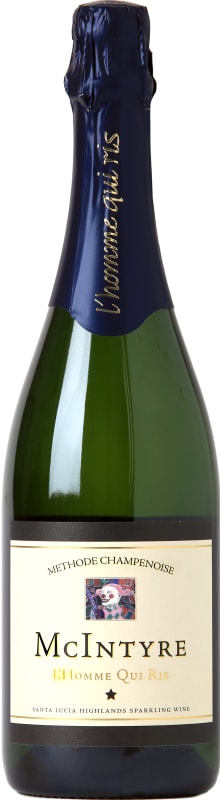
Featuring and named after a painting by renowned Santa Barbara artist James Jarvaise, this intriguing bottling shows Anjou pear, Key lime, green pluot, cider apple and strong sourdough notes on the nose. Those unique aromas carry to the palate, where a mix of yellow flowers, yellow melon, lemon blossom and lemon verbena soar across a flavor base of lightly buttered toast.


A term typically reserved for Champagne and Sparkling Wines, non-vintage or simply “NV” on a label indicates a blend of finished wines from different vintages (years of harvest). To make non-vintage Champagne, typically the current year’s harvest (in other words, the current vintage) forms the base of the blend. Finished wines from previous years, called “vins de reserve” are blended in at approximately 10-50% of the total volume in order to achieve the flavor, complexity, body and acidity for the desired house style. A tiny proportion of Champagnes are made from a single vintage.
There are also some very large production still wines that may not claim one particular vintage. This would be at the discretion of the winemaker’s goals for character of the final wine.

Perhaps the most highly regarded appellation within Monterey County, Santa Lucia Highlands AVA benefits from a combination of warm morning sunshine and brisk afternoon breezes, allowing grapes to ripen slowly and fully. The result is concentrated, flavorful wines that retain their natural acidity. Wineries here do not shy away from innovation, and place a high priority on sustainable viticultural practices.
The climatic conditions here are perfectly suited to the production of ripe, rich Pinot Noir and Chardonnay. These Burgundian varieties dominate an overwhelming percentage of plantings, though growers have also found success with Syrah, Riesling and Pinot Gris.