


Winemaker Notes
Pairs well with savory dishes, game, stews, truffles and aged cheeses.
Blend: 92% Sangiovese, 8% Malvasia Nera and Colorino
Professional Ratings
-
Wine Spectator
An essence of sweet cherry grounds the surrounding flavors of leather, iron, spice and tobacco in this firm red, which remains vibrant and refined. Bracing acidity and dense, muscular tannins play out on the long finish.
-
Robert Parker's Wine Advocate
The 2013 Chianti Classico Gran Selezione Castello Fonterutoli is an exceptionally balanced and smooth red wine that is the result of a complicated fruit-blending process. Some 36 biotypes of Sangiovese are used in the mix and are harvested from 120 single vineyard parcels with primarily Alberese and Galestro limestone soils. It is made from 92% Sangiovese, and 8% Malvasia Nera and Colorino. The bouquet offers bold cherry and plum with spice and soft tobacco.
-
Decanter
Deep, earthy and vivacious red fruits in an exuberant, forthcoming style, with brassy oak. The fruit strides out, acidic, uncompromising and tannin-booted.
-
James Suckling
Plenty of new wood overlaying the ripe fruit and spice on the nose. Full body, rich and flavorful with lots of vanilla and berry character. A little less new wood would be more pleasing to me but I like the wine's energy all the same. Better in 2019.


Established in 1435, the Mazzei family is one of Tuscany’s oldest wine dynasties and they have been cultivating vineyards and crafting fine wine for over 600 years in Fonterutoli in the heart of Chianti Classico. Leading the portfolio today are the Marchesi Mazzei, brothers Francesco and Filippo, as well as Filippo’s son Giovanni, the 25th generation. Notable ancestors include Ser Lapo Mazzei, author of the first known document (1398) using Chianti to reference the wine and region and Philip, an Italian turned American patriot whose friendship and correspondence with Thomas Jefferson inspired the idea that “all men are by nature equally free and independent,” which influenced the Declaration of Independence.
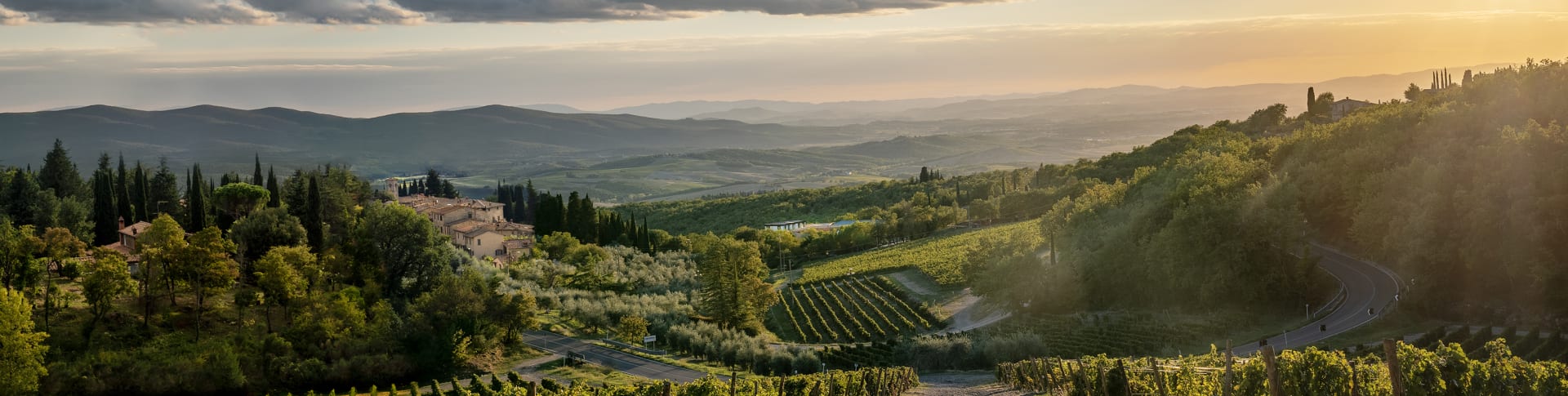
While the family has always honored their legacy, producing acclaimed wines of extraordinary aromatic richness, balance and complexity, they are also leaders in viticulture and vinification. The winery’s vineyards cover 110 hectares across 7 sub-zones of Chianti Classico featuring different soils, altitudes (720-1870 feet) and micro-climates. All their vineyards are farmed with customized organic practices that focus on soil health, preservation of biodiversity, reduction of copper use, and absorbing 5x more CO2 than is expressed out; a true commitment to reducing environmental impact and fostering sustainability. From their state-of-the-art low-impact, gravity fed cellar to their massal selections and clonal research, the current generation pursues innovation that elevates their wines and protects their ecosystem. This balance of preservation and evolution is also found in the family’s estates in Maremma (Belguardo) and Sicily (Zisola).

Among Italy's elite red grape varieties, Sangiovese has the perfect intersection of bright red fruit and savory earthiness and is responsible for the best red wines of Tuscany. While it is best known as the chief component of Chianti, it is also the main grape in Vino Nobile di Montepulciano and reaches the height of its power and intensity in the complex, long-lived Brunello di Montalcino. Somm Secret—Sangiovese doubles under the alias, Nielluccio, on the French island of Corsica where it produces distinctly floral and refreshing reds and rosés.

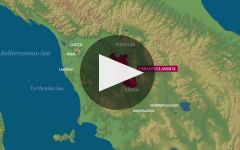
One of the first wine regions anywhere to be officially recognized and delimited, Chianti Classico is today what was originally defined simply as Chianti. Already identified by the early 18th century as a superior zone, the official name of Chianti was proclaimed upon the area surrounding the townships of Castellina, Radda and Gaiole, just north of Siena, by Cosimo III, Grand Duke of Tuscany in an official decree in 1716.
However, by the 1930s the Italian government had appended this historic zone with additonal land in order to capitalize on the Chianti name. It wasn’t until 1996 that Chianti Classico became autonomous once again when the government granted a separate DOCG (Denominazione di Origine Controllata e Garantita) to its borders. Ever since, Chianti Classico considers itself no longer a subzone of Chianti.
Many Classicos are today made of 100% Sangiovese but can include up to 20% of other approved varieties grown within the Classico borders. The best Classicos will have a bright acidity, supple tannins and be full-bodied with plenty of ripe fruit (plums, black cherry, blackberry). Also common among the best Classicos are expressive notes of cedar, dried herbs, fennel, balsamic or tobacco.