


Winemaker Notes
With this outstanding Chianti Classico Riserva, the Marquis Mazzei celebrate their notable ancestor Ser Lapo, author of the first official document mentioning “Chianti wine”. Ruby red color with violet nuances. On the nose, bright aromas of fresh cherries mingle with notes of thyme and a subtle smoky character. Bright acid structure providing a lively quality. Cranberry, raspberry, and red cherry dominate with hints of leather, cedar, and cocoa powder. Some earthiness in the finish and ripe soft tannins.
Food pairings include pasta with game sauce, stews, grilled red meats, and mid-aged cheeses.
Blend: 90% Sangiovese, 10% Merlot
Professional Ratings
-
Decanter
This is a stunning wine with a complex cherry, prune, herbal, leather and balsamic bouquet. Excels on the concentrated and succulent palate, with lovely mouthfeel and lots of spicy, smooth, fleshy tannins, superfine acidity and great length. A classic gourmand style per eccellenza perhaps but remarkable from any angle.
-
James Suckling
Bright aromas of sliced cherries and hints of strawberries with some orange peel. Full body and super fine and ripe tannins. They melt into the wine. Delicate yet energetic. Crisp finish.
-
Wine Spectator
A vibrant yet brooding red, with bracing acidity driving the cherry, currant, iron, tobacco and almond flavors. Complex and intense, this needs a few years to absorb the tannins. Delivers fine presence and length. Sangiovese and Merlot. Best from 2022 through 2043.
-
Robert Parker's Wine Advocate
Here's a terrific wine, at a reasonable price point, that gives you an authentic albeit contemporary taste of Tuscany. The 2016 Chianti Classico Riserva Ser Lapo (made with 90% Sangiovese and 10% other red varieties including Merlot) reflects the best qualities of this classic vintage with sharp lines, good freshness and delineated contours. The wine shows a tight core of black fruit surrounded by softer layers of spice and smoke at the edges.
Rating: 92+
-
Wine & Spirits
Flavors of cherry, licorice and spice take on savory notes as this wine sits in the glass. The fruit (sangiovese with ten percent unnamed varieties) comes from the Fonterutoli estate in Castellina in Chianti, and the wine aged for one year in French oak barriques and tonneaux, half of which were new. Its dark and meaty flavors are a match for pasta in a rich ragù.
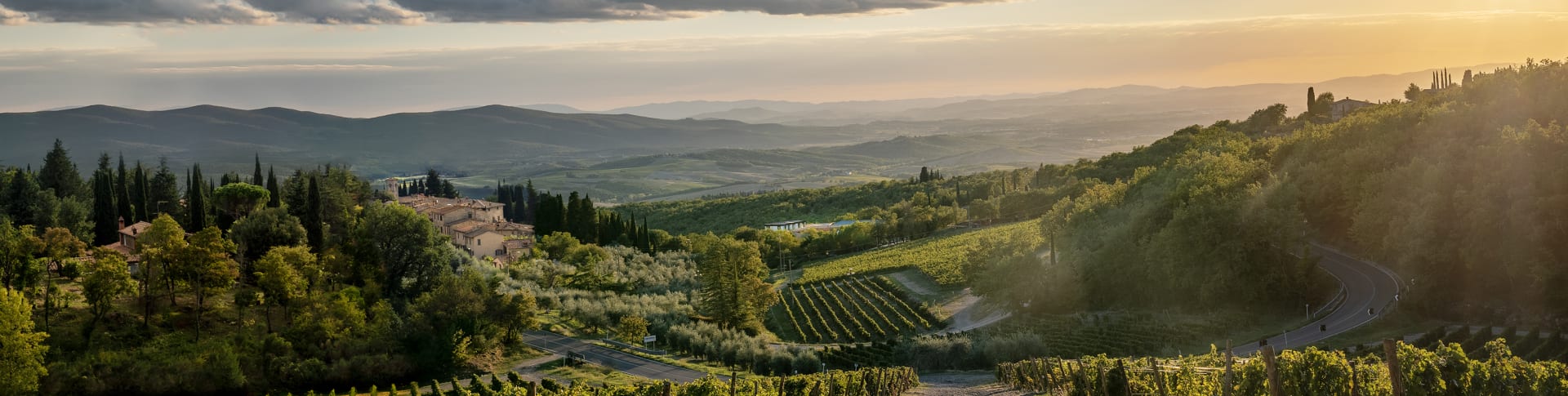



Established in 1435, the Mazzei family is one of Tuscany’s oldest wine dynasties and they have been cultivating vineyards and crafting fine wine for over 600 years in Fonterutoli in the heart of Chianti Classico. Leading the portfolio today are the Marchesi Mazzei, brothers Francesco and Filippo, as well as Filippo’s son Giovanni, the 25th generation. Notable ancestors include Ser Lapo Mazzei, author of the first known document (1398) using Chianti to reference the wine and region and Philip, an Italian turned American patriot whose friendship and correspondence with Thomas Jefferson inspired the idea that “all men are by nature equally free and independent,” which influenced the Declaration of Independence.
While the family has always honored their legacy, producing acclaimed wines of extraordinary aromatic richness, balance and complexity, they are also leaders in viticulture and vinification. The winery’s vineyards cover 110 hectares across 7 sub-zones of Chianti Classico featuring different soils, altitudes (720-1870 feet) and micro-climates. All their vineyards are farmed with customized organic practices that focus on soil health, preservation of biodiversity, reduction of copper use, and absorbing 5x more CO2 than is expressed out; a true commitment to reducing environmental impact and fostering sustainability. From their state-of-the-art low-impact, gravity fed cellar to their massal selections and clonal research, the current generation pursues innovation that elevates their wines and protects their ecosystem. This balance of preservation and evolution is also found in the family’s estates in Maremma (Belguardo) and Sicily (Zisola).

Among Italy's elite red grape varieties, Sangiovese has the perfect intersection of bright red fruit and savory earthiness and is responsible for the best red wines of Tuscany. While it is best known as the chief component of Chianti, it is also the main grape in Vino Nobile di Montepulciano and reaches the height of its power and intensity in the complex, long-lived Brunello di Montalcino. Somm Secret—Sangiovese doubles under the alias, Nielluccio, on the French island of Corsica where it produces distinctly floral and refreshing reds and rosés.

One of the first wine regions anywhere to be officially recognized and delimited, Chianti Classico is today what was originally defined simply as Chianti. Already identified by the early 18th century as a superior zone, the official name of Chianti was proclaimed upon the area surrounding the townships of Castellina, Radda and Gaiole, just north of Siena, by Cosimo III, Grand Duke of Tuscany in an official decree in 1716.
However, by the 1930s the Italian government had appended this historic zone with additonal land in order to capitalize on the Chianti name. It wasn’t until 1996 that Chianti Classico became autonomous once again when the government granted a separate DOCG (Denominazione di Origine Controllata e Garantita) to its borders. Ever since, Chianti Classico considers itself no longer a subzone of Chianti.
Many Classicos are today made of 100% Sangiovese but can include up to 20% of other approved varieties grown within the Classico borders. The best Classicos will have a bright acidity, supple tannins and be full-bodied with plenty of ripe fruit (plums, black cherry, blackberry). Also common among the best Classicos are expressive notes of cedar, dried herbs, fennel, balsamic or tobacco.