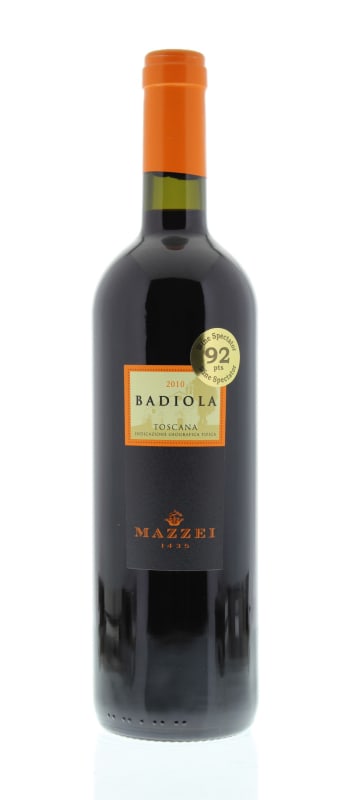


Winemaker Notes
Professional Ratings
-
Wine Spectator
Black cherry and currant flavors are accented by violet notes in this structured, muscular red. This shows density and grip, as the spice- and mineral-accented finish lingers. Best from 2014 through 2020.
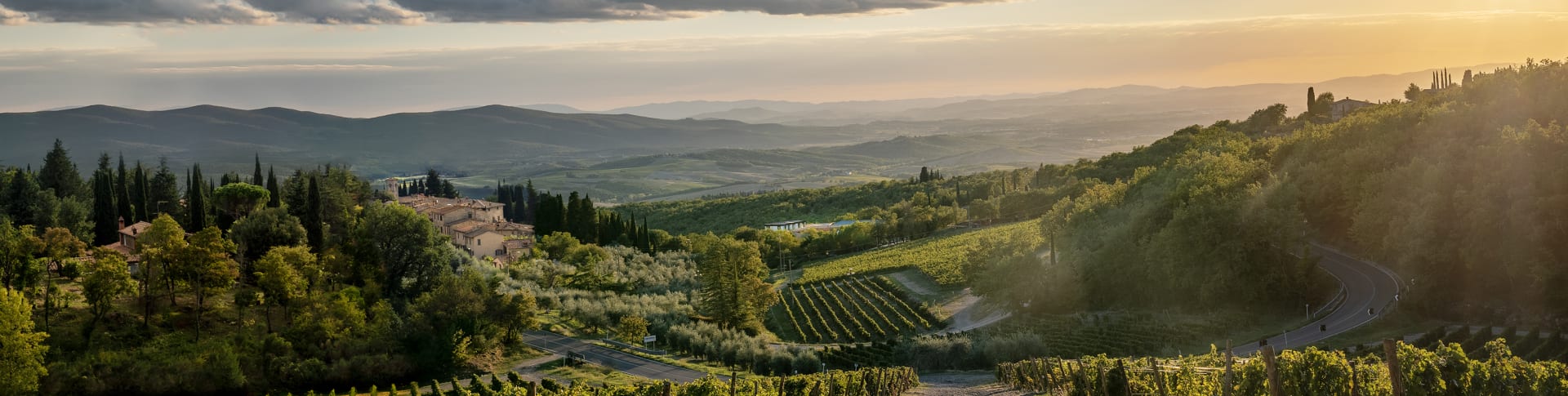





Established in 1435, the Mazzei family is one of Tuscany’s oldest wine dynasties and they have been cultivating vineyards and crafting fine wine for over 600 years in Fonterutoli in the heart of Chianti Classico. Leading the portfolio today are the Marchesi Mazzei, brothers Francesco and Filippo, as well as Filippo’s son Giovanni, the 25th generation. Notable ancestors include Ser Lapo Mazzei, author of the first known document (1398) using Chianti to reference the wine and region and Philip, an Italian turned American patriot whose friendship and correspondence with Thomas Jefferson inspired the idea that “all men are by nature equally free and independent,” which influenced the Declaration of Independence.
While the family has always honored their legacy, producing acclaimed wines of extraordinary aromatic richness, balance and complexity, they are also leaders in viticulture and vinification. The winery’s vineyards cover 110 hectares across 7 sub-zones of Chianti Classico featuring different soils, altitudes (720-1870 feet) and micro-climates. All their vineyards are farmed with customized organic practices that focus on soil health, preservation of biodiversity, reduction of copper use, and absorbing 5x more CO2 than is expressed out; a true commitment to reducing environmental impact and fostering sustainability. From their state-of-the-art low-impact, gravity fed cellar to their massal selections and clonal research, the current generation pursues innovation that elevates their wines and protects their ecosystem. This balance of preservation and evolution is also found in the family’s estates in Maremma (Belguardo) and Sicily (Zisola).
Italian Red Wine
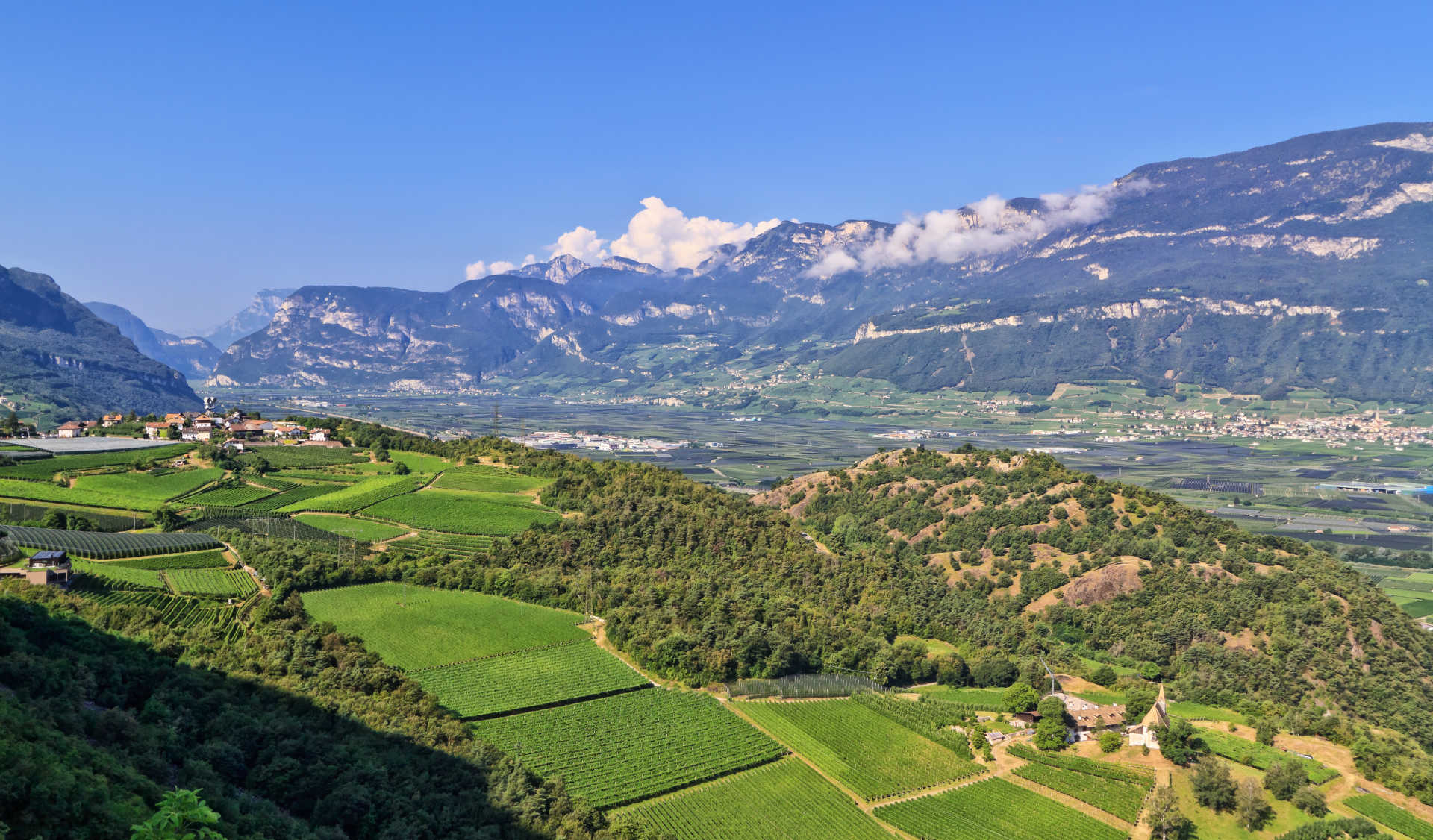
While picturesque hillsides, endless coastlines and a favorable climate serve to unify the grape-growing culture of this country. The apparent never-ending world of indigenous grape varieties gives Italy an unexampled charm and allure for its red wines. From the steep inclines of the Alps to the sprawling, warm, coastal plains of the south, red grape varieties thrive throughout.
The kings of Italy, wines like Barolo and Barbaresco (made of Nebbiolo), and Chianti and Brunello di Montalcino (made of Sangiovese), as well as Amarone (mostly Corvina), play center stage for the most lauded, collected and cellar-worthy reds. Less popular but entirely deserving of as much praise are the wines made from Aglianico, Sagrantino and Nerello Mascalese.
For those accustomed to drinking New World reds, the south is the place to start. Grapes like Negroamaro or Primitvo from Puglia and Nero d’Avola from Sicily make soft, ammicable, full-bodied, fruit-dominant wines. Curious palates should be on the lookout for Cannonau (Grenache), Lagrein, Teroldego, Ruché, Freisa, Cesanese, Schiopettino, Rossese and Gaglioppo to name a few.