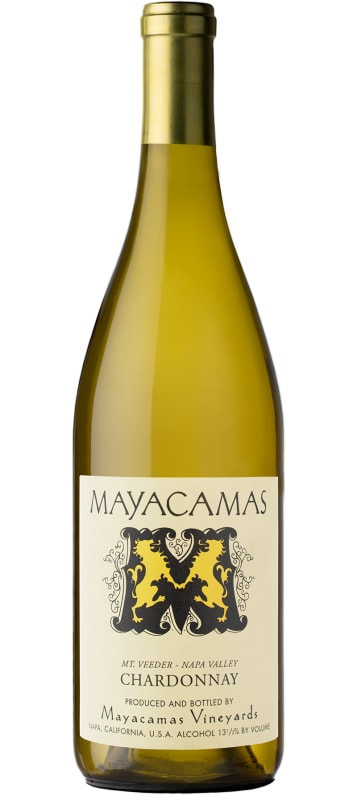


Winemaker Notes
The 2023 Chardonnay is a textural driven experience and a multi-layered wine with aromatics of white and yellow flowers. Tones of Anjou pear, Golden Delicious apple, and candied lemon peel engage the front of the palate. The mid-palate exhibits structure and depth with nuances of chamomile, yuzu citrus, and lemon-grass. The wine's finish is long and leaves the back palate with a saline and flint driven minerality.
Professional Ratings
-
James Suckling
This elegant, concentrated wine from a long, cool growing season is restrained, taut and fresh. It will be best with more time in the bottle, but it’s so fascinating now for the racy acidity and the mineral, almond and green apple flavors. It's tangy, medium-bodied, layered and linear in feel, with a texture that's mouthwatering. From organically grown grapes.
-
Vinous
The 2023 Chardonnay is a potent mountain Chardonnay endowed with tremendous phenolic structure and overall depth. Lemon peel, sage, mint, chamomile and dried flowers are front and center. Broad and imposing, with notable depth, the 2023 is a wine to cellar for at least a few years. Strong earthy and mineral inflections explode on the finish. The 2023 spent ten months in barrel prior to bottling, half in large-format oak.
-
Wine Spectator
Bold and generous, with intense flavors of grilled Meyer lemon, kumquat and pear, plus a touch of candied lemon peel. The vibrancy is supported by energetic acidity that gives focus and intensity, with notes of crushed stone, lemon balm and lemon verbena on the finish. Drink now through 2035. 2,260 cases made.


One of the most popular and versatile white wine grapes, Chardonnay offers a wide range of flavors and styles depending on where it is grown and how it is made. While it tends to flourish in most environments, Chardonnay from its Burgundian homeland produces some of the most remarkable and longest lived examples. California produces both oaky, buttery styles and leaner, European-inspired wines. Somm Secret—The Burgundian subregion of Chablis, while typically using older oak barrels, produces a bright style similar to the unoaked style. Anyone who doesn't like oaky Chardonnay would likely enjoy Chablis.

Centered at the peak for which it is named, Mount Veeder is Napa’s largest sub-AVA. But even though the entire appellation spreads over 16,000 acres, vineyards cover a mere 1,000. Scattered among Douglas firs and bristlecone pines, Mount Veeder vineyards extend south from the upper elevations of the Mayacamas Mountains—the highest point at 2,400 feet—to the border of the Carneros region. Less than 25 wineries produce wine from Mount Veeder fruit.
Winemaking began early in this appellation. In 1864, Captain Stelham Wing presented the first Mount Veeder wine to the Napa County Fair; it came from today’s Wing Canyon Vineyard. Prohibition, of course, halted winemaking and viticulture wasn’t revitalized until the founding of Mayacamas Vineyards in 1951 and Bernstein Vineyards in 1964.
The Bernstein Vineyards was actually home to the first Petit Verdot in California, planted in 1975. Today most of the Petit Verdot in Napa Valley originates from this vineyard.
Rocky volcanic clay and ancient seabed matter dominate Mount Veeder soils—perfect for Bordeaux varieties. Cabernet Sauvignon, Merlot, Malbec, Cabernet Franc and Petit Verdot enjoy spectacular success. These varieties produce wines rich in brambly blackberry and black cherry fruit with herbal and floral aromatics. Structures are moderate to assertive and wines have great staying power.
Chardonnay from Mount Veeder is lush, full and balanced mineral and fresh citrus flavors.