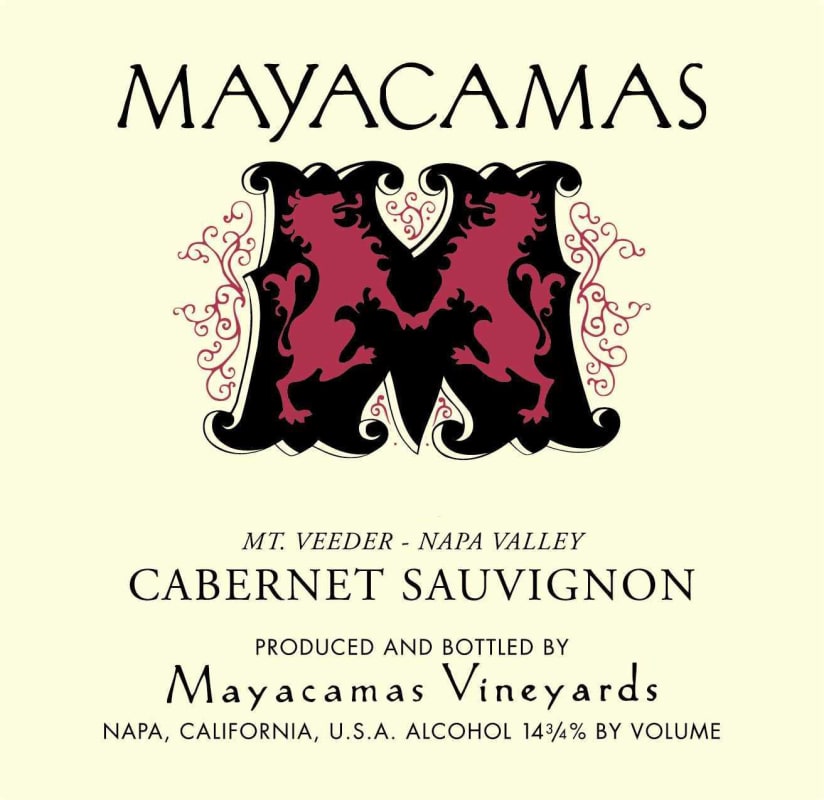

Winemaker Notes
#2 Wine Spectator Top 100 of 2019
The 2015 Cabernet Sauvignon has great elegance and power. Ripe raspberry and sarsaparilla highlight the aromatics on the nose. Layered notes of dried lavender and wet slate highlight both vineyard site and winemaking style. On the palate this wine's fresh acidity and gravelly minerality lead to great focus at the finish and compliment notes of fig, leather and cacao.
Professional Ratings
-
Wine Spectator
Youthfully compact, with tightly wound black currant, bitter plum and dark blueberry notes, this will need time to meld with the charcoal, bay leaf and tar streaks, but the mouthwatering cut on the finish suggests that won’t be a problem. Offers a long echo of juniper at the end. Best from 2023 through 2040.
-
James Suckling
Some ripe blue fruit with mushroom character. Hint of conifer, too. Medium to full body. Pretty, firm and creamy tannins. Needs two or three years to come completely together, but already beautiful. Drink after 2022.
-
Wine & Spirits
Andy Erickson and Braiden Albrecht made this wine, following many of the practices set in place by Bob Travers, including a relatively early harvest, fermentation in cement vats (along with some open-top foudres and stainless steel), and long aging in neutral oak (20 months in foudre, 12 months in barrique). Like newly released Mayacamas wines of the past, this 2015 makes no concessions for early drinking. It’s austere, meaty, beefy and tense, with tannins that recall the volcanic soils and conifer forests of Mount Veeder. Concentrated and green, this needs years to evolve in the bottle.


One of the most prestigious wines of the world capable of great power and grace, Napa Valley Cabernet is a leading force in the world of fine, famous, collectible red wine. Today the Napa Valley and Cabernet Sauvignon are so intrinsically linked that it is difficult to discuss one without the other. But it wasn’t until the 1970s that this marriage came to light; sudden international recognition rained upon Napa with the victory of the Stag’s Leap Wine Cellars 1973 Cabernet Sauvignon in the 1976 Judgement of Paris.
Cabernet Sauvignon undoubtedly dominates Napa Valley today, covering half of the land under vine, commanding the highest prices per ton and earning the most critical acclaim. Cabernet Sauvignon’s structure, acidity, capacity to thrive in multiple environs and ability to express nuances of vintage make it perfect for Napa Valley where incredible soil and geographical diversity are found and the climate is perfect for grape growing. Within the Napa Valley lie many smaller sub-AVAs that express specific characteristics based on situation, slope and soil—as a perfect example, Rutherford’s famous dust or Stags Leap District's tart cherry flavors.