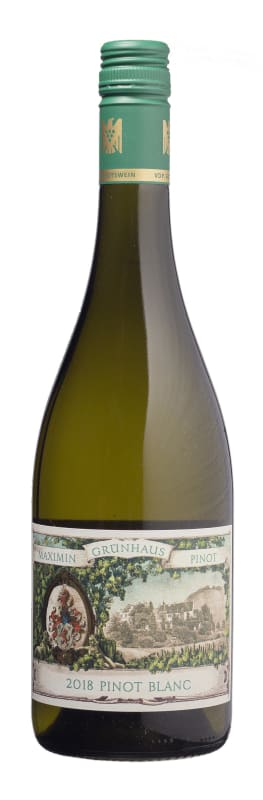


Winemaker Notes
At Maximin Grünhaus, Pinot Blanc grows exclusively in the upper portion of the Herrenberg, notable for its red slate soils. It is spontaneously fermented in neutral fuder casks produced from our own local oak. This ensures that the wood does not influence the taste of the fruitiness and freshness of the wine, although it does impart a refined structure and elegance.
Professional Ratings
-
James Suckling
A pretty pinot blanc with elderflower, chamomile and almond-blossom character. Soft and easygoing with a supple core of stone fruit and a medium finish.

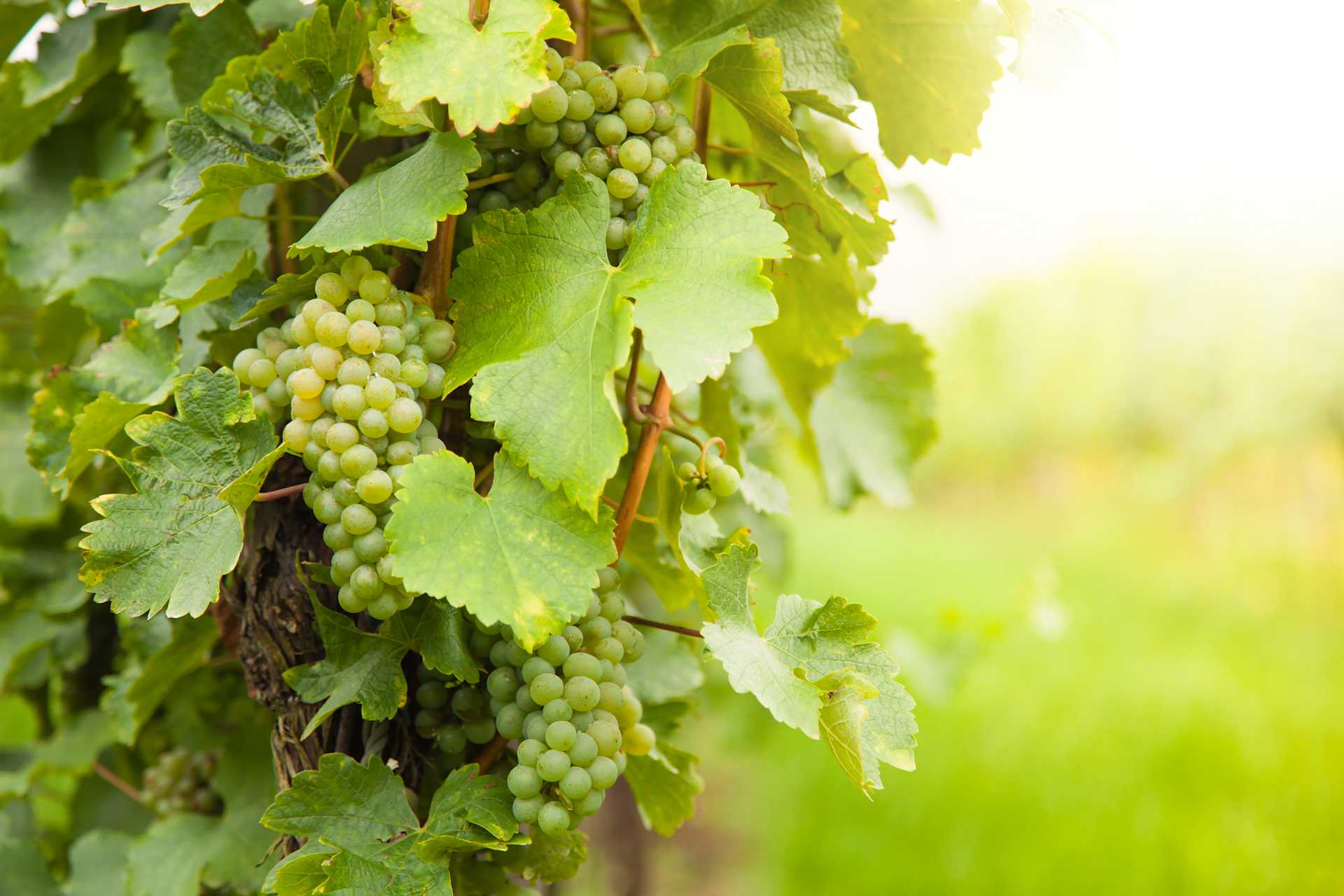
Approachable, aromatic and pleasantly plush on the palate, Pinot Blanc is a white grape variety most associated with the Alsace region of France. Although its heritage is Burgundian, today it is rarely found there and instead thrives throughout central Europe, namely Germany and Austria, where it is known as Weissburgunder and Alto Adige where it is called Pinot Bianco. Interestingly, Pinot Blanc was born out of a mutation of the pink-skinned Pinot Gris. Somm Secret—Chardonnay fans looking to try something new would benefit from giving Pinot Blanc a try.

Following the Mosel River as it slithers and weaves dramatically through the Eifel Mountains in Germany’s far west, the Mosel wine region is considered by many as the source of the world’s finest and longest-lived Rieslings.
Mosel’s unique and unsurpassed combination of geography, geology and climate all combine together to make this true. Many of the Mosel’s best vineyard sites are on the steep south or southwest facing slopes, where vines receive up to ten times more sunlight, a very desirable condition in this cold climate region. Given how many twists and turns the Mosel River makes, it is not had to find a vineyard with this exposure. In fact, the Mosel’s breathtakingly steep slopes of rocky, slate-based soils straddle the riverbanks along its entire length. These rocky slate soils, as well as the river, retain and reflect heat back to the vineyards, a phenomenon that aids in the complete ripening of its grapes.
Riesling is by far the most important and prestigious grape of the Mosel, grown on approximately 60% of the region’s vineyard land—typically on the desirable sites that provide the best combination of sunlight, soil type and altitude. The best Mosel Rieslings—dry or sweet—express marked acidity, low alcohol, great purity and intensity with aromas and flavors of wet slate, citrus and stone fruit. With age, the wine’s color will become more golden and pleasing aromas of honey, dried apricot and sometimes petrol develop.
Other varieties planted in the Mosel include Müller-Thurgau, Spätburgunder (Pinot Noir) and Weissburgunder (Pinot Blanc), all performing quite well here.