


Winemaker Notes
The Ribolla Gialla tastes like hazelnuts, baking spices, Meyer lemon curd, Bartlett pear, but most of all it has a stony minerality that is incredibly distinctive. There is supple tannic structure and fresh balanced acidity, with great weight and length given the moderate alcohol.
Professional Ratings
-
James Suckling
An orange wine made from white grapes, this has lots of grip on the palate, with assertive acidity and tooth-drying tannins. Not for the faint of heart, but a robust, muscular wine that can stand up to rich pork, pasta or buttery pasta dishes.

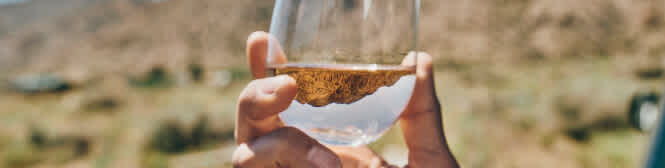
The exact origins of Ribolla Gialla remain unclear, though it most likely came to Friuli before the 1200s by way of Slovenia, where it goes by the moniker, Rebula. Blanketing vineyard hillsides along the Italian-Slovenian border, unconcerned about which side it is on, this pink-skinned variety creates a range of styles from the crisp, dry, still or sparkling whites to the charmingly ephemeral, skin-contact orange wines. Somm Secret—If you’re into orange wines, go visit Collio’s Oslavia and Slovenia’s Goriska Brda regions. They are so close you’ll hardly know you’ve gone from one to the other.

As one of Napa’s coolest sub-appellations, the area begs for diversity among its vineyards. Merlot and Chardonnay firmly compete with Cabernet Sauvignon for a place here. Some of Napa’s best Zinfandels also come from the Oak Knoll District.
Situated far in Napa’s southern end, Oak Knoll receives a strong cooling influence from both the San Pablo Bay and the Pacific Coast’s evening fog and breezes. Summer days are warm but on average ten degrees cooler than in St. Helena farther north up the valley; summer nights are chilly. A long growing season promotes for leisurely ripening of grape berries, resulting in an impressive balance of sugars, phenols and acidity.
Notable producers include Trefethen, one of the appellation’s oldest wineries, Robert Biale, legendary Zinfandel producer and Lewis Cellars, a family-run, hands-on establishment.