


Winemaker Notes
Roero's sandy marine soils allow for the preservation of acidity and successful farming of white varieties, especially the indigenous Arneis. Arneis in Piemontese dialect translates to 'little rascal' as it is a difficult grape to ripen. It loses acidity rapidly as it ripens making it difficult to preserve the fresh acidity which makes the wine so crisp and enjoyable. Correggia takes a unique approach with his Arneis to get the best from the fruit. He makes an early pass when the wine is just ripe to preserve the acidity and then goes back into the vineyards a week or two later as the fruit ripens to show a richer fruit profile. He then blends the lots together to make a wine with ripe melon and stone fruit along with tart green apple and citrus. All of these flavors dance over a firm mineral core.

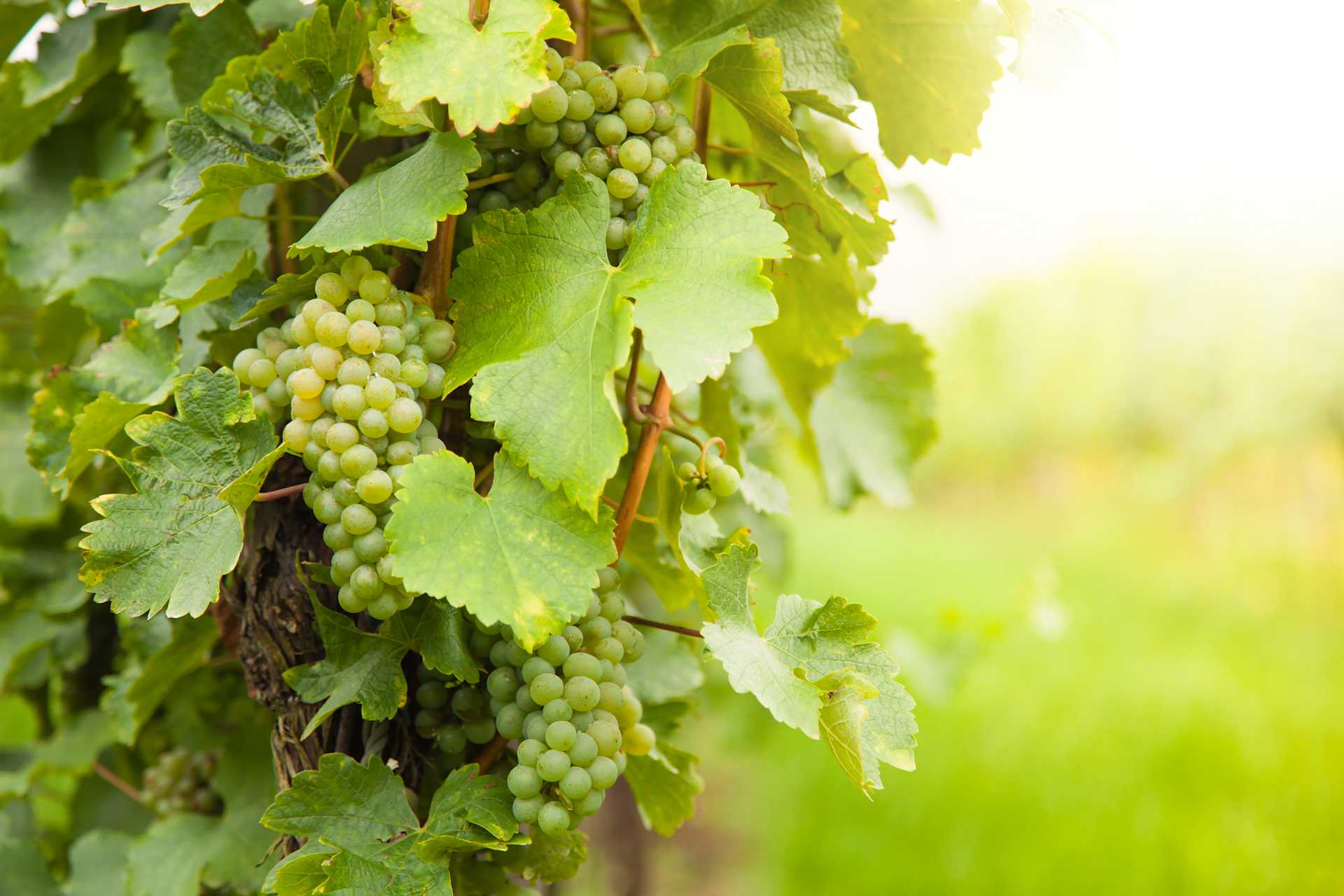
Yielding a dry and subtly scented wine, Arneis is the star white grape of Piedmont. Though the grape has been local to Roero since the 1400s, it didn’t experience real popularity until the 1980s when local demand for white wine exploded. Somm Secret—A few key Roero producers are also focusing on exploring the ageability of high quality Arneis. It is only grown outside of Piedmont to a very limited extent.

Even to this day, the Roero folklore lives on about witchcraft lurking behind its dramatic contours and obscure woods—but these stories only add to the region’s allure and charm. Actually today Roero winemakers are some of the most astute and motivated in Piedmont. While the white Arneis has attracted global attention for some time, now Roero Nebbiolo wines (elevated to the same DOCG status as Barolo and Barbaresco) are making a name for themselves. Keep an eye on any labeled with the vineyard, Valmaggiore, as Barolo producers have been investing here for years. If you’re looking for hidden gems, this is your region!