


Winemaker Notes
The 2019 Riccitelli Wines Blanco de la Casa is a pale yellow color with greenish hints. On the nose presents scents of boj, rue, green apples, hay and remarkable minerality. A wine with fluency, energy and complexity. Ideal to go with white meats.
Blend: 40% Sauvignon Blanc, 40% Semillon, 20% Chardonnay
Professional Ratings
-
Robert Parker's Wine Advocate
The entry-level white is the 2019 Blanco de la Casa, a blend of 40% Sauvignon Blanc from Gualtallary, 40% Sémillon from La Consulta and 20% Chardonnay from La Carrera, which gives the wine a touch of energy. It comes from a dry and cool vintage that resulted in limited alcohol and good acidity. He wanted to avoid the varietal character and have a blend this year that is really vibrant, with pungent acidity and minerality. All wines fermented with natural yeasts and no acidification. He looks for high-altitude vineyards for the whites. It's sharp and really tasty, bottled unoaked, so it comes through as complex, integrated and textured. It should develop nicely in bottle. 4,000 bottles produced. It was bottled unfiltered in September 2019, and it's a little cloudy, a constant with the whites from the vintage.

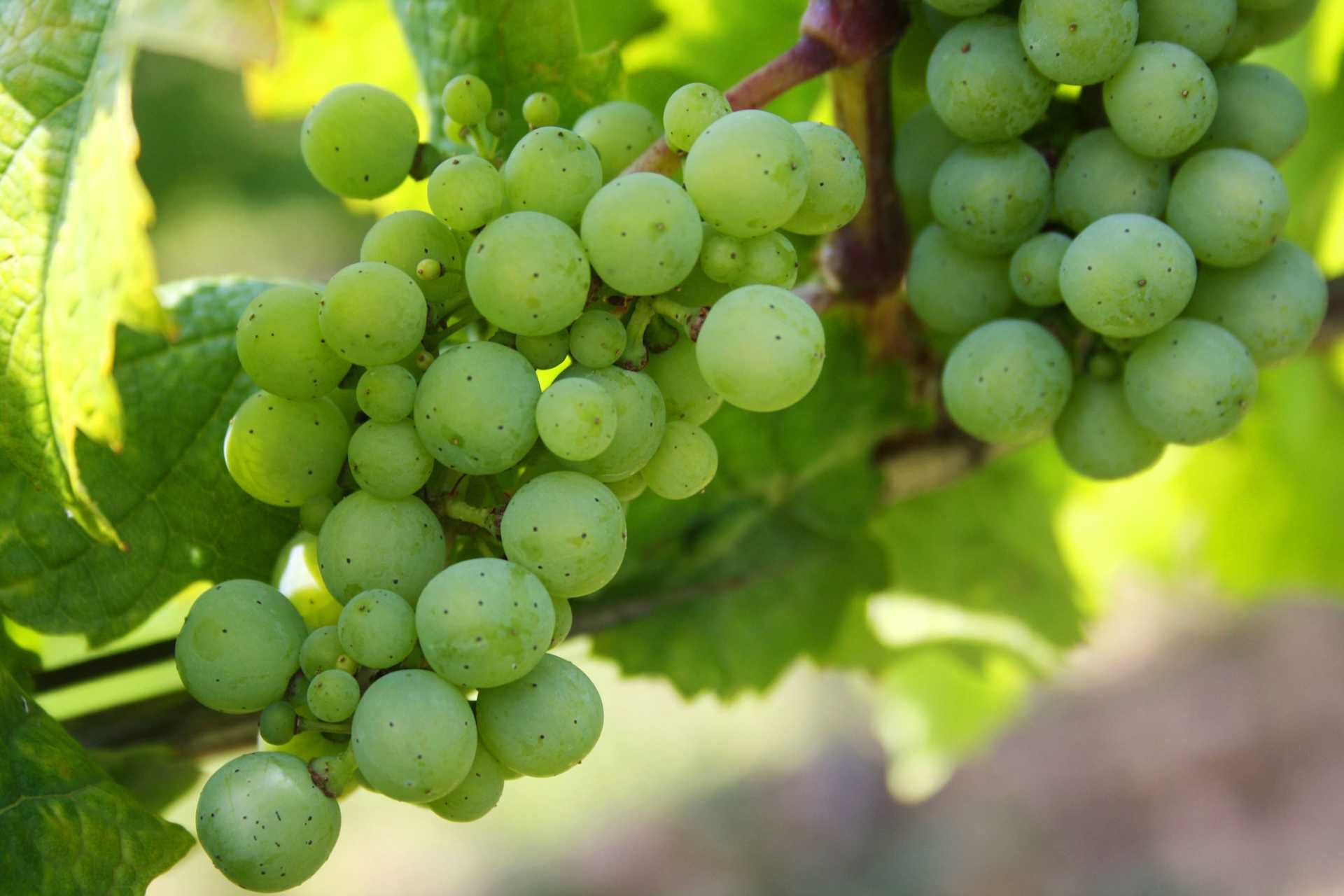
With hundreds of white grape varieties to choose from, winemakers have the freedom to create a virtually endless assortment of blended white wines. In many European regions, strict laws are in place determining the set of varieties that may be used in white wine blends, but in the New World, experimentation is permitted and encouraged. Blending can be utilized to enhance balance or create complexity, lending different layers of flavors and aromas. For example, a variety that creates a soft and full-bodied white wine blend, like Chardonnay, would do well combined with one that is more fragrant and naturally high in acidity. Sometimes small amounts of a particular variety are added to boost color or aromatics. Blending can take place before or after fermentation, with the latter, more popular option giving more control to the winemaker over the final qualities of the wine.

By far the largest and best-known winemaking province in Argentina, Mendoza is responsible for over 70% of the country’s enological output. Set in the eastern foothills of the Andes Mountains, the climate is dry and continental, presenting relatively few challenges for viticulturists during the growing season. Mendoza, divided into several distinctive sub-regions, including Luján de Cuyo and the Uco Valley, is the source of some of the country’s finest wines.
For many wine lovers, Mendoza is practically synonymous with Malbec. Originally a Bordelaise variety brought to Argentina by the French in the mid-1800s, here it found success and renown that it never knew in its homeland where a finicky climate gives mixed results. Cabernet Sauvignon, Syrah, Merlot and Pinot Noir are all widely planted here as well (and sometimes even blended with each other or Malbec). Mendoza's main white varieties include Chardonnay, Torrontés, Sauvignon Blanc and Sémillon.