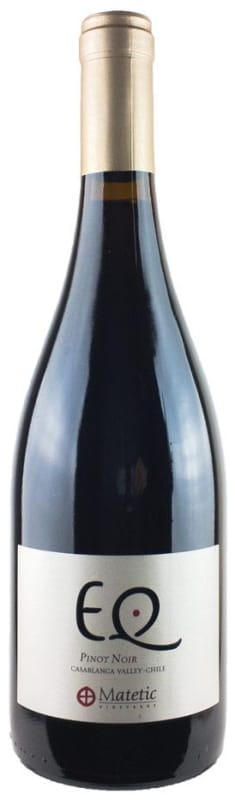


Winemaker Notes
This wine is ruby red with violet reflections. The nose offers red cherries, blueberries and spices. The palate is elegant and fresh with soft tannins. Its vibrant acidity gives a juicy, long and persistent aftertaste.
This wine is ideally served with oily fish, cheese, risottos, light red meat, poultry, pasta and spicy food.
Professional Ratings
-
Robert Parker's Wine Advocate
There are two Pinot Noirs in the EQ range from the balanced vintage of 2015, starting with the regular 2015 EQ Pinot Noir. It's produced with grapes from their coastal Valle Hermoso vineyard, the youngest vineyard that was organically farmed since the beginning and designed specifically to grow Pinot Noir on slopes rich in granite. The destemmed but uncrushed grapes fermented in open vats with 15% full clusters and indigenous yeasts. Malolactic was in Burgundy barrels, where the wine completed an aging of one year. There is a clear step up in complexity and depth compared with the Corralillo and also more freshness, from a vineyard that has contained yields and has more influence from the sea.


Thin-skinned, finicky and temperamental, Pinot Noir is also one of the most rewarding grapes to grow and remains a labor of love for some of the greatest vignerons in Burgundy. Fairly adaptable but highly reflective of the environment in which it is grown, Pinot Noir prefers a cool climate and requires low yields to achieve high quality. Outside of France, outstanding examples come from in Oregon, California and throughout specific locations in wine-producing world. Somm Secret—André Tchelistcheff, California’s most influential post-Prohibition winemaker decidedly stayed away from the grape, claiming “God made Cabernet. The Devil made Pinot Noir.”

Its rolling, coastal hills encouraged great investment in the 1990s from those in search of a cooler grape growing environment compared to those found in Chile’s Central Valley. All of the vineyards of the San Antonio Valley, which runs north to south and parallel to the coast, experience the cooling effect of the ocean and are made of vine-loving clay and granitic soils. While Sauvignon Blanc put this valley on the Chilean wine map, high quality Pinot Noir and Chardonnay are emerging and some producers are starting to experiment with sparkling wine.