


Winemaker Notes
Fresh and lively, this Greco di Tufo sees only stainless steel to preserve its ripe fruit flavors. Straw yellow. Complex aromas of citrus fruits, peach, pineapple, apricot, and lime. Structured and elegant on the palate, with lovely minerality.
Professional Ratings
-
Robert Parker's Wine Advocate
This white wine shows an easy approach with a tight embroidery of orchard fruit, apple, light spice and poached pear. The Mastroberardino 2023 Greco di Tufo NovaSerra is an easy-drinking white that delivers good freshness.
-
Wine Spectator
A light-bodied white, well-cut by snappy acidity and a tang of salinity, this offers layers of poached peach, orange curd and pastry cream flavors. Delicate herb and spice notes play on the creamy finish. Drink now. 5,833 cases made, 1,000 cases imported.

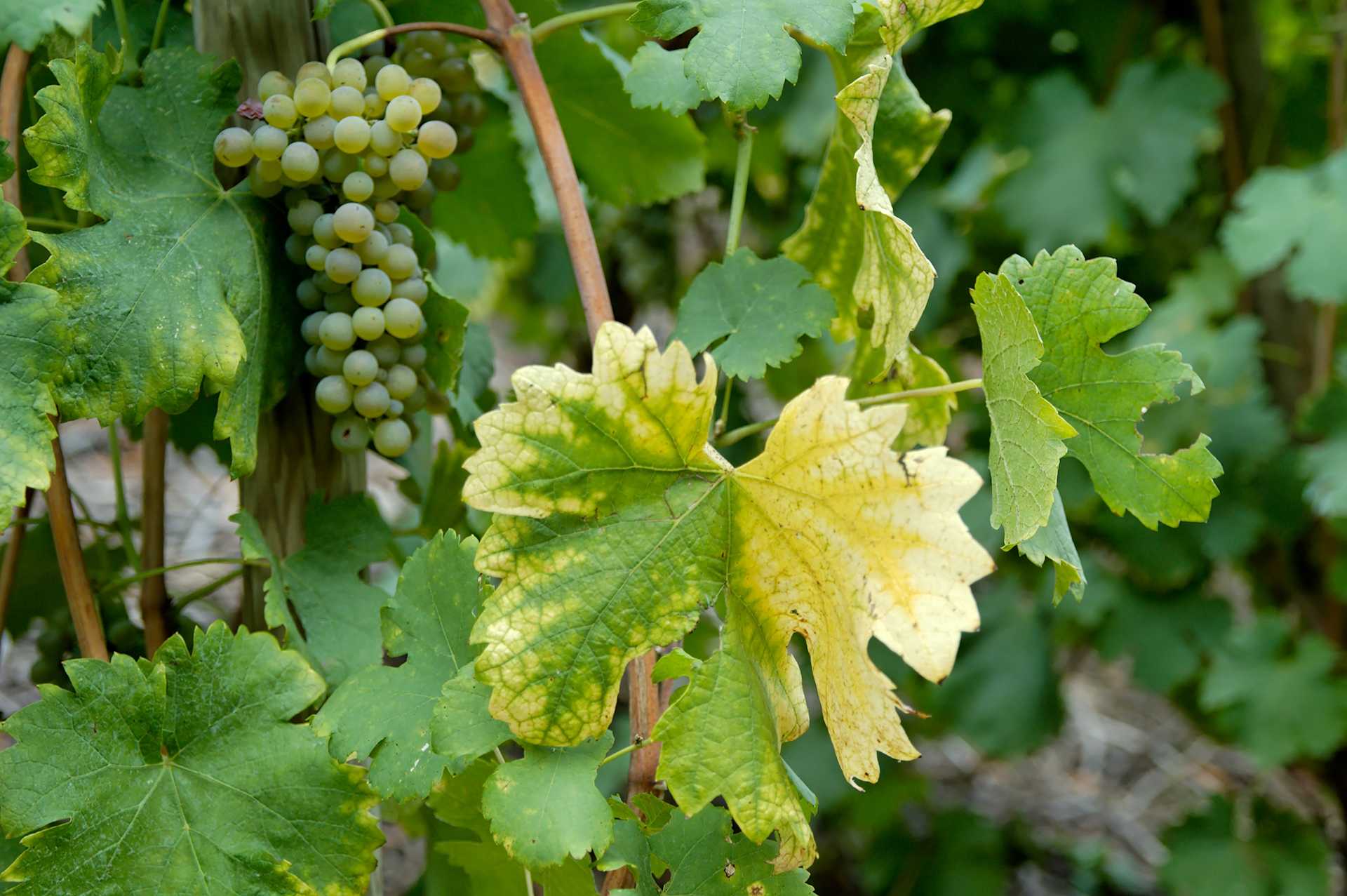
A late-ripening, medium-bodied variety from Campania, Greco delivers a relatively high acidity and flaunts an invigorating mineral character alongside fresh citrus, stone fruitand herb flavors. Somm Secret—The name Tufo comes from the soft, volcanic rock found all over in the subsoil of the region where Greco thrives.

A winemaking renaissance is underfoot in Campania as more and more small, artisan and family-run wineries redefine their style with vineyard improvements and cellar upgrades. The region boasts a cool Mediterranean climate with extreme coastal, as well as high elevation mountain terroirs. It is cooler than one might expect in Campania; the region usually sees some of the last harvest dates in Italy.
Just south of Mount Vesuvio, the volcanic and sandy soils create aromatic and fresh reds based on Piedirosso and whites, made from Coda di Volpe and Falanghina. Both reds and whites go by the name, Lacryma Christi, meaning the "tears of Christ." South of Mount Vesuvio, along the Amalfi Coast, the white varieties of Falanghina and Biancolella make fresh, flirty, mineral-driven whites, and the red Piedirosso and Sciasinoso vines, which cling to steeply terraced coastlines, make snappy and ripe red wines.
Farther inland, as hills become mountains, the limestone soil of Irpinia supports the whites Fiano di Avellino, Falanghina and Greco di Tufo as well as the most-respected red of the south, Aglianico. Here the best and most age-worthy examples come from Taurasi.
Farther north and inland near the city of Benevento, the Taburno region also produces Aglianico of note—called Aglianico del Taburno—on alluvial soils. While not boasting the same heft as Taurasi, these are also reliable components of any cellar.