


Winemaker Notes
#24 Wine Enthusiast Top 100 of 2018
The 2017 vintage in Napa will always be remembered because of the wildfires that began on the evening of Sunday, October 8. Massican was very fortunate that not only were all of its grapes harvested before the fires broke out but also that the vineyards were spared from harm. However, Massican cannot say that for all its neighbors who have been impacted by this tragedy. The ANNIA in this vintage shows the quiet side of her persona an opportunity to remain thoughtful and thankful for all the good graces Massican receives not only this year but every year.
Blend: 55% Ribolla Gialla, 39% Tocai Friulano, 6% Chardonnay
Professional Ratings
-
James Suckling
The is a gorgeous white, made primarily from Italian white grapes, such as ribolla gialla and friulano. And it is a gem of a bottle! Medium to full body with honey, dried mangoes and peaches with phenolic tension and focus. Flavorful finish. Drink or hold.
-
Wine Enthusiast
This is a refreshingly stunning blend of 55% Ribolla Gialla, 39% Tocai Friulano and 6% Chardonnay, the latter (from Hyde Vineyard) finding unexpected companionship with its Napa-grown Italian counterparts. Waxy and floral, it tastes of green apple and white peach, with a plush midpalate and lasting tension of vibrant acidity.
-
Wine Spectator
A complex and inviting white, showing intricate nuances of roasted almond, matcha, honeysuckle and orange zest, mingling with supple, juicy Asian pear, tangerine and ripe melon notes. The smooth texture and a thread of acidity add to the appeal. Ribolla Gialla, Tocai Friulano and Chardonnay. Drink now.

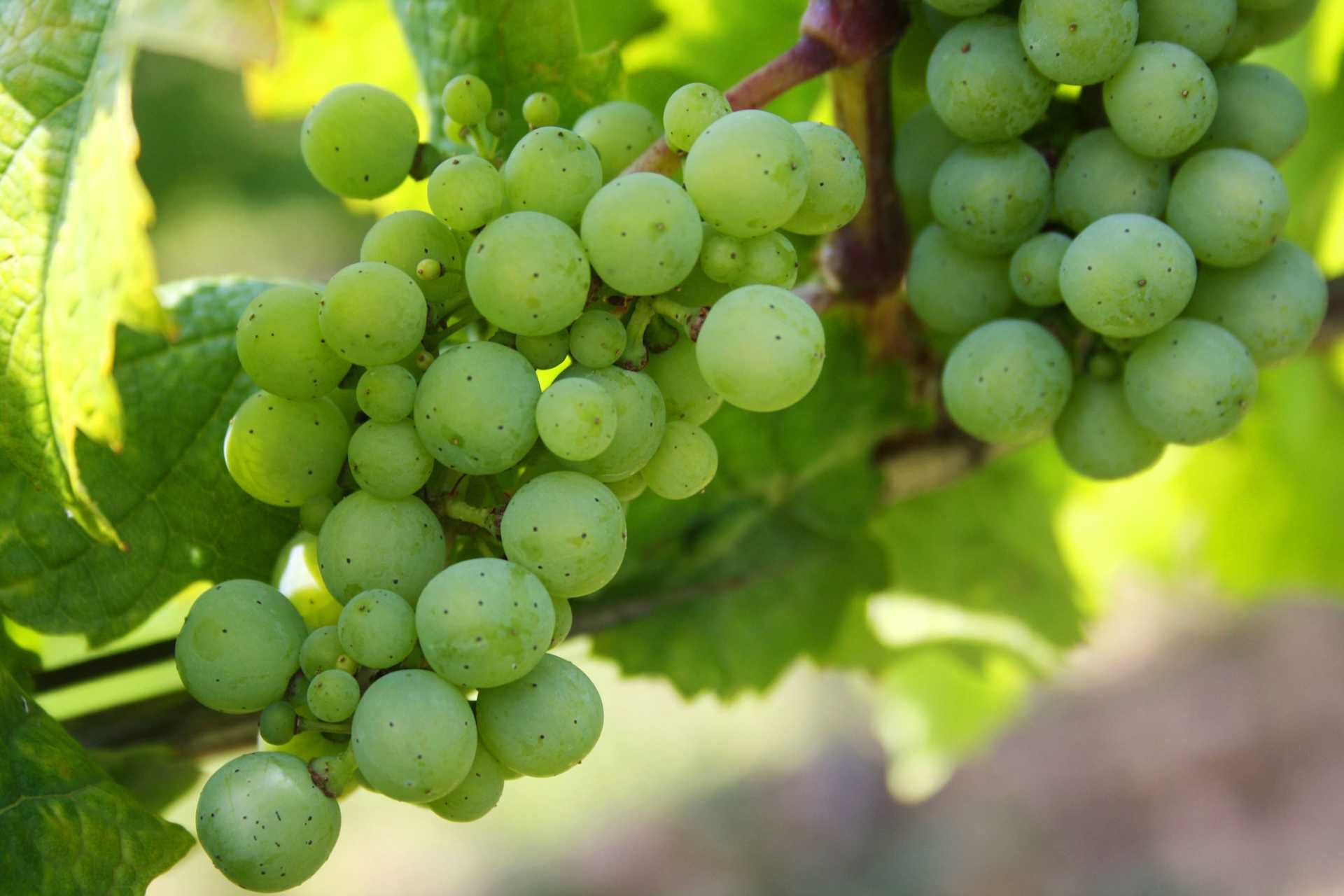
With hundreds of white grape varieties to choose from, winemakers have the freedom to create a virtually endless assortment of blended white wines. In many European regions, strict laws are in place determining the set of varieties that may be used in white wine blends, but in the New World, experimentation is permitted and encouraged. Blending can be utilized to enhance balance or create complexity, lending different layers of flavors and aromas. For example, a variety that creates a soft and full-bodied white wine blend, like Chardonnay, would do well combined with one that is more fragrant and naturally high in acidity. Sometimes small amounts of a particular variety are added to boost color or aromatics. Blending can take place before or after fermentation, with the latter, more popular option giving more control to the winemaker over the final qualities of the wine.

One of the world's most highly regarded regions for wine production as well as tourism, the Napa Valley was responsible for bringing worldwide recognition to California winemaking. In the 1960s, a few key wine families settled the area and hedged their bets on the valley's world-class winemaking potential—and they were right.
The Napa wine industry really took off in the 1980s, when producers scooped up vineyard lands and planted vines throughout the county. A number of wineries emerged, and today Napa is home to hundreds of producers ranging from boutique to corporate. Cabernet Sauvignon is definitely the grape of choice here, with many winemakers also focusing on Bordeaux blends. White wines from Napa Valley are usually Chardonnay and Sauvignon Blanc.
Within the Napa Valley lie many smaller sub-AVAs that claim specific wine characteristics based on situation, slope and soil. Farthest south and coolest from the influence of the San Pablo Bay is Carneros, followed by Coombsville to its northeast and then Yountville, Oakville and Rutherford. Above those are the warm St. Helena and the valley's newest and hottest AVA, Calistoga. These areas follow the valley floor and are known generally for creating rich, dense, complex and smooth red wines with good aging potential. The mountain sub appellations, nestled on the slopes overlooking the valley AVAs, include Stags Leap District, Atlas Peak, Chiles Valley (farther east), Howell Mountain, Mt. Veeder, Spring Mountain District and Diamond Mountain District. Napa Valley wines from the mountain regions are often more structured and firm, benefiting from a lot of time in the bottle to evolve and soften.