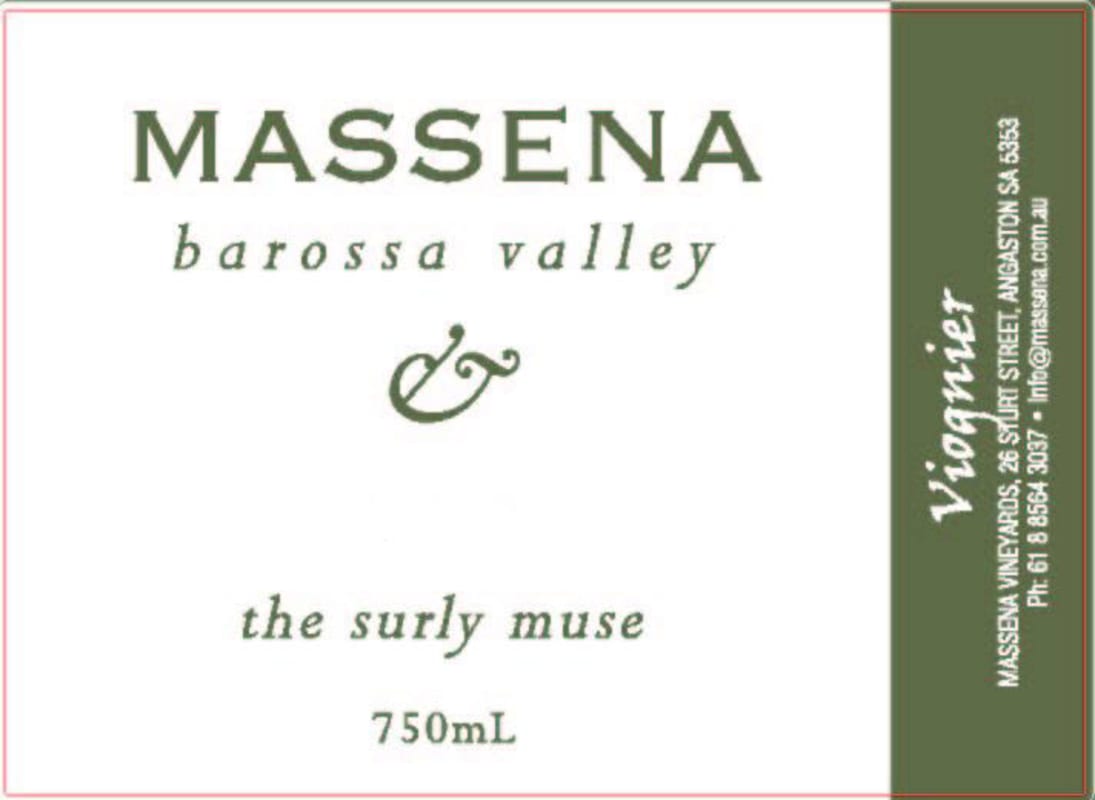

Winemaker Notes
The grapes for 'the surly muse' are sourced from a single site in the Koonunga Hill sub-region, adjacent to our blocks of old vine Mataro and Grenache. This is one of the coolest regions of the Barossa Valley with an altitude of over 300 metres above sea level. Koonunga Hill is renowned for its deep red, heavy clay soils. We harvest the block at two different stages (up to four weeks apart). The early pick giving the wine great natural acidity and green tinges, whilst the later yields the rich and ripe fruit flavours usually associated with Viognier. Fermentation and ageing of the Viognier was completed ‘surlie' (on lees) in French Barriques for 6 months.
The wine is pale gold in color with bright green highlights. The nose displays aromas of apricots, honeysuckle, wild fennel and grapefruit. The palate is rich yet restrained, with succulent tropical flavours that are matched with fresh acidity, a taught band of minerality and a creamy texture.

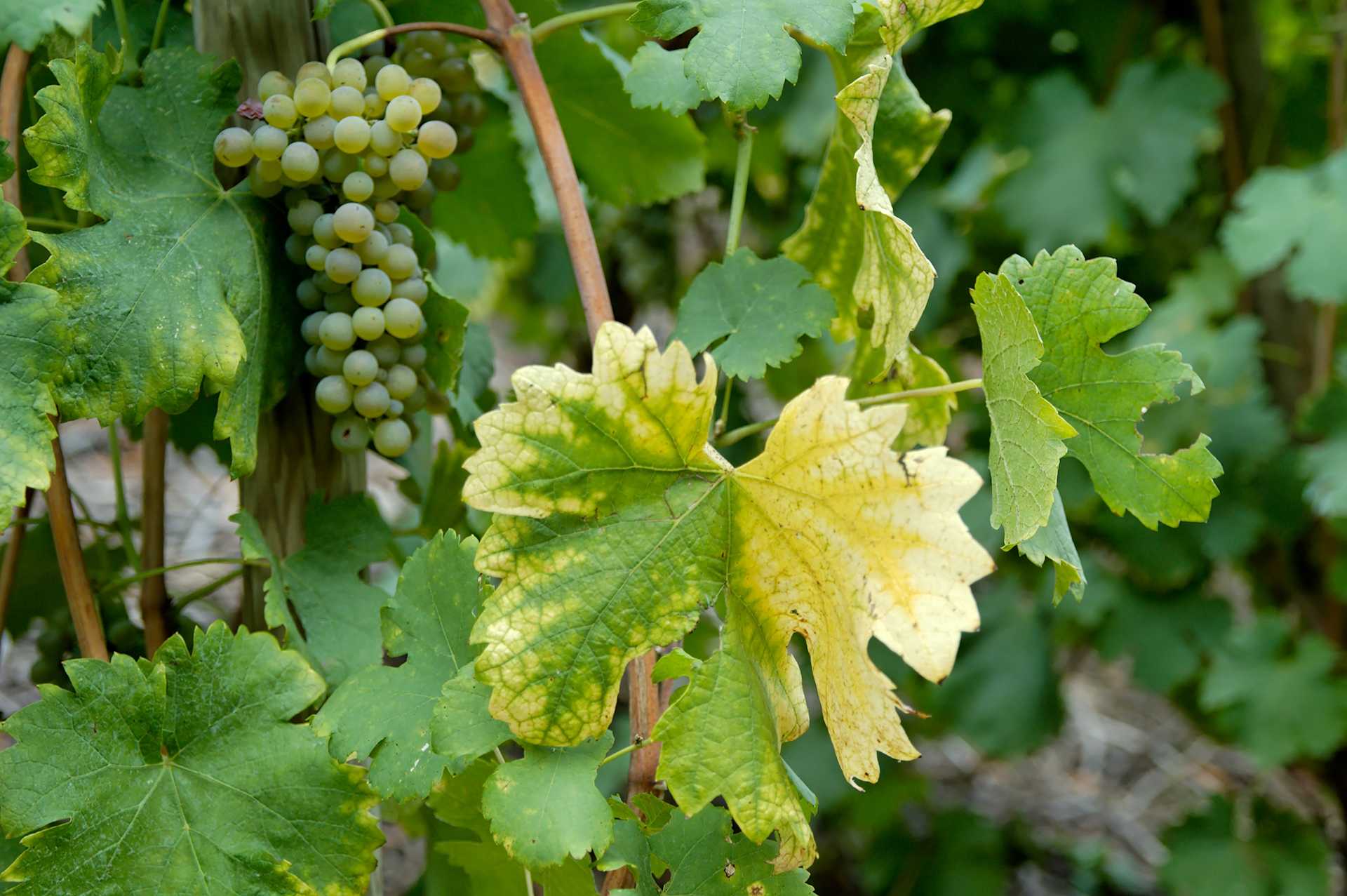
Full-figured and charmingly floral, Viognier is one of the most important white grapes of the northern Rhône where it is used both to produce single varietal wines and as an important blending grape. Look for great New World examples from California, Oregon, Washington and cooler parts of Australia. Somm Secret—Viognier plays a surprisingly important role in the red wines of Côte Rôtie in the northern Rhône. About 5% Viognier is typically co-fermented with the Syrah in order to stabilize the color, and as an added benefit, add a subtle perfume.

Historically and presently the most important wine-producing region of Australia, the Barossa Valley is set in the Barossa zone of South Australia, where more than half of the country’s wine is made. Because the climate is very hot and dry, vineyard managers work diligently to ensure grapes reach the perfect levels of phenolic ripeness.
The intense heat is ideal for plush, bold reds, particularly Shiraz on its own or Rhône Blends. Often Shiraz and Cabernet partner up for plump and powerful reds.
While much less prevalent, light-skinned varieties such as Riesling, Viognier or Semillon produce vibrant Barossa Valley whites.
Most of Australia’s largest wine producers are based here and Shiraz plantings date back as far as the 1850s or before. Many of them are dry farmed and bush trained, still offering less than one ton per acre of inky, intense, purple juice.