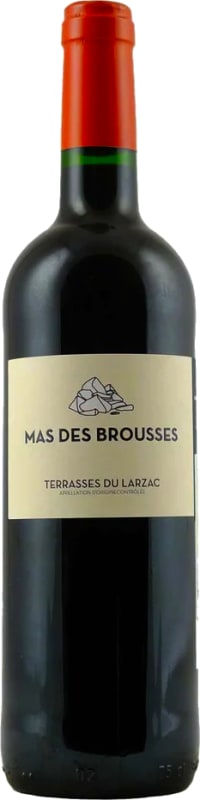


Winemaker Notes
Intensely flavored but light on its feet, this Terrasses de Larzac has vibrant aromas of black cherries and garrique followed by lovely depth and balance on the palate. The Mourvedre is massale selection from Xavier Peyraud's family vines at Domaine Tempier in Bandol. No surprise, this wine is delicious now, but built to last 15 to 20 years.
Blend: 50% Mourvedre, 30% Syrah, 20% Grenache


With hundreds of red grape varieties to choose from, winemakers have the freedom to create a virtually endless assortment of blended red wines. In many European regions, strict laws are in place determining the set of varieties that may be used, but in the New World, experimentation is permitted and encouraged resulting in a wide variety of red wine styles. Blending can be utilized to enhance balance or create complexity, lending different layers of flavors and aromas. For example, a red wine blend variety that creates a fruity and full-bodied wine would do well combined with one that is naturally high in acidity and tannins. Sometimes small amounts of a particular variety are added to boost color or aromatics. Blending can take place before or after fermentation, with the latter, more popular option giving more control to the winemaker over the final qualities of the wine.
How to Serve Red Wine
A common piece of advice is to serve red wine at “room temperature,” but this suggestion is imprecise. After all, room temperature in January is likely to be quite different than in August, even considering the possible effect of central heating and air conditioning systems. The proper temperature to aim for is 55° F to 60° F for lighter-bodied reds and 60° F to 65° F for fuller-bodied wines.
How Long Does Red Wine Last?
Once opened and re-corked, a bottle stored in a cool, dark environment (like your fridge) will stay fresh and nicely drinkable for a day or two. There are products available that can extend that period by a couple of days. As for unopened bottles, optimal storage means keeping them on their sides in a moderately humid environment at about 57° F. Red wines stored in this manner will stay good – and possibly improve – for anywhere from one year to multiple decades. Assessing how long to hold on to a bottle is a complicated science. If you are planning long-term storage of your reds, seek the advice of a wine professional.

Created in 2014 to showcase the unique quality of its wines, Terrasses du Larzac actually has a wine heritage over a millennium old. This red-only appellation is defined by its place at the base of the Larzac plateau northeast of Montpellier in the Languedoc. A wide range of soils—limestone, scree, sand, iron-rich clay—and one of the widest diurnal temperature variations in the world allow even berry ripening and fabulous complexity in the wines.
Terrasses du Larzac wines must be composed of at least three grapes, and may include Grenache, Syrah, Mourvédre, Cinsault and Carignan. Known for their intensity and concentration of dark berry fruit, influenced by the thyme, lavender and other herbs of the garrigue, the region’s basic reds make for succulent, food-friendly bistro wines. The best of Terrasses du Larzac (Montpeyroux, Aniane, and Mont Baudile are particularly noteworthy sites) will improve for decades, and are among the hidden gems of the wine world.