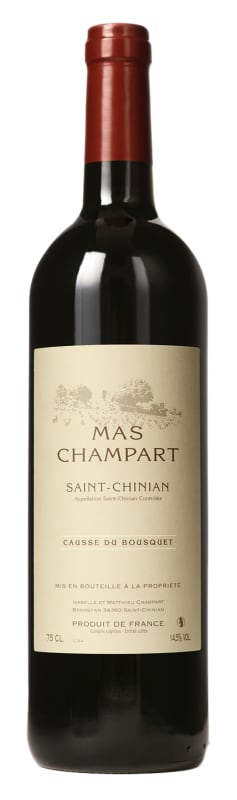


Winemaker Notes
Blend: 74% Syrah, 10% Carignan, 6% Grenache, 6% Mourvedre, 4% Cinsault
Professional Ratings
-
Robert Parker's Wine Advocate
From one of my favorite producers, the 2014 Saint Chinian Causse de Bousquet comes from tiny yields and checks in as a blend of 60% Syrah, 20% Grenache and the balance Mourvèdre and Carignan, with the Syrah aged in Burgundy barrels and the rest in demi-muids and tank. It offers an open, forward, sexy style to go with lots of black raspberries, crushed violets and leather aromas and flavors. Some hefty tannin kick in on the finish, so either drink it with food or give bottles a year or so.


With bold fruit flavors and accents of sweet spice, Grenache, Syrah and Mourvèdre form the base of the classic Rhône Red Blend, while Carignan, Cinsault and Counoise often come in to play. Though they originated from France’s southern Rhône Valley, with some creative interpretation, Rhône blends have also become popular in other countries. Somm Secret—Putting their own local spin on the Rhône Red Blend, those from Priorat often include Merlot and Cabernet Sauvignon. In California, it is not uncommon to see Petite Sirah make an appearance.

An extensive appellation producing a diverse selection of good quality and great values, Languedoc spans the Mediterranean coast from the Pyrenees mountains of Roussillon all the way to the Rhône Valley. Languedoc’s terrain is generally flat coastal plains, with a warm Mediterranean climate and frequent risk of drought.
Virtually every style of wine is made in this expansive region. Most dry wines are blends with varietal choice strongly influenced by the neighboring Rhône Valley. For reds and rosés, the primary grapes include Grenache, Syrah, Carignan, Cinsault and Mourvèdre. White varieties include Grenache Blanc, Muscat, Ugni Blanc, Vermentino, Macabéo, Clairette, Piquepoul and Bourbelenc.
International varieties are also planted in large numbers here, in particular Chardonnay, Sauvignon Blanc and Cabernet Sauvignon.
The key region for sparkling wines here is Limoux, where Blanquette de Limoux is believed to have been the first sparkling wine made in France, even before Champagne. Crémant de Limoux is produced in a more modern style.