


Winemaker Notes
Frizzante wine is a lower pressure than Spumante. The bubbles are a result of the addition of tirage – in this case 15-25 g/l concentrated grape must is added as part of the liqueur d’expedition before secondary fermentation. From the foothills of the Alps on the east side of the province of Vicenza, vineyards planted upwards of 30 years ago bear fruit of the Glera and Garganega grapes. The winery works sustainably, and in concert with the local eco-system. Grasses and flowers grow between the rows. Sofia Brescia is a name given to honor to previous generation of wine growers, many of who were women that have been forgotten by historical naming conventions.
Professional Ratings
-
Wine Enthusiast
This fun wine is full of enticing aromas that get the senses firing on all cylinders. Aromas of fresh lemon, lemon oil and wet slate with a leesy yeast note pour from the glass. The palate is packed with fresh, ripe orchard fruits and yellow roses to finish with a bright pop of acidity.


A term typically reserved for Champagne and Sparkling Wines, non-vintage or simply “NV” on a label indicates a blend of finished wines from different vintages (years of harvest). To make non-vintage Champagne, typically the current year’s harvest (in other words, the current vintage) forms the base of the blend. Finished wines from previous years, called “vins de reserve” are blended in at approximately 10-50% of the total volume in order to achieve the flavor, complexity, body and acidity for the desired house style. A tiny proportion of Champagnes are made from a single vintage.
There are also some very large production still wines that may not claim one particular vintage. This would be at the discretion of the winemaker’s goals for character of the final wine.
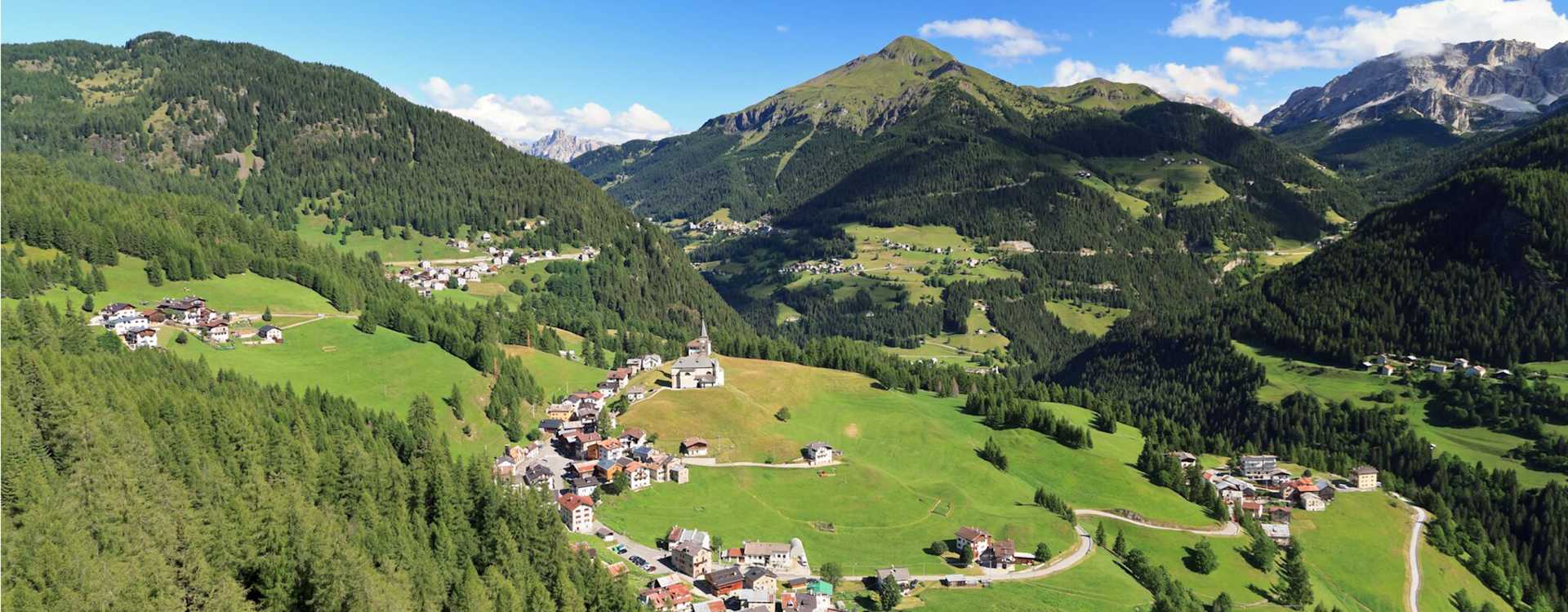
Producing every style of wine and with great success, the Veneto is one of the most multi-faceted wine regions of Italy.
Veneto's appellation called Valpolicella (meaning “valley of cellars” in Italian) is a series of north to south valleys and is the source of the region’s best red wine with the same name. Valpolicella—the wine—is juicy, spicy, tart and packed full of red cherry flavors. Corvina makes up the backbone of the blend with Rondinella, Molinara, Croatina and others playing supporting roles. Amarone, a dry red, and Recioto, a sweet wine, follow the same blending patterns but are made from grapes left to dry for a few months before pressing. The drying process results in intense, full-bodied, heady and often, quite cerebral wines.
Soave, based on the indigenous Garganega grape, is the famous white here—made ultra popular in the 1970s at a time when quantity was more important than quality. Today one can find great values on whites from Soave, making it a perfect choice as an everyday sipper! But the more recent local, increased focus on low yields and high quality winemaking in the original Soave zone, now called Soave Classico, gives the real gems of the area. A fine Soave Classico will exhibit a round palate full of flavors such as ripe pear, yellow peach, melon or orange zest and have smoky and floral aromas and a sapid, fresh, mineral-driven finish.
Much of Italy’s Pinot grigio hails from the Veneto, where the crisp and refreshing style is easy to maintain; the ultra-popular sparkling wine, Prosecco, comes from here as well.