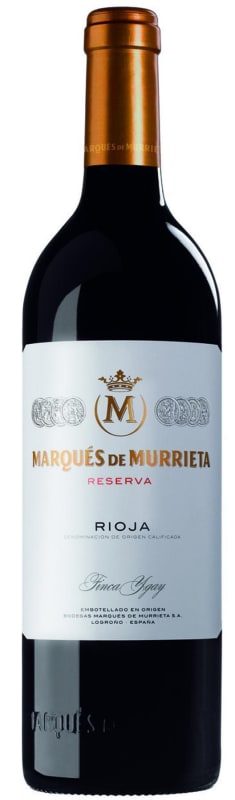


Winemaker Notes
Pair with steamed and grilled hake loin, prawns with their coral and truffle aroma; baked unsalted cod with onion and green peppers; grilled beef tenderloin, green asparagus and carrot purée; creamy carnaroli rice with truffles and foiemi - cuit; selection of creamy and blue cheeses, red wine compote and sour cherries.
Blend: 84% Tempranillo, 9% Graciano, 5% Mazuelo, 2% Garnacha
Professional Ratings
-
Robert Parker's Wine Advocate
The blend of the 2014 Rioja Reserva is very similar to the 2013, 84% Tempranillo with 9% Graciano, 5% Mazuelo and 2% Garnacha. 2014 was a somewhat-challenging vintage, with warm and cold spells and some rain during the summer. The fermentation usually lasts eight days with pigéage and remontage, pressed and put to age in 225-liter American oak barrels for 19 months. This is still a little young and has had less time in bottle. It might need a little bit more time in bottle. The nose is subtle and very harmonious, with aromas of red cherries and some aromatic herbs. The palate is soft, it has a velvety texture with polished, round tannins, and there is a subtlety and harmony that is laudable. 900,000 bottles produced. It was bottled in seven lots between July and September 2017
-
Wine Spectator
This red has a lovely texture, polished and deep. The flavors are a bit muted, but reveal notes of cherry preserves, candied orange, dried herbs and vanilla, with light, firm tannins and orange peel acidity. Harmonious, in the traditional style. Drink now through 2026.






Hailed as the star red variety in Spain’s most celebrated wine region, Tempranillo from Rioja, or simply labeled, “Rioja,” produces elegant wines with complex notes of red and black fruit, crushed rock, leather, toast and tobacco, whose best examples are fully capable of decades of improvement in the cellar.
Rioja wines are typically a blend of fruit from its three sub-regions: Rioja Alta, Rioja Alavesa and Rioja Oriental, although specific sub-region (zonas), village (municipios) and vineyard (viñedo singular) wines can now be labeled. Rioja Alta and Alavesa, at the highest elevations, are considered to be the source of the brightest, most elegant fruit, while grapes from the warmer and drier, Rioja Oriental, produce wines with deep color, great body and richness.