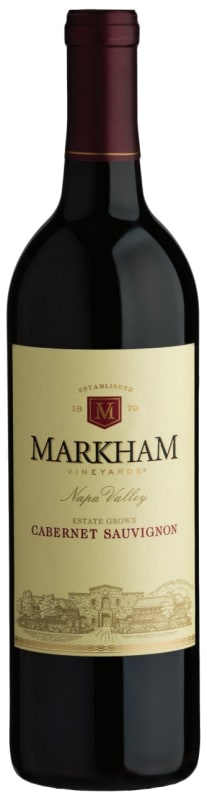


Winemaker Notes
Delicate violet and Satsuma plum aromas are layered with a hint of bay leaf allowing our Calistoga estate to shine. Not one to take a back seat, the power of our Yountville estate pumps this wine full of boysenberry jam, dark chocolate and graphite flavors. Built for age, this 2015 is bright and rambunctious but still melts across the palate with milk chocolate silkiness. Well balanced oak gives structure and is highlighted by caramel, mocha and baking spices found in the glass. Braised short ribs simmered on the stove all day and piled high on a bed of buttery mashed potatoes would have us in heaven as the perfect pairing.
Professional Ratings
-
Robert Parker's Wine Advocate
The 2015 Cabernet Sauvignon, blended of 90% Cabernet Sauvignon, 6% Cabernet Franc and 4% Petit Verdot, is deep garnet-purple colored and sashays out of the glass with seducing notes of warm blackberries, black raspberries and crème de cassis plus nuances of candied violets, cinnamon toast, cloves and forest floor with a waft of pencil shavings. Medium to full-bodied, the palate has a great core of layered mid-palate fruit and ripe, grainy tannins, finishing very long and spicy.
-
Wine Spectator
Showy cassis, linzer torte and plum reduction notes form the core in this frankly ripe version, which drips with melted licorice, fruitcake and mulling spice accents on the creamy finish. Drink now through 2023.




For 45 years, Markham Vineyards has been a leader in crafting world-class Bordeaux varietals in Napa Valley, with Merlot taking center stage. They honor the heritage of the remarkable Napa Valley wine growing region with every grape grown, every wine bottled, every sip savored. From decades of sustainable farming to our unwavering passion for Merlot, they celebrate the adventurous spirit of Napa while embracing the unique voice of the land. "Merlot is the flagship wine here at Markham. With 260 acres of sustainably farmed vineyards and land, each of our Merlot wines are reflective of the distinctive AVAs across the Napa Valley," Kimberlee Nicholls, Winemaker. Each of their exceptional wines is a nuanced expression of the region's character, born of the soil and nurtured with respect for yesterday's successes and a passion for tomorrow's discoveries.
Markham has always embodied a spirit of creativity and collaboration. From building the iconic stone cellar, to firing a cannon annually in the vineyards, to crafting their signature Merlot, the Markham story continues to evolve, grow and be enriched by each voice's unique mark of character.
WOMEN-LED WINEMAKING & VITICULTURE TEAM
Markham is honored to have Winemaker Kimberlee Nicholls at the helm of the Markham winemaking team. When Kim began her career three decades ago, she was one of the first female winemakers in the Napa Valley. Today, women winemakers in Napa Valley still only represent 12% of the total, and Kim remains among the very few who specialize in Merlot.
VINEYARDS
"Great wines can only develop from superior grapes,” said Bruce Markham, Founder. Markham's 260 acres of sustainably farmed estate vineyards and land span the Napa Valley from north to south. The diversity of soil, climate and terrain in their vineyards offer Winemaker Kimberlee Nicholls an extraordinary palette of flavor and texture at harvest time, adding depth and nuance to each and every Markham wine.
SUSTAINABILITY ISN’T SOMETHING THEY DO – IT'S WHO THEY ARE
It's woven into the fabric of Markham's being and considered at every touchpoint, from soil to fruit and cellar to glass. The character of Markham's wines is intrinsically tied to the health of the soil and the vines, and Markham is committed to delivering excellence beyond just the wine inside the bottles. Since July 2022, Markham's winery and estate vineyards are certified by the California Sustainable Winegrowing Alliance. For Markham sustainability made includes the following:
• 100% Wastewater Recycling
• 100% Environmentally Preferred Packaging
• 100% of Grape Pomace Used for Compost
• 100% Deep Green Energy
• 100% Recycling Program

One of the most prestigious wines of the world capable of great power and grace, Napa Valley Cabernet is a leading force in the world of fine, famous, collectible red wine. Today the Napa Valley and Cabernet Sauvignon are so intrinsically linked that it is difficult to discuss one without the other. But it wasn’t until the 1970s that this marriage came to light; sudden international recognition rained upon Napa with the victory of the Stag’s Leap Wine Cellars 1973 Cabernet Sauvignon in the 1976 Judgement of Paris.
Cabernet Sauvignon undoubtedly dominates Napa Valley today, covering half of the land under vine, commanding the highest prices per ton and earning the most critical acclaim. Cabernet Sauvignon’s structure, acidity, capacity to thrive in multiple environs and ability to express nuances of vintage make it perfect for Napa Valley where incredible soil and geographical diversity are found and the climate is perfect for grape growing. Within the Napa Valley lie many smaller sub-AVAs that express specific characteristics based on situation, slope and soil—as a perfect example, Rutherford’s famous dust or Stags Leap District's tart cherry flavors.