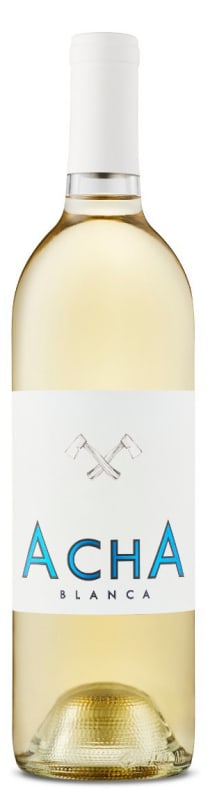


Winemaker Notes


Bright and aromatic with distinctive floral and fruity characteristics, Albariño has enjoyed a surge in popularity and an increase in plantings over the last couple of decades. Thick skins allow it to withstand the humid conditions of its homeland, Rías Baixas, Spain, free of malady, and produce a weighty but fresh white. Somm Secret—Albariño claims dual citizenship in Spain and Portugal. Under the name Alvarinho, it thrives in Portugal’s northwestern Vinho Verde region, which predictably, borders part of Spain’s Rías Baixas.

Responsible for the vast majority of American wine production, if California were a country, it would be the world’s fourth largest wine-producing nation. The state’s diverse terrain and microclimates allow for an incredible range of red wine styles, and unlike tradition-bound Europe, experimentation is more than welcome here. California wineries range from tiny, family-owned boutiques to massive corporations, and price and production are equally varied. Plenty of inexpensive bulk wine is made in the Central Valley area, while Napa Valley is responsible for some of the world’s most prestigious and expensive “cult” wines.
Each American Viticultural Area (AVA) and sub-AVA of has its own distinct personality, allowing California to produce red wine of every fashion: from bone dry to unctuously sweet, still to sparkling, light and fresh to rich and full-bodied. In the Napa Valley, Cabernet Sauvignon, Merlot, Chardonnay and Sauvignon Blanc dominate vineyard acreage. Sonoma County is best known for Chardonnay, Pinot Noir, Cabernet Sauvignon, Rosé and Zinfandel. The Central Coast has carved out a niche with Rhône Blends based on Grenache and Syrah, while Mendocino has found success with cool climate varieties such as Pinot noir, Riesling and Gewürztraminer. With all the diversity that California wine has to offer, any wine lover will find something to get excited about here.