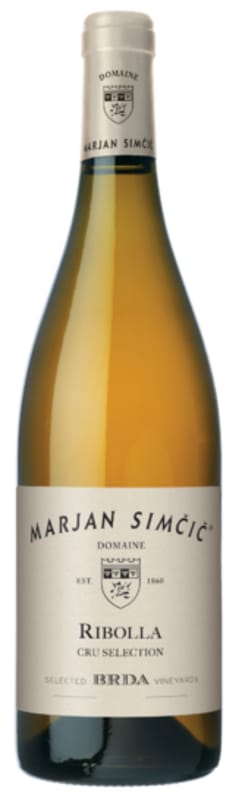


Winemaker Notes
A bright antique gold wine. Complex and inviting on the nose with baked apples, bitter orange zest and Mediterranean herbs. The palate is sapid with salty, saline grip, gently recognizable orange notes, tangerine zest and peach fruit. Notable elegant structure offers excellent complexity, vibrancy, mouth-watering acidity, and a lingering finish. Mineral and very drinkable wine. A long life ahead of it too.
Pair with wild mushroom dishes, walnut-stuffed eggplant, pumpkin ravioli, main dishes with truffles, grilled fish, poultry, and grilled meat.
Professional Ratings
-
James Suckling
A floral, savory and minerally wine with broom flowers, orange blossoms and elegant almonds on the nose. The attack is medium- to full-bodied with weight, an impressive silky texture for a Ribolla and an elderberry finish. Drink or hold.
-
Wine Spectator
Bright straw color with green reflections. The wine opens with aromatics of citrus blossom, ripe yellow fruits, and subtle Mediterranean herbs. The palate offers good texture and depth while maintaining freshness, showing stone fruits and citrus notes backed by mineral undertones. The finish is focused and persistent with characteristic subtle bitter almond notes.
-
Vinous
The 2022 Ribolla Cru Selection opens with a nuanced bouquet of crushed nectarine, lemon oil and wet slate. It is silken in feel with juicy acidity and a vivid mix of ripe yellow apples and a hint of mint. This finishes with medium length and a gentle mineral inflection.


There are hundreds of white grape varieties grown throughout the world. Some are indigenous specialties capable of producing excellent single varietal wines. Each has its own distinct viticultural characteristics, as well as aroma and flavor profiles.

A picturesque, eastern European wine growing nation, Slovenia can claim one of the most ancient winemaking cultures in all of Europe. Its history dates back to the Celts and Illyrians tribes, well before the Romans had any influence on France, Spain or Germany. But it wasn’t until the 1970s that Slovenia developed a more refined, private-sector wine industry.
Today it is a powerful source of some of the industry’s most important orange wines (whites made with extended skin contact); furthermore, fully three quarters of the country’s wine production is white.
Slovenian weather is continental with hot summers and cold, wet winters. It is divided into three wine regions: Podravje in Slovenia’s northeast; Primorska in its west, close to Italy; and Posavje in its southeast. These are further divided to nine wine districts.