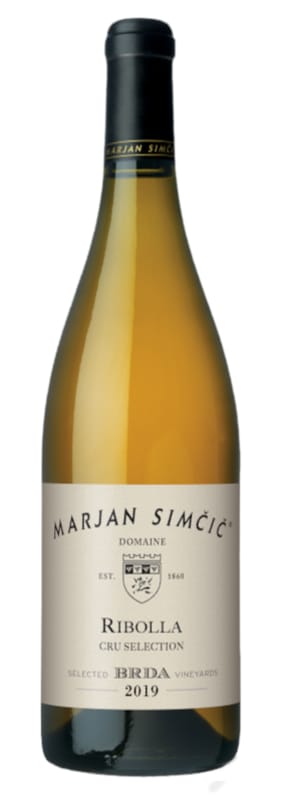


Winemaker Notes
Yellow, straw-colored, with a shade of gold. A complex bouquet, with a fragrant hint of ripe citrus, dried fruit, cedar, buttered toast. Its softness and warmth are pleasantly combined with the chewy structure of a red wine. Long-lasting aftertaste. Mineral and very drinkable wine.
Serve with meat or soup as starters, main dishes with truffles, grilled fish, poultry and cooked meats.
Professional Ratings
-
James Suckling
A rich yet energetic ribolla with dried apples, bitter lemon and some fennel undertones. Then there’s stone and mineral notes. It’s full-bodied, yet creamy and bright with lovely, vivid acidity and just a hint of CO2 to give it verve. Drink or hold.


There are hundreds of white grape varieties grown throughout the world. Some are indigenous specialties capable of producing excellent single varietal wines. Each has its own distinct viticultural characteristics, as well as aroma and flavor profiles.

A picturesque, eastern European wine growing nation, Slovenia can claim one of the most ancient winemaking cultures in all of Europe. Its history dates back to the Celts and Illyrians tribes, well before the Romans had any influence on France, Spain or Germany. But it wasn’t until the 1970s that Slovenia developed a more refined, private-sector wine industry.
Today it is a powerful source of some of the industry’s most important orange wines (whites made with extended skin contact); furthermore, fully three quarters of the country’s wine production is white.
Slovenian weather is continental with hot summers and cold, wet winters. It is divided into three wine regions: Podravje in Slovenia’s northeast; Primorska in its west, close to Italy; and Posavje in its southeast. These are further divided to nine wine districts.