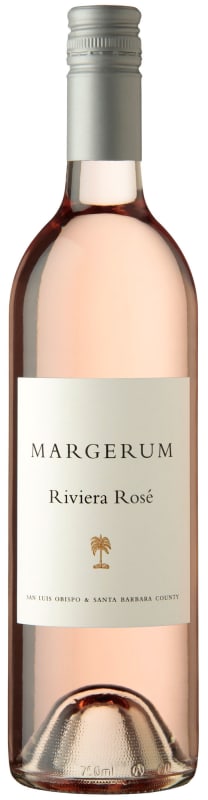


Winemaker Notes
Very light coral, salmon and a whisper of pink. Pretty aromas of fresh strawberries, watermelon and baking spices. Dry, crisp on the palate and very persistent. Fruitiness balanced with a touch of tannin and verve makes this a delicious drinker and a perfect accompaniment to just the right foods.
This wine is crafted from Grenache and Syrah grapes sourced from select vineyards including Margerum Estate at Honea Vineyards in the Los Olivos District AVA; Curtis, Estelle, McGinley, Vie Caprice and Portico vineyards in Santa Barbara County, and Alamo Creek Vineyard in San Luis Obispo County.
Blend: 86% Grenache, 2% Syrah, 9% Cinsault, 2% Syrah/Grenache co-ferment, 1% Mourvèdre
Professional Ratings
-
Wine Enthusiast
Light and almost effervescent in the glass, this popular Grenache-based pink from Doug Margerum offers yeasty, Champagne-like aromas, soft lemon-peel scents and wet slate minerality. The palate's tingling acidity delivers chalky lime and cotton candy flavors, bound together with compelling tension.
Editors' Choice -
Jeb Dunnuck
Margerum has turned out a terrific 2017 Riviera Rose Reserve, which is a barrel-fermented mix of saignee and direct press. This medium-bodied, crisp rose has a touch of reductive character as well as beautiful notes of strawberries, peach, and flowers. It has bright acidity and a clean, dry finish, and is certainly worth seeking out.
-
Wine & Spirits
You might mistake this wine and its transparent strawberry flavors for a Provence rosé, its acidity tart and lemony, the finish savory and saline. One taster likened it to fresh-cut jicama, bringing the wine back to America’s West Coast.

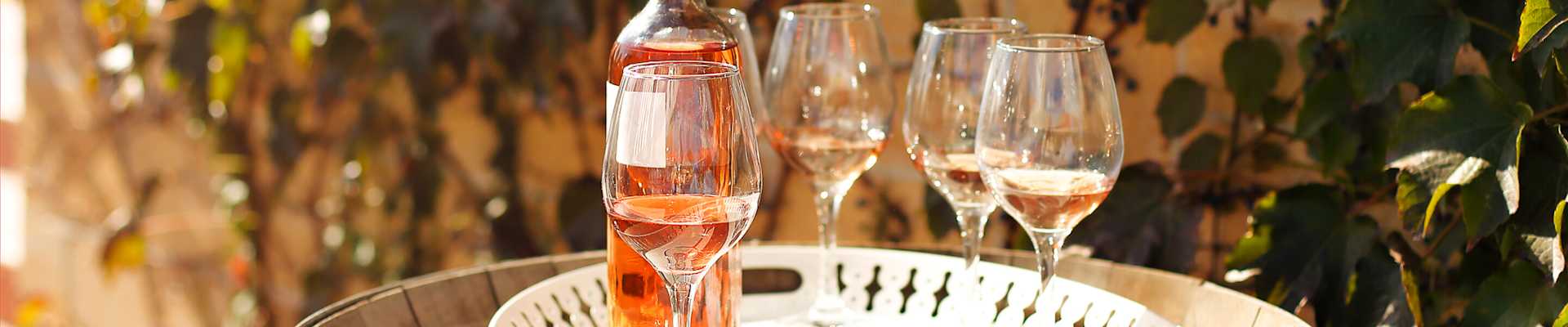
Whether it’s playful and fun or savory and serious, most rosé today is not your grandmother’s White Zinfandel, though that category remains strong. Pink wine has recently become quite trendy, and this time around it’s commonly quite dry. Since the pigment in red wines comes from keeping fermenting juice in contact with the grape skins for an extended period, it follows that a pink wine can be made using just a brief period of skin contact—usually just a couple of days. The resulting color depends on grape variety and winemaking style, ranging from pale salmon to deep magenta.
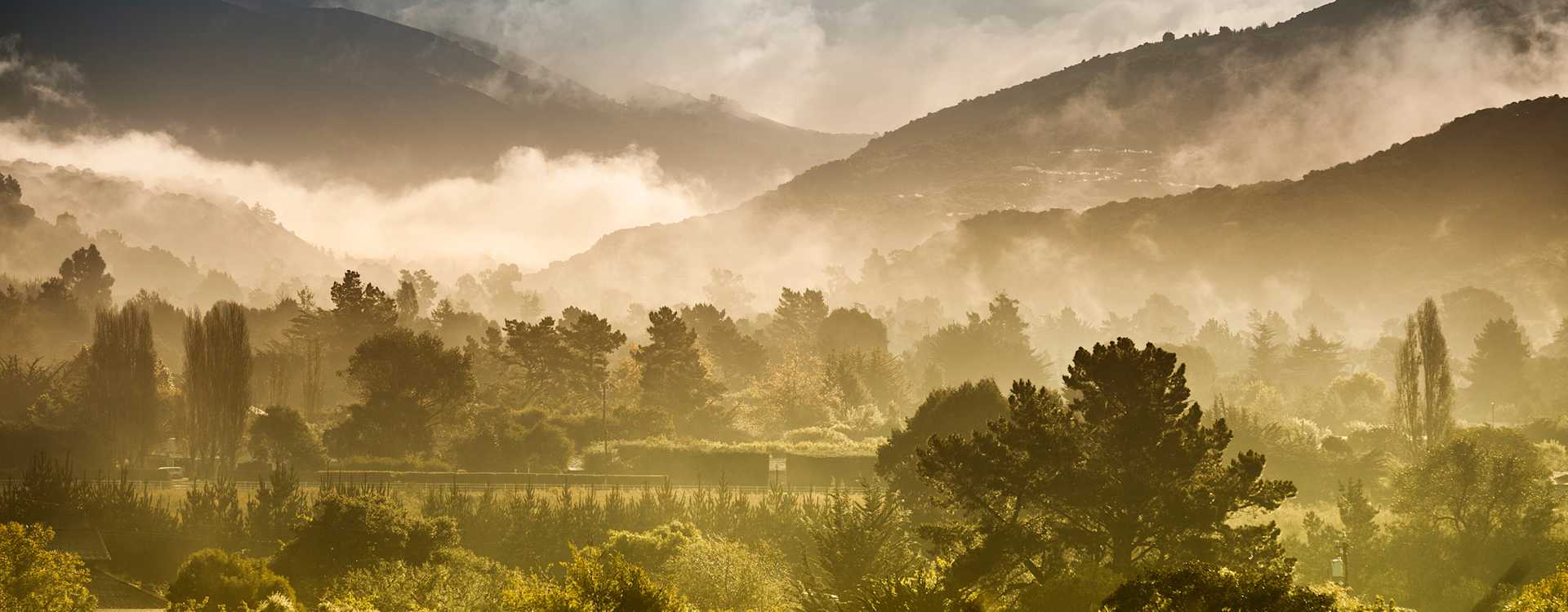
The largest and perhaps most varied of California’s wine-growing regions, the Central Coast produces a good majority of the state's wine. This vast California wine district stretches from San Francisco all the way to Santa Barbara along the coast, and reaches inland nearly all the way to the Central Valley.
Encompassing an extremely diverse array of climates, soil types and wine styles, it contains many smaller sub-AVAs, including San Francisco Bay, Monterey, the Santa Cruz Mountains, Paso Robles, Edna Valley, Santa Ynez Valley and Santa Maria Valley.
While the Central Coast California wine region could probably support almost any major grape varietiy, it is famous for a few Central Coast reds and whites. Pinot Noir, Chardonnay, Cabernet Sauvignon and Zinfandel are among the major ones. The Central Coast is home to many of the state's small, artisanal wineries crafting unique, high-quality wines, as well as larger producers also making exceptional wines.