

Winemaker Notes
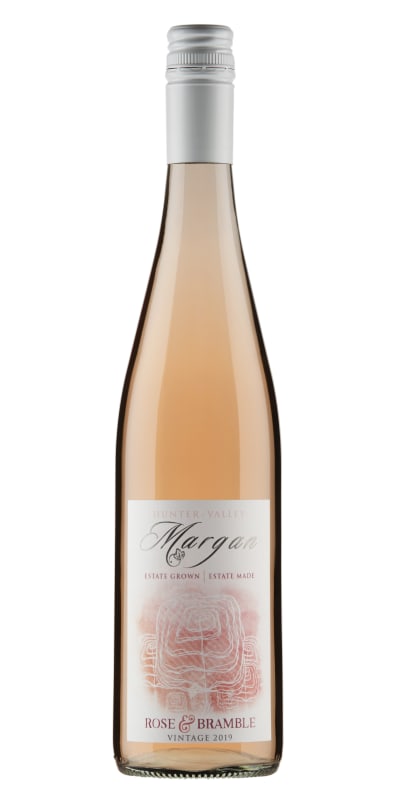
Margan Family Rose and Bramble was made using a combination of varieties and winemaking styles. A blend of Merlot and Barbera picked and pressed off skins immediately to encourage floral aromatics and elegant fruits reminiscent of roses and bramble. A small parcel of skin fermented Pinot Gris provides a textural component to the finished wine. A reflection of the volcanic soils of Broke Fordwich using old vines and an eclectic approach to winemaking has produced a dry wine packed with mouthfeel and fresh fruit.
Professional Ratings
-
James Suckling
Light and bright, watermelon and strawberries, delivered in a very bright, light and juicy style. Crisp and lively.


Whether it’s playful and fun or savory and serious, most rosé today is not your grandmother’s White Zinfandel, though that category remains strong. Pink wine has recently become quite trendy, and this time around it’s commonly quite dry. Since the pigment in red wines comes from keeping fermenting juice in contact with the grape skins for an extended period, it follows that a pink wine can be made using just a brief period of skin contact—usually just a couple of days. The resulting color depends on grape variety and winemaking style, ranging from pale salmon to deep magenta.

Most admired for citrus-driven, mineral-rich and often age-worthy Semillon wines, Hunter Valley is one of Australia’s oldest wine regions and was home to its very first commercial vineyards. The region’s warm summer nights coupled with autumn cloud cover and cool sea breezes allow full ripening and healthy acidity levels for Semillon; its diverse soils of volcanic basalt and white alluvial sands promote the development of Semillon’s delicate aromas. Hunter Valley Semillons can certainly be enjoyed in their youth but with 10 to 20 years in the cellar, the best examples develop intriguing notes of honey, browned butter and roasted nuts.
Chardonnay and Shiraz also do well in Hunter Valley.