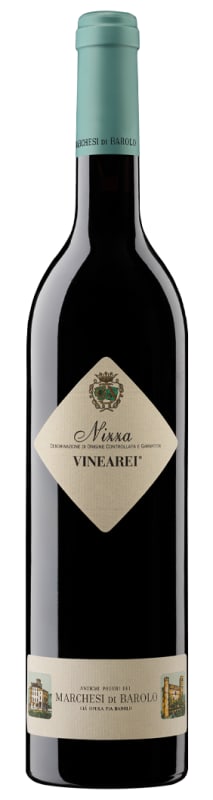


Winemaker Notes
Nizza Vinarei is a wine of great structure and strong flavor impact. The color is a deep red with purplish reflexes. The aroma is complex, with notes of plum and fragrances of berries. A pleasant finish of pastry notes completes its elegant and multi-layered bouquet. The taste is full and embracing, and the strong alcohol structure is supported by a balanced acidity.
Professional Ratings
-
James Suckling
Notes of ripe blackberries and brambles with dark chocolate, licorice and walnut undertones. Full and creamy with succulence and depth to the fruit and a compact tannin structure. Refined and lingering.
-
Wine Spectator
This red is opulent, with a lush texture permeated with cherry, chocolate-raspberry ganache, violet and spice flavors. Silky and harmonious, this strikes a beautiful balance and remains long on the finish. Drink now through 2030.
-
Wine Enthusiast
This wine opens with aromas of black cherry, cassis, wildflowers, and sweet and savory spices. Vibrant and lifted on the palate with a red-fruit-driven palate supported by dried herbs, anise and black tea. The wine finishes with fine tannins and mouth-watering acidity.


Friendly and approachable, Barbera produces wines in a wide range of styles, from youthful, fresh and fruity to serious, structured and age-worthy. Piedmont is the most famous source of Barbera; those from Asti and Alba garner the most praise. Barbera actually can adapt to many climates and enjoys success in some New World regions. Somm Secret—In the past it wasn’t common or even accepted to age Barbera in oak but today both styles—oaked and unoaked—abound and in fact most Piedmontese producers today produce both styles.

Recognized as the source of the best Barbera in all of Italy, Asti is a province (as well as major city) in Piedmont, consisting of a gentle, rolling landscape with vineyards, farmland and forests alternating throughout.
Barbera d’Asti can be made in an array of styles from relatively straightforward, fruity and ready for consumption early, to the more concentrated, oak aged version with an ability to cellar impressively for 10-15 years and beyond. Some of the very best sites for Barbera in Asti are concentrated in the subzone of Nizza Monferrato. Other red varieties grown here include Freisa, Grignolino and Dolcetto, which can be bottled varietally or blended into Barbera.
Historically consumers commonly associated the Asti region with Asti Spumante and Moscato d’Asti, both playful, aromatic, sparkling wines made from the Muscat grape. Asti Spumante is less sweet, fully fizzy and more alcoholic (yet still clocking in at only around 9% alcohol) while Moscato d’Asti is sweeter, gently sparkling (“frizzante”) and closer to 5 or 6% alcohol. Each is produced in stainless steel tanks to preserve the fresh and fruity flavors of the grape, often including peach, apricot, lychee and rose petal. Asti is also the spot for the pink-hued Brachetto d'Acqui, a slightly sparkling wine ready to charm with its raspberry and rose flavors and aromas.