

Winemaker Notes
A 10-acre single vineyard in the Langhe district of Piedmont
Grape Varieties
100% Dolcetto
Vinification
A brief fermentation is initiated as the cap is punched down, to facilitate extraction of color. The wine is held in Marchesi di Barolo's cellars until the September following harvest, after which it is bottled and released.
Color
Deep purple with violet reflections
Bouquet
Fresh and youthful with floral scents
Taste
Youthful, full of seductive fruit, and well-balanced, with a pleasing hint of almond on the finish
Serving Suggestions
Perfect with appetizers, cheeses, salmon, tuna or swordfish, white meat and poultry main courses. Can be served lightly chilled (about 15 minutes in the refrigerator)

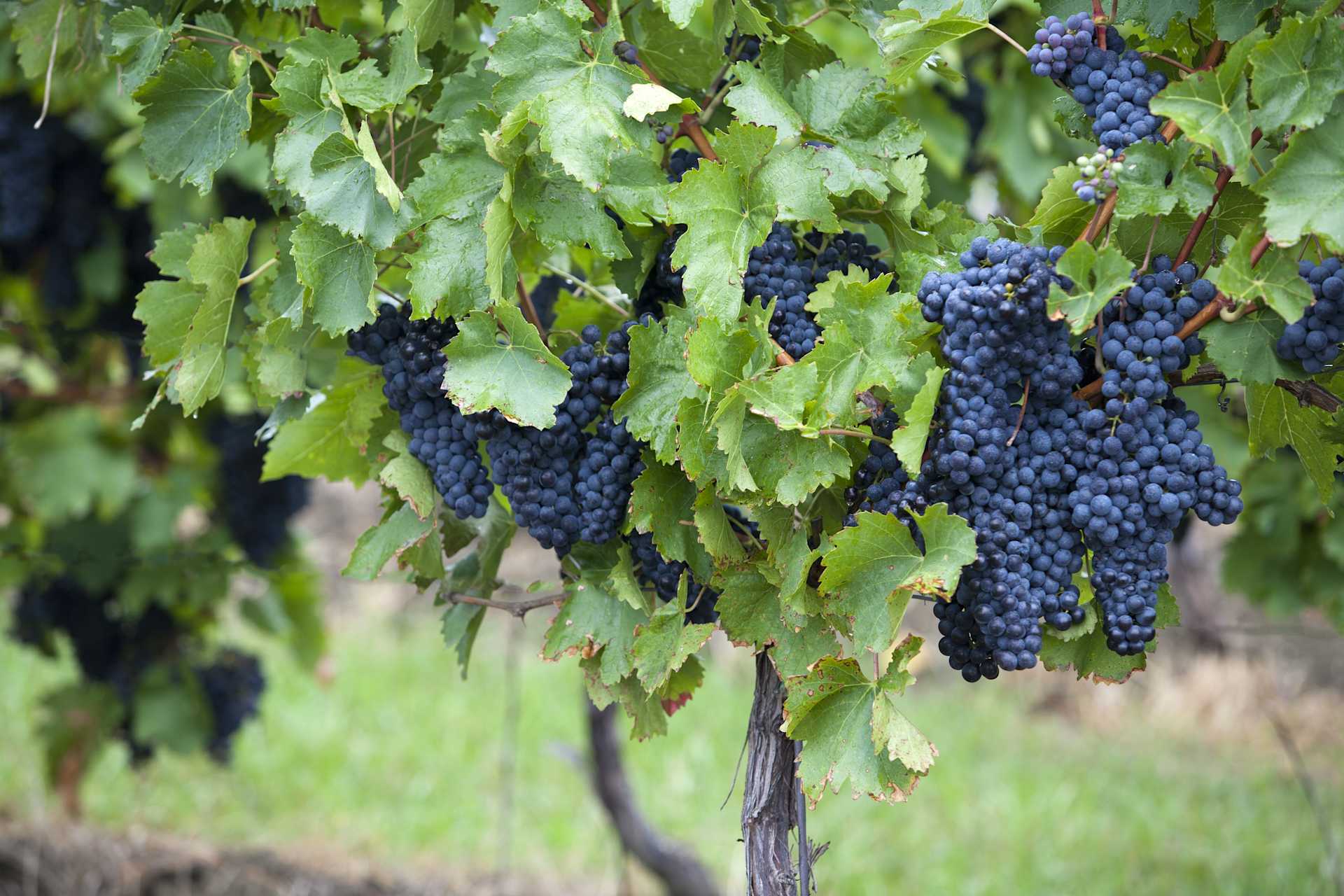
An easy drinking red with soft fruity flavors—but catchy tannins, Dolcetto is often enjoyed in its native Piedmont on a casual weekday night, or for apertivo (the canonical Piedmontese pre-dinner appetizer hour). Somm Secret—In most of Piedmont, easy-ripening Dolcetto is relegated to the secondary sites—the best of which are reserved for the king variety: Nebbiolo. However, in the Dogliani zone it is the star of the show, and makes a more serious style of Dolcetto, many of which can improve with cellar time.

An historic village situated right in between the famous regions of Barolo and Barbaresco, Alba is also the name for the larger wine region surrounding the village.
In a sense, “Alba” is a catch-all phrase, and includes the declassified Nebbiolo wines made in Barolo and Barbaresco, as well as the Nebbiolo grown just outside of these regions’ borders. In fact, Nebbiolo d’Alba is a softer, less tannic and more fruit-forward wine ready to drink within just a couple years of bottling. It is a great place to start if you want to begin to understand the grape. Likewise, the even broader category of Langhe Nebbiolo offers approachable and value-driven options as well.
Barbera, planted alongside Nebbiolo in the surrounding hills, and referred to as Barbera d’Alba, takes on a more powerful and concentrated personality compared to its counterparts in Asti.
Dolcetto is ubiquitous here and, known as Dolcetto d'Alba, can be found casually served alongside antipasti on the tables of Alba’s cafes and wine bars.
Not surprisingly, given its location, Alba is recognized as one of Italy’s premiere culinary destinations and is the home of the fall truffle fair, which attracts visitors from worldwide every year.