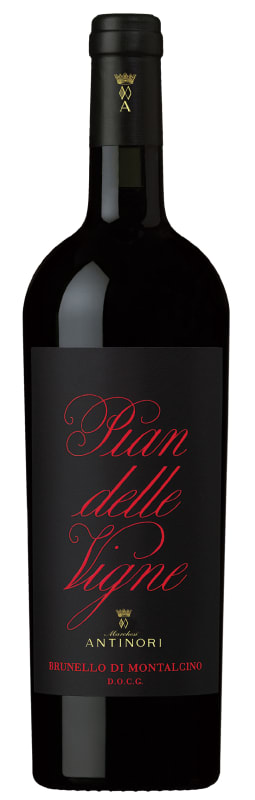


Winemaker Notes
Professional Ratings
-
James Suckling
Sweet black cherries with some blackberries, as well as cherry blossom in both the nose and palate. Medium to full body with firm tannins and a chewy finish, but it will soften and come together nicely with bottle age.
-
Jeb Dunnuck
A rich ruby color, the 2019 Brunello Di Montalcino is ripe and floral with aromas of sweet cherries, mocha, candied flowers, and mossy earth. Medium to full-bodied, it brings snappy fresh acidity along with ripe tannins, a clean finish, and a touch of smoky incense on the back palate. Its grip hangs on a bit, but it’s relatively approachable and will do well over the coming 10-12 years.
-
Vinous
The 2019 Brunello di Montalcino opens with a dark and brooding bouquet that mixes plum sauce with dark chocolate and espresso beans. This blends velvety textures with ripe red and black fruits all over a core of juicy acidity while maintaining a lifted and energetic feel. The 2019 finishes structured and long yet still relatively fresh. Orange-tinged blackberry and savory herbs linger. I am very impressed by the palate performance and tannin management of the 2019, yet I wish the winery would push for an equally fresh display on the nose. That said, fans of the Pian delle Vigne style will love the energy in this wine.
-
Wine Spectator
Iron and sanguine aromas and flavors define this muscular red, while plum cherry, menthol and tar notes join in on the chewy and expansive finish. Balanced on the side of the tannins for now, with fine length. Best from 2027 through 2042.





The Antinori family has been committed to the art of winemaking for over six centuries since 1385 when Giovanni di Piero Antinori became a member of the "Arte Fiorentina dei Vinattieri," the Florentine Winemaker’s Guild. All throughout its history, twenty-six generations long, the Antinori family has managed the business directly making innovative and sometimes bold decisions while upholding the utmost respect for traditions and the environment.
Today, Albiera Antinori is the president of Marchesi Antinori with the continuous close support of her two sisters, Allegra and Alessia, all actively involved in first person in the business. Their father, Marchese Piero Antinori, is the current Honorary President of the company. Tradition, passion, and intuition are the three driving forces that led Marchesi Antinori to establish itself as one of the most important winemakers of elite Italian wine. The company is one of the Founding Members of the "Associazione Marchi Storici d’Italia," an association for the protection, support and promotion of Italian historical brands.
The family’s historical heritage lies in their estates in Tuscany and Umbria, however over the years they have invested in many other areas, both in Italy and abroad, well known for producing high quality wine, opening new opportunities to appreciate and develop unique new terroirs with great winemaking potential. Each vintage, each plot of land, each new idea to be advanced is a new beginning, a new pursuit for achieving higher quality standards. As Marchese Piero loves to say "Ancient family roots play an important part in our philosophy but they have never hindered our innovative spirit."

Among Italy's elite red grape varieties, Sangiovese has the perfect intersection of bright red fruit and savory earthiness and is responsible for the best red wines of Tuscany. While it is best known as the chief component of Chianti, it is also the main grape in Vino Nobile di Montepulciano and reaches the height of its power and intensity in the complex, long-lived Brunello di Montalcino. Somm Secret—Sangiovese doubles under the alias, Nielluccio, on the French island of Corsica where it produces distinctly floral and refreshing reds and rosés.

Famous for its bold, layered and long-lived red, Brunello di Montalcino, the town of Montalcino is about 70 miles south of Florence, and has a warmer and drier climate than that of its neighbor, Chianti. The Sangiovese grape is king here, as it is in Chianti, but Montalcino has its own clone called Brunello.
The Brunello vineyards of Montalcino blanket the rolling hills surrounding the village and fan out at various elevations, creating the potential for Brunello wines expressing different styles. From the valleys, where deeper deposits of clay are found, come wines typically bolder, more concentrated and rich in opulent black fruit. The hillside vineyards produce wines more concentrated in red fruits and floral aromas; these sites reach up to over 1,600 feet and have shallow soils of rocks and shale.
Brunello di Montalcino by law must be aged a minimum of four years, including two years in barrel before realease and once released, typically needs more time in bottle for its drinking potential to be fully reached. The good news is that Montalcino makes a “baby brother” version. The wines called Rosso di Montalcino are often made from younger vines, aged for about a year before release, offer extraordinary values and are ready to drink young.