


Winemaker Notes
Field blend of Alsatian varieties. A very steep slope, south facing. Bedrock of fertile, water-retentive, iridescent Keuper marl covered by light layers of sandstone soil and gypsum. Heaviest soils of the crus. Planted between 1952 and 1982. 8,00012,000 vines per ha. Indigenous yeast. Very slow, whole-cluster pressing for up to 12 hours. Fermented and aged in large ancient foudres for 12 months. Certified biodynamic.
Professional Ratings
-
James Suckling
Super fresh for three years of age, the floral-honey and beeswax aromas are very enticing. This is so cool and tightly-wound for the warm and sometimes overblown vintage. Pretty dry, the hint of natural grape sweetness is almost completely obscured by the profound, wet-stone minerality. Enormously concentrated and totally focused finish. A co-fermented field-blend of varieties. From organically grown grapes. Drink or hold.
-
Robert Parker's Wine Advocate
The golden-colored 2017 Grand Cru Schoenenbourg is pure, deep and intense on the nose that reveals clove as well as blood orange or Cointreau aromas and almond notes. On the palate, this is a very intense, rich and complex, elegant and refined Schoenenbourg with quite a lot of sugar, grip and tannin tension but also salinity and great promises. Bottled with 13.4% stated alcohol and 28 grams per liter of residual sugar. Natural cork. Rating: 95+
-
Wine Enthusiast
An intense but sophisticated nose has restrained notes of pear, lychee and vanilla. In the mouth, this wine is round and smooth, with pleasing weight on the tongue. Sweet lychee notes are met with refreshing lemon acidity. An off-dry finish has wonderful reed notes that support that intriguing hint of vanilla. This wine could go just as well with duck breast as with an apple tart. Keep it on hand for dinner parties.
-
Wine & Spirits
A famed hillside in Riquewihr, this south-facing mixed planting grows in light sandstone top soils over clay-rich, fertile gypsum marls. Deiss believes it is his longest-lived wine and it does take days to show itself. Impacted at first, perfumed with scents of apricots, peach skin and a nutty character, this wine shows its stamina as it stretches out while maintaining a seamless integration. As the richness and flavors progress, that integration makes it feel silken and remarkably easy to drink. In the end, the wine conjured more thoughts about what to eat with it (a Comté grilledcheese sandwich with onion jam…chicken Cordon Bleu…) than how to describe its incandescent taste.
-
Wine Spectator
A lovely nose of petrol and spice leads to glazed apple and tangerine fruit flavor with accents of chamomile, graphite and dried mint. This deftly knits well-honed acidity to the silky and succulent, off-dry profile. Riesling, Pinot Gris, Gewürztraminer and Muscat.

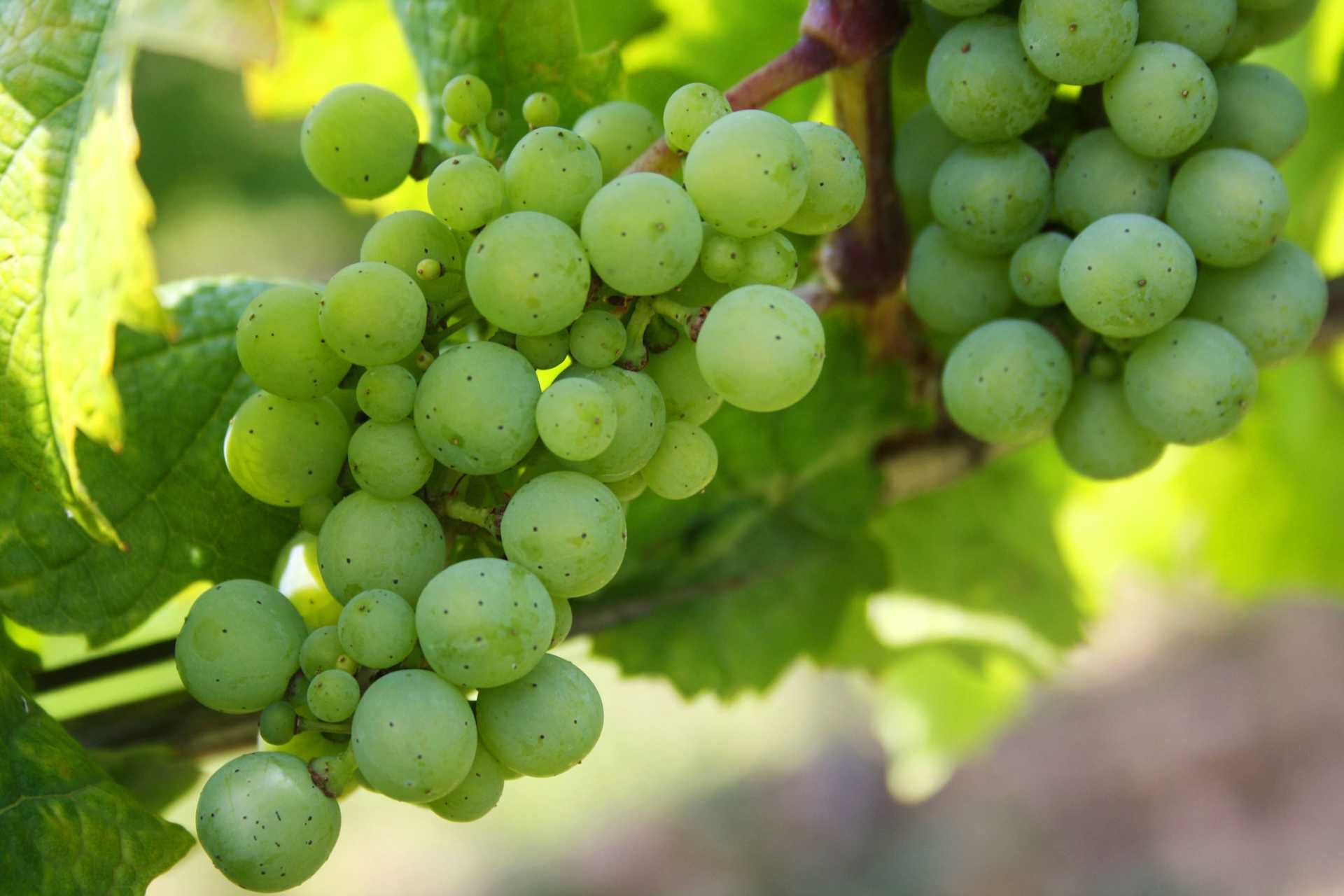
With hundreds of white grape varieties to choose from, winemakers have the freedom to create a virtually endless assortment of blended white wines. In many European regions, strict laws are in place determining the set of varieties that may be used in white wine blends, but in the New World, experimentation is permitted and encouraged. Blending can be utilized to enhance balance or create complexity, lending different layers of flavors and aromas. For example, a variety that creates a soft and full-bodied white wine blend, like Chardonnay, would do well combined with one that is more fragrant and naturally high in acidity. Sometimes small amounts of a particular variety are added to boost color or aromatics. Blending can take place before or after fermentation, with the latter, more popular option giving more control to the winemaker over the final qualities of the wine.

Small but mighty, this picturesque region in northeastern France is renowned for its white wines produced by passionate families whose winemaking roots span generations and even centuries. Nestled between the Vosges Mountains and the Rhine River, Alsace benefits from a sunny, dry climate and a long growing season. It is one of the most geologically diverse regions in the world — one of the many reasons why Alsace rocks!
Alsace wines include dry, mineral-driven Riesling, earthy Pinot Gris, refreshing Pinot Blanc, exuberant Gewurztraminer, elegant Pinot Noir, and more. From traditional-method sparkling wines to easy-drinking AOC Alsace, to complex Grand Cru bottlings from 51 distinct sites, and rich, late harvest wines, Alsace produces a wine for every occasion. Most Alsace wines are single-varietal bottlings and are labeled with the grape name. The region is also one of the greenest wine-producing areas in France, with 36% of its vineyard area certified organic.
Riesling, the region’s calling card, is dry, fresh and floral in its youth, developing complex mineral and flint character with age. Gewurztraminer is known for its signature spice and lychee aromatics. Pinot Gris is prized for its combination of crisp acidity and savory spice as well as ripe stone fruit flavors. Pinot Blanc is an affable food partner or porch sipper. Pinot Noir, the only red grape in AOC Alsace, is now authorized in three Grand Cru areas and is also used for Crémant d’Alsace sparkling rosé. Any bottle you choose will offer deliciousness, pleasure and value that is unprecedented in other wine regions.