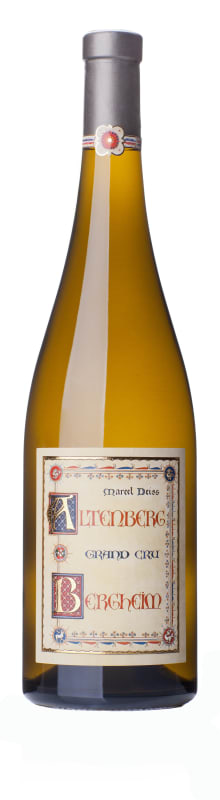


Winemaker Notes
Certified biodynamic. Field blend of Alsatian varieties. South facing steep slope. Bedrock of limestone with layers of pink sandstone. Mixture of marl with fossils and soil that has iron-rich clay with rocks. Planted between 1977 and 1997. 8,000-12,000 vines per ha. Indigenous yeast. Very slow, whole-cluster pressing for up to 12 hours. Fermented and aged in large ancient foudres for 12 months.
Professional Ratings
-
James Suckling
I love the directness and purity of this exception to the Alsace rules! The best vintages of this wine always had a touch of noble sweetness and this is no exception. Stunning apricot - fresh and dried - aroma with exotic overtones. Then comes the super concentrated palate that remains so straight and focused, the interplay of fruit and minerality very seductive. Stunningly complex finish. A co-fermented field-blend of varieties. Drink or hold.
-
Robert Parker's Wine Advocate
The dark-golden colored 2017 Grand Cru Altenberg exhibits an enormously rich and complex, spicy bouquet of dried and stewed apricots combined with the purity and precision of the terroir as well as some caramel notes. On the palate, this is a rich yet fresh, pure and finely bitter/tannic Altenberg that has some features of the 2019 in terms of fruit and elegance but also the tannins and bitters of the 2018. Natural cork. Rating: 94+
-
Wine Enthusiast
Lychee meets dill and eucalyptus on a fragrant nose with just a hint of petrol. This sweet wine is refreshing, thanks to herbaceous notes, sunny acidity and a relatively light body. The medium-length finish carries a mineral note. All of these factors come together into a sweet wine perfect for pairing with savory dishes. Try alongside drunken noodles or Thai green curry to cut the food’s heat and add complementary flavors.
-
Wine & Spirits
This mix of traditional varieties is planted at the confluence of several fault lines, where fossil-rich limestone meets iron-rich clays. The wine starts out tense and goes electric, with the layered scent of wildflower honey and the light tannins of briny green olives. The texture is generous against the bitter notes of blood-orange rind. Compellingly delicious.

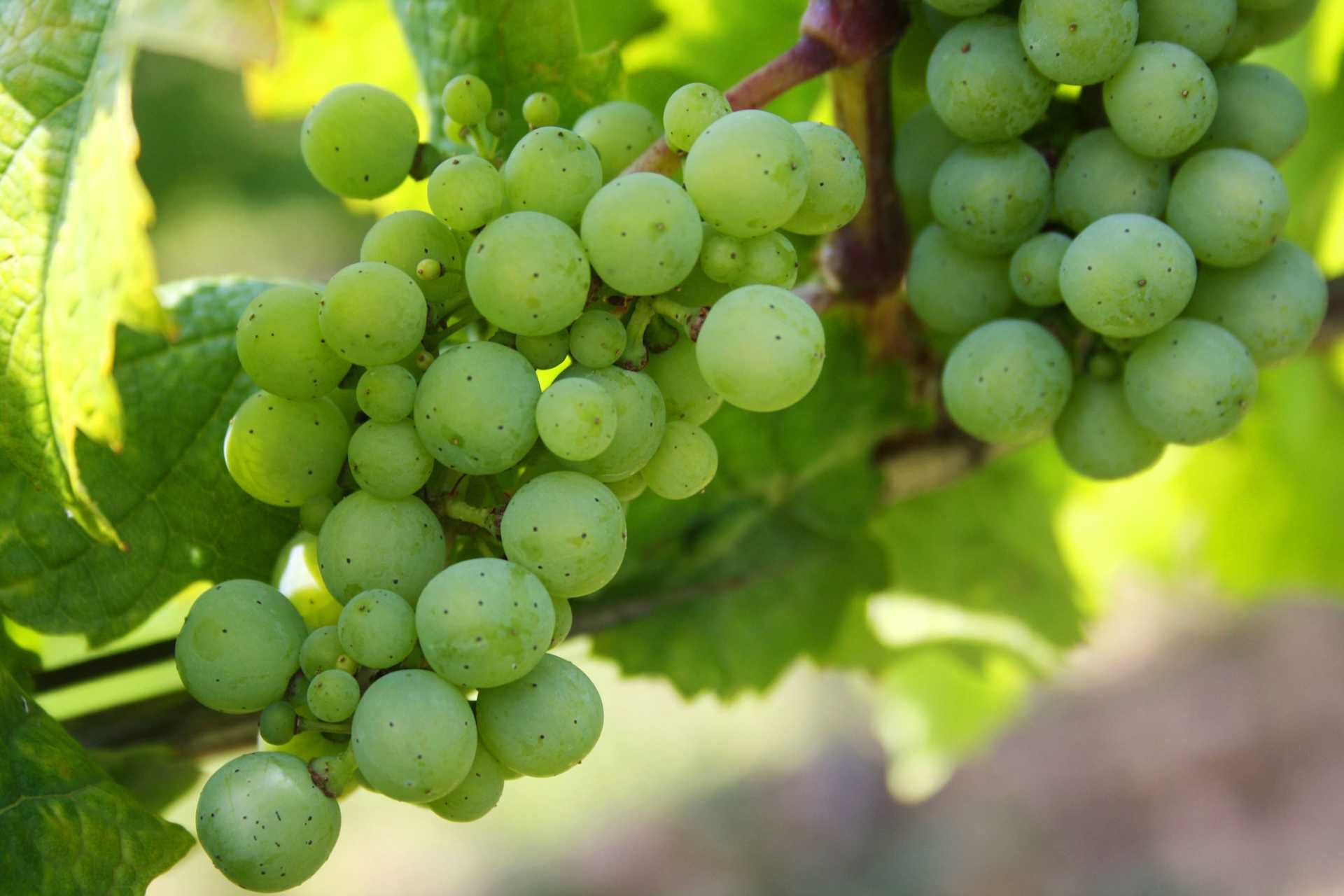
With hundreds of white grape varieties to choose from, winemakers have the freedom to create a virtually endless assortment of blended white wines. In many European regions, strict laws are in place determining the set of varieties that may be used in white wine blends, but in the New World, experimentation is permitted and encouraged. Blending can be utilized to enhance balance or create complexity, lending different layers of flavors and aromas. For example, a variety that creates a soft and full-bodied white wine blend, like Chardonnay, would do well combined with one that is more fragrant and naturally high in acidity. Sometimes small amounts of a particular variety are added to boost color or aromatics. Blending can take place before or after fermentation, with the latter, more popular option giving more control to the winemaker over the final qualities of the wine.

Small but mighty, this picturesque region in northeastern France is renowned for its white wines produced by passionate families whose winemaking roots span generations and even centuries. Nestled between the Vosges Mountains and the Rhine River, Alsace benefits from a sunny, dry climate and a long growing season. It is one of the most geologically diverse regions in the world — one of the many reasons why Alsace rocks!
Alsace wines include dry, mineral-driven Riesling, earthy Pinot Gris, refreshing Pinot Blanc, exuberant Gewurztraminer, elegant Pinot Noir, and more. From traditional-method sparkling wines to easy-drinking AOC Alsace, to complex Grand Cru bottlings from 51 distinct sites, and rich, late harvest wines, Alsace produces a wine for every occasion. Most Alsace wines are single-varietal bottlings and are labeled with the grape name. The region is also one of the greenest wine-producing areas in France, with 36% of its vineyard area certified organic.
Riesling, the region’s calling card, is dry, fresh and floral in its youth, developing complex mineral and flint character with age. Gewurztraminer is known for its signature spice and lychee aromatics. Pinot Gris is prized for its combination of crisp acidity and savory spice as well as ripe stone fruit flavors. Pinot Blanc is an affable food partner or porch sipper. Pinot Noir, the only red grape in AOC Alsace, is now authorized in three Grand Cru areas and is also used for Crémant d’Alsace sparkling rosé. Any bottle you choose will offer deliciousness, pleasure and value that is unprecedented in other wine regions.