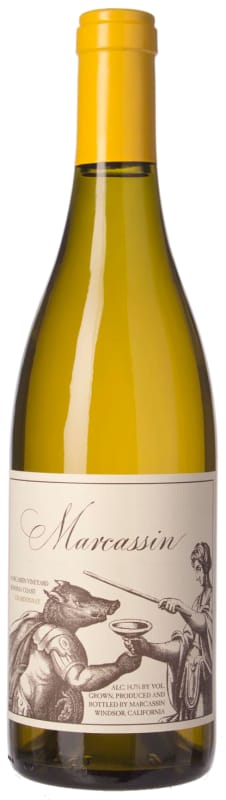


Winemaker Notes
Professional Ratings
-
Robert Parker's Wine Advocate
A staggering Chardonnay that’s still an infant, the light yellow/green/gold 2007 offers up notes of unbuttered popcorn, orange liqueur, lemon butter, quince and crushed rocks. It possesses terrific underlying acidity, a full-bodied mouthfeel and a youthfulness and freshness that suggest this wine has two decades of life ahead of it. This majestic Chardonnay seems more French than Californian, but again, this reflects the significance of the labor of these two overachieving, push-the-envelope visionaries. What California viticulture and high-class, minimalist winemaking can achieve is exhibited in bold fashion by this 2007.
Rating: 99+ -
Wine Spectator
This white moves gracefully from primary flavors of peach and citrus to a broader range of charred oak, mineral, and even a scent of butterscotch. Smooth, deep and rich, the attractive charred oak quality lingers, as this reverberates on the finish. Drink now through 2020.


One of the most popular and versatile white wine grapes, Chardonnay offers a wide range of flavors and styles depending on where it is grown and how it is made. While it tends to flourish in most environments, Chardonnay from its Burgundian homeland produces some of the most remarkable and longest lived examples. California produces both oaky, buttery styles and leaner, European-inspired wines. Somm Secret—The Burgundian subregion of Chablis, while typically using older oak barrels, produces a bright style similar to the unoaked style. Anyone who doesn't like oaky Chardonnay would likely enjoy Chablis.

A vast appellation covering Sonoma County’s Pacific coastline, the Sonoma Coast AVA runs all the way from the Mendocino County border, south to the San Pablo Bay. The region can actually be divided into two sections—the actual coastal vineyards, marked by marine soils, cool temperatures and saline ocean breezes—and the warmer, drier vineyards further inland, which are still heavily influenced by the Pacific but not quite with same intensity.
Contained within the appellation are the much smaller Fort Ross-Seaview and Petaluma Gap AVAs.
The Sonoma Coast is highly regarded for elegant Pinot Noir, Chardonnay, and, increasingly, cool-climate Syrah. The wines have high acidity, moderate alcohol, firm tannin, and balanced ripeness.