


Winemaker Notes
This classic and refreshing Vinho Verde features a bright and fruity character with apple, citrus, and pear notes. With just the right amount of effervescence and a medium length finish is a perennial favorite.
Great as an aperitif or with appetizers, shellfish, vegetarian dishes, or snacks. More specific pairings include green salads with goat cheese and herbs, caprese of tomatoes, and mozzarella or grilled vegetables.
Professional Ratings
-
Wilfred Wong of Wine.com
The 2025 Mapreco VINHO VERDE shows a clear color with a very light green tint; evocative aromas of an early morning forest after a drizzle rise from the glass; medium-bodied, it is quick and easy on the palate with a touch of sweetness, leading to a bright apple-tinged finish—best enjoyed with a simple Portuguese dish like bacalhau à Brás, where the wine’s freshness and light sweetness complement the salty cod, eggs, and crisp potatoes with effortless charm. (Tasted: April 14, 2026, San Francisco, CA)

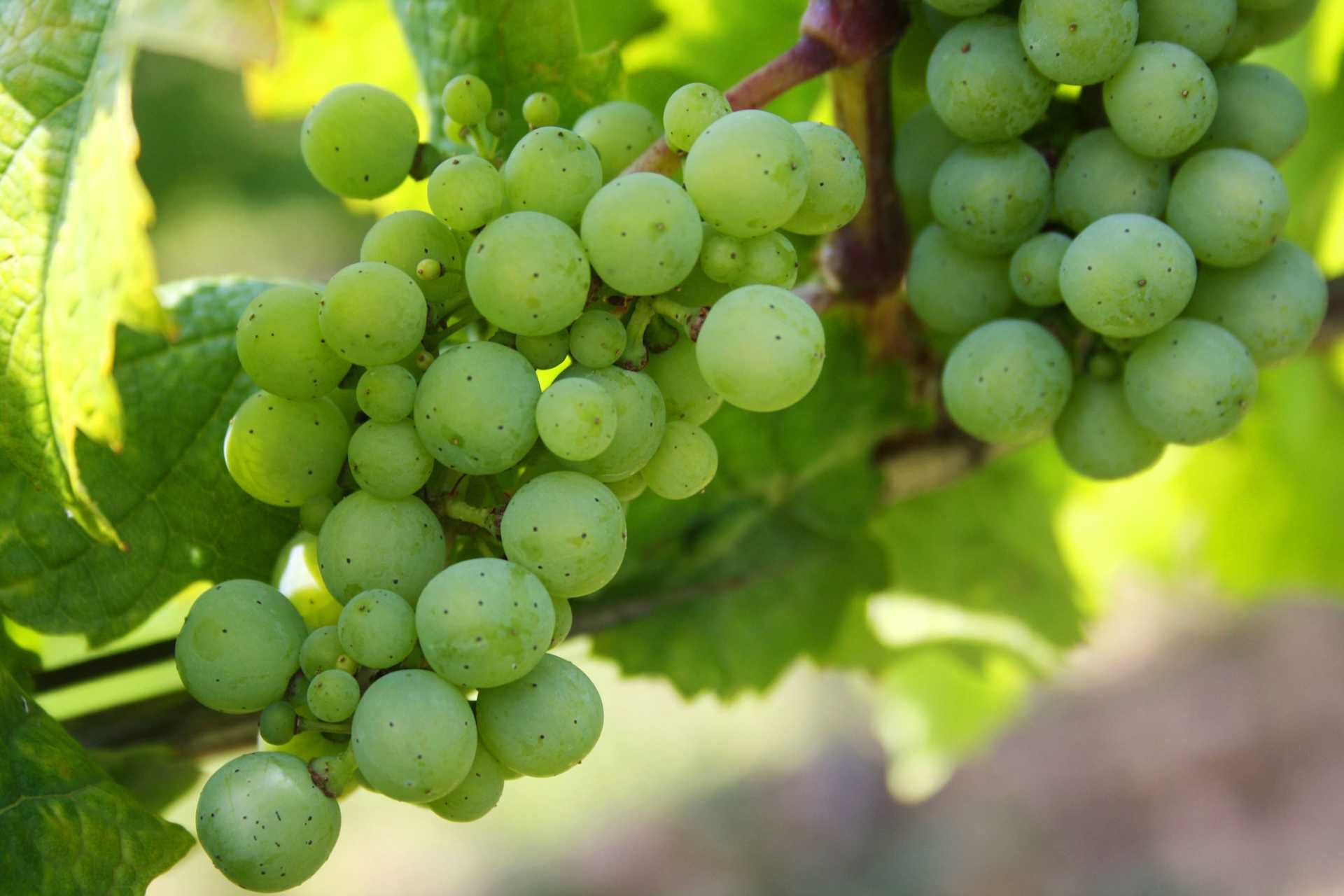
With hundreds of white grape varieties to choose from, winemakers have the freedom to create a virtually endless assortment of blended white wines. In many European regions, strict laws are in place determining the set of varieties that may be used in white wine blends, but in the New World, experimentation is permitted and encouraged. Blending can be utilized to enhance balance or create complexity, lending different layers of flavors and aromas. For example, a variety that creates a soft and full-bodied white wine blend, like Chardonnay, would do well combined with one that is more fragrant and naturally high in acidity. Sometimes small amounts of a particular variety are added to boost color or aromatics. Blending can take place before or after fermentation, with the latter, more popular option giving more control to the winemaker over the final qualities of the wine.

A cheerful, translucid, lemon-yellow and slightly pétillant white wine, Vinho Verde literally means ‘green wine’ and is named after the northwest Portugese region from which it originates. The ‘green’ in the name refers to the youthful state in which the wines are customarily released and consumed, not the color of the wine.
It is typically a blend of various percentages of Alvarinho, Loureiro, Trajadura, and Pedernã (Arinto). Following initial alcoholic fermentation, a natural, secondary malolactic conversion in cask produces carbon dioxide, giving Vinho Verde its charmingly light sparkle.