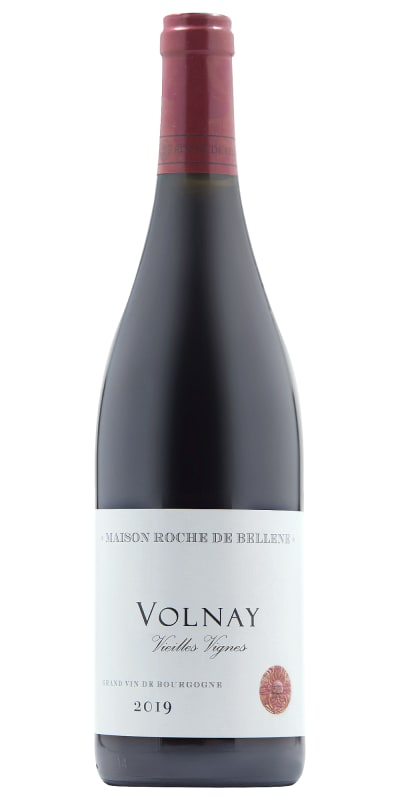


Winemaker Notes
A pure, dark fruit wine from this highly regarded village in the Côte de Beaune, which lies between Pommard and Meursault. There is an extra dimension of richness from the very old vines, which were planted in 1934, and naturally produce a smaller, more concentrated crop. The wine spends 15 months in barrel, with 20% new oak.
Professional Ratings
-
Wine Enthusiast
Enticing whiffs of sweet spice, licorice, cassis and charred earth introduce this fruit-forward yet nuanced village-level Volnay. It’s a ripe, black-cherried wine with mouth filling heft but balanced by sunny raspberry acidity and touches of mint, bramble and graphite on the finish. This pillowy wine is ready now.
-
Wilfred Wong of Wine.com
COMMENTARY: 2019 Maison de Bellene Volnay Vieilles Vignes is lovely and elegant. TASTING NOTES: This wine shows delightful aromas and flavors of bright strawberries. Enjoy it with grilled, wild-caught salmon. (Tasted: June 14, 2021, San Francisco, CA)


Thin-skinned, finicky and temperamental, Pinot Noir is also one of the most rewarding grapes to grow and remains a labor of love for some of the greatest vignerons in Burgundy. Fairly adaptable but highly reflective of the environment in which it is grown, Pinot Noir prefers a cool climate and requires low yields to achieve high quality. Outside of France, outstanding examples come from in Oregon, California and throughout specific locations in wine-producing world. Somm Secret—André Tchelistcheff, California’s most influential post-Prohibition winemaker decidedly stayed away from the grape, claiming “God made Cabernet. The Devil made Pinot Noir.”

On the hillsides between Pommard and Meursault, Volnay is one of two villages in the Côte de Beaune of Burgundy that is recognized for its extraordinary Pinot Noir. Pommard is the other; the rest of the villages are most known for some of the most exceptional Chardonnay in the world. While Volnay Pinot Noir tends to be light in color and more delicate than that of Pommard, they typically stand on par with each other in regards to quality and demand.
Volnay can’t claim any Grands Crus vineyards but more than half of it has achieved Premier Cru status. Volnay Premiers Crus vineyards stretch across the entire village from northeast to southwest, abutting and actually falling “into” Meursault. Where they merge is a vineyard called Les Santenots. Pinot Noir grows in this Meursault Premier Cru but since that village is most associated with stellar whites, the Pinot Noir from Les Santenots, takes the name Volnay Santenots. Immediately above it are Volnay’s other prized Premier Cru, Le Cailleret, Champans, Clos des Chênes and Le Cailleret.
Volnay Pinot Noir are earthy with red or blue fruit. Aromas such as smoke, herbs, forest, cocoa and spice are common and on the palate they are gorgeous and concentrated with finesse but won’t truly charm you without some age.