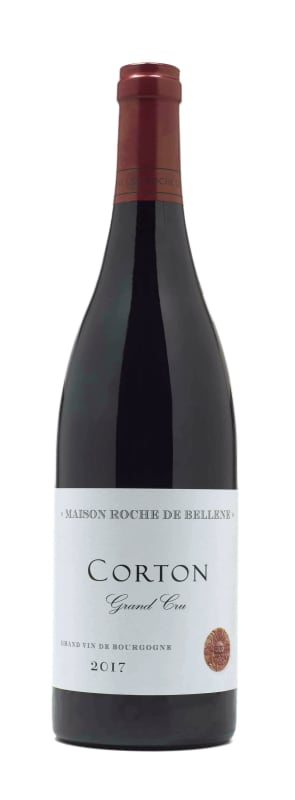


Winemaker Notes
This is a serious style of Corton. A blend of three vineyard sites: Bressandes, Clos du Roi and Les Grands Lolieres. Dark garnet color, deep, brooding aromas of black cherry, balsam, black tea and moist earth. Dense core of black fruits - plums, blueberries, cherries - with a layer of Asian spice and fresh minerality. Being a Grand Cru, this wine begs for a decade in the cellar. That being said, with proper decanting several hours before service, this opens up and makes for a perfect match with braised lamb, roast duck or a juicy steak with sautéed mushrooms.
Professional Ratings
-
Wine & Spirits
Nicolas Potel makes this from a parcel of 30-year-old vines, facing east-southeast on the Corton hill. He ferments it with ambient yeasts and ages it in barrels, half of them new. That new oak brings a fine grain to the tannins without blocking their red-fruited essence. The wine tastes like the meaty flesh of a dark cherry along with the mineral skins of the fruit. Those notes layer into the earthiness of blue foot mushrooms to create a luxurious, savory grand-cru wine with stature and youthful intensity.
-
Wine Spectator
A big, brooding red, exhibiting smoky black cherry, plum, earth and iron flavors. Intense and long, with youthful exuberance that a few years in the bottle should tame and integrate. Best from 2023 through 2040.
-
Wilfred Wong of Wine.com
COMMENTARY: The 2017 Roche de Bellene Corton Grand Cru offers elegance with plenty of richness. TASTING NOTES: This wine is bright from start to finish. Pair its powerful aromas and flavors of red fruit, leaves, and earth with a duck salad. (Tasted: April 29, 2019, San Francisco, CA)


Thin-skinned, finicky and temperamental, Pinot Noir is also one of the most rewarding grapes to grow and remains a labor of love for some of the greatest vignerons in Burgundy. Fairly adaptable but highly reflective of the environment in which it is grown, Pinot Noir prefers a cool climate and requires low yields to achieve high quality. Outside of France, outstanding examples come from in Oregon, California and throughout specific locations in wine-producing world. Somm Secret—André Tchelistcheff, California’s most influential post-Prohibition winemaker decidedly stayed away from the grape, claiming “God made Cabernet. The Devil made Pinot Noir.”

Prevailing over the charming village of Aloxe, the hill of Corton actually commands the entire appellation. Corton is the only Grand Cru for Pinot Noir in the entire Côte de Beaune. Its Grand Crus red wines can be described simply as “Corton” or Corton hyphenated with other names. These vineyards cover the southeast face of the hill of Corton where soils are rich in red chalk, clay and marl.
Dense and austere when young, the best Corton Pinot Noir will peak in complexity and flavor after about a decade, offering some of the best rewards in cellaring among Côte de Beaune reds. Pommard and Volnay offer similar potential.
The great whites of the village are made within Corton-Charlemagne, a cooler, narrow band of vineyards at the top of the hill that descends west towards the village of Pernand-Vergelesses. Here the thin and white stony soils produce Chardonnay of exceptional character, power and finesse. A minimum of five years in bottle is suggested but some can be amazing long after. Fully half of Aloxe-Corton is considered Grand Cru.